
In today’s dynamic laboratory environment, biosafety challenges are at the forefront of the healthcare industry. Laboratories face increased pressure to maintain stringent sterilization workflows while ensuring the safety of samples and personnel. In Anchorage, the adoption of innovative sterilization techniques is transforming the way laboratories approach contamination control.
The Need for Advanced Sterilization Solutions
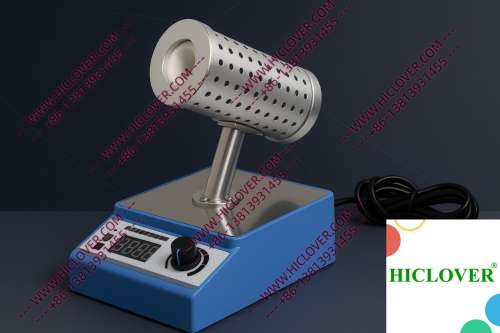
Traditional flame sterilizers, such as alcohol lamps and Bunsen burners, have been staples in laboratory sterilization for generations. However, these methods come with inherent risks, including the potential for flame accidents and the difficulty of maintaining a clean workspace, especially in sensitive environments like BSL-2 and BSL-3 labs. The move towards safer, more efficient alternatives has led to the rise of infrared inoculating loop sterilizers, such as the Micro Incinerator.
Technical Principles of Micro Incinerators
The Micro Incinerator operates on the principle of rapid thermal sterilization using infrared heat. Its enclosed ceramic tube design allows for high-temperature disinfection while preventing exposure to open flames. This equipment heats its ceramic chamber to temperatures exceeding 800°C, effectively sterilizing inoculating loops within seconds. Unlike traditional methods, the Micro Incinerator’s compact size and ease of use make it ideal for a variety of laboratory settings.
Benefits Over Traditional Flame Sterilizers
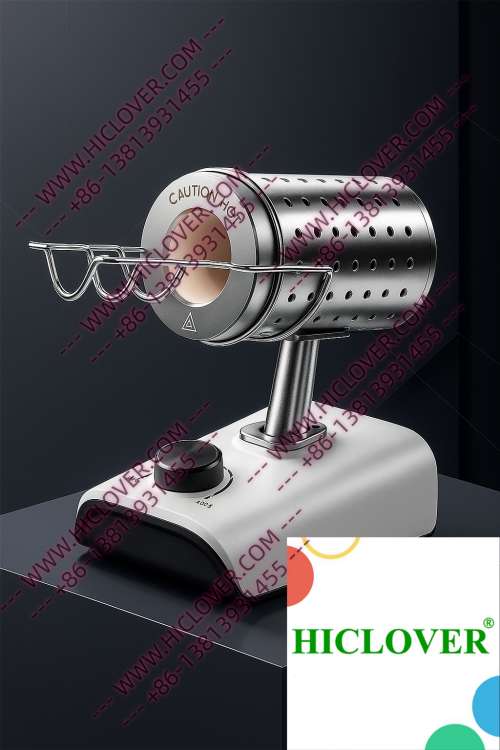
- Safety: Eliminates open flames, reducing the risk of fire-related incidents.
- Efficiency: Quick sterilization cycles allow for higher throughput.
- Cleanliness: Maintains a cleaner working environment by reducing aerosolized contaminants.
- Versatility: Suitable for use in diverse settings, from clinical diagnostics to teaching labs.
Real-World Applications of Micro Incinerators
Micro Incinerators are making headway in different laboratory environments in Anchorage. Here are a couple of notable application scenarios:
1. Clinical Diagnostics Labs
In clinical diagnostic laboratories, the need for rapid and effective sterilization methods is critical. The sterile handling of samples is essential not only to protect the integrity of results but also to comply with WHO biosafety regulations. Using Micro Incinerators in biosafety cabinets allows technicians to rapidly sterilize inoculating loops without the risk of cross-contamination, enhancing both efficiency and safety in sample processing.
2. University Teaching Labs
In educational settings, the Micro Incinerator is proving invaluable. University laboratories that train future scientists use this equipment to safely demonstrate sterilization techniques. Students learn to operate the Micro Incinerator with minimal supervision, which reduces risks associated with flame-based methods. This approach reinforces safety protocols while providing hands-on experience in proper sterilization techniques.
Compliance with Laboratory Standards
The importance of compliance with laboratory standards cannot be overstated. The WHO emphasizes the necessity of maintaining strict biosafety protocols, particularly in microbiology laboratories. Additionally, the prohibition of open flames in certain clean room settings makes the Micro Incinerator an essential tool for ensuring compliance with both local and international guidelines.
Comparison of Sterilization Methods
| Feature | Micro Incinerator | Flame Sterilizers |
|---|---|---|
| Source of Heat | Infrared | Open flame |
| Speed of Sterilization | Seconds | Variable |
| Safety | High | Lower |
| Use in Clean Rooms | Yes | No |
| Maintenance | Low | Medium to High |
FAQs on Micro Incinerators and Sterilization Techniques
What are the core advantages of using a Micro Incinerator over traditional flame sterilizers?
The Micro Incinerator offers enhanced safety, efficiency, and compliance with biosafety protocols by eliminating the open flame and providing rapid thermal sterilization.
Can the Micro Incinerator be used in BSL-2 and BSL-3 labs?
Yes, the Micro Incinerator is designed for use in BSL-2 and BSL-3 laboratories where strict contamination control is required.
How does the Micro Incinerator handle aerosol-free operation?
The enclosed design of the Micro Incinerator prevents aerosol generation, ensuring that the workspace remains uncontaminated.
Is training required to operate the Micro Incinerator?
While the Micro Incinerator is user-friendly, basic training is recommended to ensure proper operational procedures and safety protocols are followed.
Where can I purchase micro incinerators for my laboratory in Anchorage?
Micro Incinerators are available through various laboratory supply distributors in Anchorage and online. Contacting local suppliers or manufacturers is advisable for the best options and support.
Conclusion
As healthcare needs in Anchorage continue to evolve, innovative sterilization techniques like the Micro Incinerator are becoming indispensable in laboratories. With proven efficiency and safety, they address contemporary challenges while aligning with regulatory compliance. For laboratories striving for excellence in sterilization, investing in a Micro Incinerator is not only a step towards enhanced biosafety but also a commitment to supporting a culture of safety and efficacy. Reach out today to learn more about how the Micro Incinerator can elevate your sterilization workflow.
Categories:
Tags: