
In the realm of laboratory operations, the need for effective sterilization is paramount. Biosafety challenges, such as contamination control in sensitive environments, necessitate rigorous workflows to ensure the safety of laboratory personnel and the integrity of research outcomes. Traditional flame-based sterilization methods, including alcohol lamps and Bunsen burners, pose risks such as open flames in clean rooms and potential aerosol generation. Consequently, innovative solutions like micro incinerators have emerged as essential components in the modern laboratory landscape, offering enhanced safety and efficiency.
Revolutionizing Sterilization with Micro Incinerators
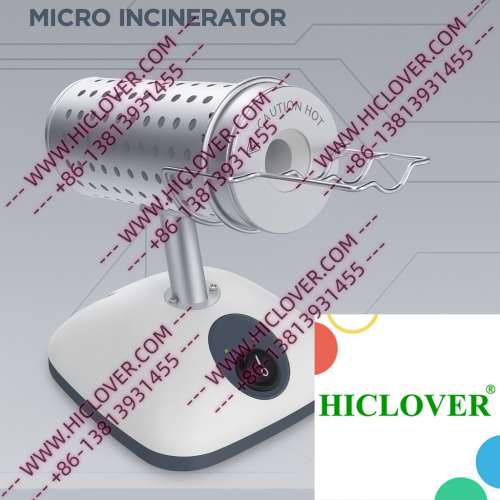
The Micro Incinerator or Infrared Inoculating Loop Sterilizer operates on the principle of infrared heat transfer. This technology employs a ceramic heating chamber within an enclosed tube, providing rapid thermal sterilization without the risks associated with an open flame. This unique configuration ensures thorough disinfection of inoculating loops and other tools essential for laboratory procedures.
Advantages Over Traditional Flame Sterilizers
| Feature | Micro Incinerator | Flame Burners |
|---|---|---|
| Safety | No open flames; reduced risk of contamination. | Open flames contribute to contamination risk. |
| Efficiency | Rapid thermal sterilization in less than 10 seconds. | Longer sterilization time; less predictable outcomes. |
| Clean Room Compatibility | Designed for use without aerosol generation. | Aerosol production can compromise clean environments. |
| Versatility | Suitable for a variety of laboratory settings. | Limited to specific use cases. |
Application Scenarios in Real Labs
Biosafety Cabinet Compliance
In BSL-2 or BSL-3 microbiology labs, maintaining a sterile environment is critical. The Micro Incinerator can be effortlessly integrated into biosafety cabinets (BSC), where researchers can safely sterilize inoculating loops without the risk of disturbing sterilized surfaces or generating aerosols. This enables more efficient workflows in a contained environment, essential for working with pathogenic microorganisms.
University Teaching Labs
Educational institutions, particularly those with life sciences programs, benefit greatly from incorporating micro incinerators into their laboratory teaching facilities. These devices not only streamline the teaching process by allowing students to focus on hands-on experience with sterilization techniques but also ensure that safety standards are met. Students can responsibly handle sterilization processes without the dangers associated with flame-based methods, fostering a safer learning environment.
Compliance and Environmental Considerations
Adhering to WHO biosafety standards and laboratory sterilization protocols is essential for research facilities. The Micro Incinerator supports compliance efforts by eliminating flames in clean rooms, thus reducing ignition risks and minimizing contamination possibilities. Furthermore, their compact design and energy efficiency offer eco-friendly alternatives compared to larger incineration setups or traditional methods, aligning with Saudi Arabia’s environmental goals.
By utilizing advanced sterilization solutions like micro incinerators, laboratories can enhance safety measures, maintain regulatory compliance, and contribute to sustainable practices in research and development.
FAQs
- What is the main advantage of using a micro incinerator? The primary advantage is enhanced safety without the use of open flames, which significantly reduces contamination risk.
- How quickly can a micro incinerator sterilize instruments? It can achieve rapid thermal sterilization in less than 10 seconds, making it highly efficient.
- Are micro incinerators suitable for all laboratory types? Yes, they are versatile enough for various settings, including clinical diagnostics and educational labs.
- Do micro incinerators comply with international safety standards? Yes, they meet WHO biosafety standards and other regulatory requirements.
- Can micro incinerators be used in field testing laboratories? Absolutely, their portability and ease of use make them ideal for mobile labs.
Conclusion
As laboratories in Saudi Arabia continue to evolve, the adoption of innovative technologies like micro incinerators is pivotal for ensuring safety and efficiency. Whether it’s enhancing sterilization workflows in teaching labs or powering through challenges in BSL-3 settings, micro incinerators are transforming how researchers approach contamination control. For laboratories looking to upgrade their sterilization protocols, investing in a micro incinerator is a forward-thinking choice that will dramatically enhance laboratory safety and operational efficacy.
If you’re interested in exploring micro incinerators for your laboratory needs, please contact us today for more information and to discover how these state-of-the-art sterilizers can benefit you.