
The modern laboratory faces various biosafety challenges, particularly in maintaining a sterile environment for research and clinical diagnostics. With increasing attention on contamination control and rapid sterilization processes, the need for efficient sterilization tools is more critical than ever. Traditional flame sterilizers, such as alcohol lamps and Bunsen burners, may pose certain risks, while modern innovations like the Micro Incinerator or Infrared Inoculating Loop Sterilizer offer compelling advantages. This article delves into the technological principles behind micro incinerators, their applications in laboratory settings, and the compliance standards they meet, particularly in India.
Technical Principles Behind Micro Incinerator Technology
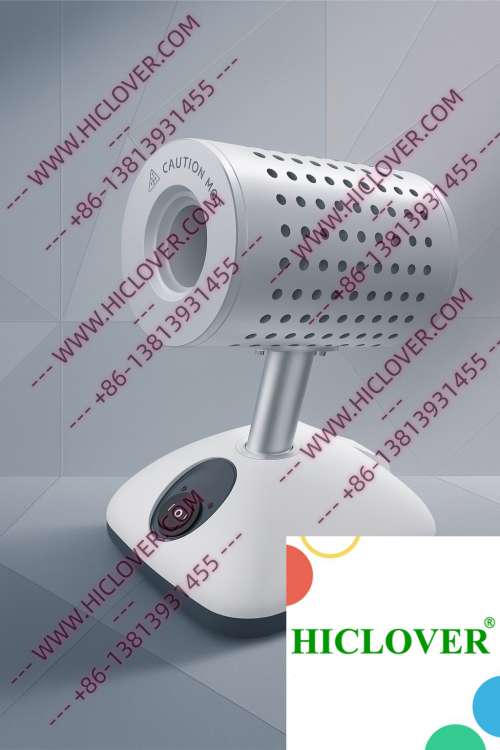
The Micro Incinerator operates on the principle of infrared heat sterilization within a contained environment. Unlike traditional methods that can sometimes introduce aerosols and safety risks, this sterilizer harnesses a high-temperature ceramic heating chamber. The enclosed ceramic tube generates an intense, uniform heat that achieves rapid thermal sterilization for tools and inoculating loops. With a typical operating temperature reaching up to 800°C, the Micro Incinerator provides a flame-free, clean-bench-safe solution for sterile handling of cultures and laboratory equipment.
Applications in Laboratory Settings
1. Biosafety Cabinets
Micro Incinerators are extensively used within biosafety cabinets in BSL-2 and BSL-3 microbiology labs. In these environments, controlling contamination risks is paramount. The flameless operation of the micro incinerator significantly enhances biosafety by eliminating the possibility of flammable vapors that traditional flames might introduce. Users can efficiently sterilize their tools while working in a protected environment, ensuring compliance with strict biosafety protocols.
2. Field Testing and Mobile Labs
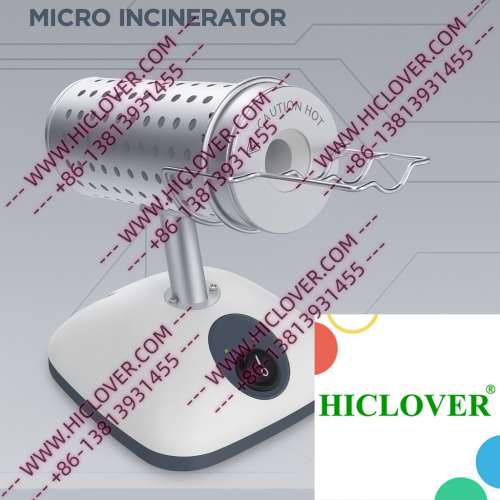
Another compelling application is in mobile and field testing laboratories, particularly in remote areas where access to clean utilities may be limited. The lightweight and durable nature of the Micro Incinerator allows researchers to perform sterilization on-site without the need for electrical connections or combustible materials. This enhances operations in developing regions of India, where sterilization equipment is critical for public health initiatives and research activities.
Compliance and Environmental Standards
Micro Incinerators play an important role in meeting international biosafety standards, such as WHO recommendations for laboratory practices and sterilization methods. Utilizing infrared high-temperature disinfection aligns with contemporary lab sterilization standards, making it an eco-friendly option. The complete combustion and ash-free residue of the incinerator ensures minimal environmental impact, compliant with waste management regulations prevalent in urban Indian sectors.
Advantages Over Traditional Flame Sterilizers
Given the shifting focus toward advanced laboratory equipment, the advantages of Micro Incinerators become evident when compared to traditional flame sterilizers:
| Features | Micro Incinerator | Flame Burners |
|---|---|---|
| Temperature Control | Up to 800°C, quick heating | Variable, slower to heat |
| Safety | Flame-free operation, reduced aerosols | Open flame, risk of burns |
| Ease of Use | Simplified, minimal physical effort | Requires active management and supervision |
| Environmental Impact | Minimal waste with clean combustion | Potentially produces toxic fumes |
FAQs
- What is the main advantage of using a Micro Incinerator in laboratories?
The main advantage is its ability to achieve rapid thermal sterilization in a safe, enclosed system, eliminating contamination risks associated with open flames. - Can Micro Incinerators be used in BSL-2 labs?
Yes, Micro Incinerators are ideal for BSL-2 and BSL-3 labs due to their safety and efficiency in sterilizing tools without the risk of flammable vapors. - How does the Micro Incinerator ensure compliance with lab sterilization standards?
It meets international sterility requirements, including those set by the WHO, through its efficient and high-temperature sterilization method. - Is it suitable for field testing purposes?
Absolutely! Its portable design makes it a practical solution for mobile labs working in remote or underserved areas. - Are there any specific maintenance requirements for Micro Incinerators?
Regular cleaning of the ceramic chamber is necessary to maintain optimal performance and ensure longevity.
Transforming Laboratory Efficiency and Safety
The integration of Micro Incinerators in laboratory workflows not only enhances biosafety but also optimizes operational efficiency. With their rapid sterilization capabilities and minimal environmental impact, they stand as a significant advancement over traditional flame sterilizers. Furthermore, they address specific challenges faced by Indian households and institutions by providing effective waste management solutions through safe disposal processes.
Conclusion
As laboratories transition towards more efficient and safer sterilization methods, Micro Incinerator technology emerges as a frontrunner. Its ability to foster a sterile environment while ensuring compliance with stringent biosafety regulations makes it an invaluable tool in modern laboratories. For those interested in enhancing their lab’s operational efficacy and safety, pursuing a Micro Incinerator might just be the game-changer you need. Don’t hesitate to reach out for more information or to explore purchasing options that suit your laboratory needs.
Categories:
Tags: