
Laboratory biosafety challenges are prevalent in today’s research and clinical environments, particularly in the handling and sterilization of hazardous materials. Maintaining stringent sterilization protocols is crucial for preventing contamination and ensuring the integrity of research outcomes. As the UAE continues to advance its environmental objectives, innovative equipment like the Micro Incinerator and Infrared Inoculating Loop Sterilizer is gaining traction as an essential solution.
Understanding Micro Incinerators and Their Technical Principles
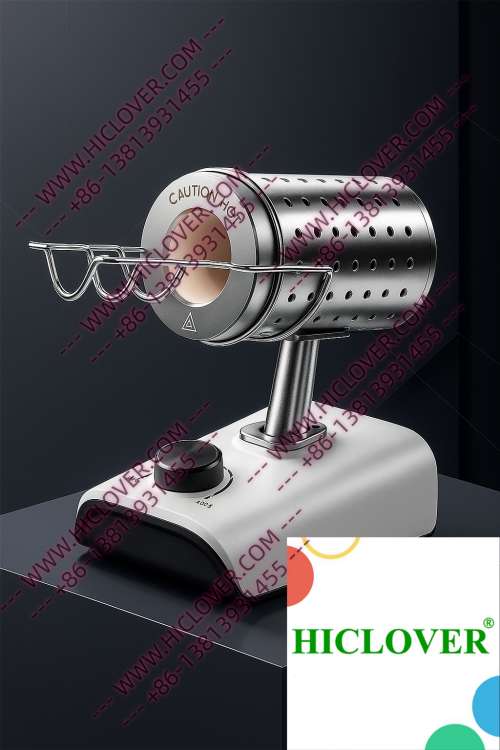
Micro Incinerators, or Infrared Inoculating Loop Sterilizers, operate on the principle of rapid thermal sterilization. Unlike traditional flame sources such as alcohol lamps or Bunsen burners, these devices utilize a sealed ceramic heating chamber that generates infrared heat to achieve high-temperature disinfection efficiently. The enclosed design significantly reduces the risk of aerosol production, a critical consideration in high-biosafety labs.
- Rapid Thermal Sterilization: Achieves sterilization in seconds.
- Enclosed Ceramic Tube: Minimizes contamination risks, supporting a clean and safe working environment.
- No Flame Operation: Ensures operational safety, especially in clean rooms and BSL-2/BSL-3 facilities.
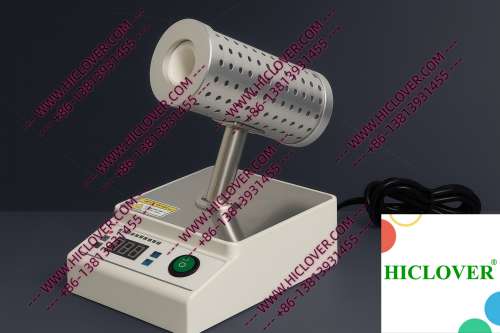
Applications of Micro Incinerators in Laboratory Settings
Micro Incinerators find numerous applications across various laboratory settings, enhancing sterile workflows and ensuring compliance with safety standards. Here are two prominent use cases:
1. Biosafety Cabinet Operations
In BSL-2 and BSL-3 microbiology labs, where the risk of exposure to pathogens is significant, the Micro Incinerator acts as an indispensable tool for sterilizing inoculating loops and needles. Placed within biosafety cabinets, these sterilizers provide a safe environment for the rapid disinfection of tools without the risk of flame. This capability is particularly relevant for laboratories engaged in the culturing of infectious agents.
2. Field Testing and Mobile Labs
In the context of field testing and mobile laboratories, the compact size and portability of Micro Incinerators make them ideal for use in varied locations outside traditional lab environments. Whether conducting environmental analyses in remote areas or clinical diagnostics in disaster-stricken zones, these sterilizers ensure that researchers can maintain biosafety protocols effectively.
Compliance and Environmental Impact
Compliance with global standards, such as WHO biosafety protocols and lab sterilization requirements, is crucial for any laboratory operation. The use of Micro Incinerators aligns with best practices that mandate the elimination of flame in clean rooms. Their ability to achieve high-temperature disinfection without producing aerosols safeguards the surrounding environment while ensuring compliance with the ISO 9001 quality management standards.
Moreover, as the UAE aims to progress towards sustainable waste management, integrating micro incinerators contributes positively by reducing biological waste volume. This not only promotes better waste management practices but also supports national environmental goals.
Advantages of Micro Incinerators Over Traditional Flame Burners
When comparing Micro Incinerators to conventional flame sterilizers, several key advantages emerge:
| Feature | Micro Incinerator | Traditional Flame Burners |
|---|---|---|
| Heating Mechanism | Infrared heat within a ceramic chamber | Open flame (alcohol/Bunsen) |
| Safety | No risk of fire or exposure to flames | High fire risk, especially in clean rooms |
| Speed | Direct and rapid sterilization in seconds | Varies, often longer due to setup |
| Contamination Control | Enclosed design prevents aerosol generation | Aerosol risk inherent in flame use |
Frequently Asked Questions (FAQs)
- What is a Micro Incinerator?
A Micro Incinerator is a sterilization device that uses infrared heat to safely and effectively sterilize laboratory tools without flames.
- How does it improve biosafety in laboratories?
Its closed heating chamber minimizes contamination risks and eliminates aerosol generation, making it safer for use in sensitive environments.
- Can Micro Incinerators be used in field conditions?
Yes, their compact design makes them suitable for mobile laboratory setups and field testing scenarios.
- What are the advantages over traditional flame sterilization methods?
Micro Incinerators offer rapid, flame-free sterilization, enhanced safety, and reduced contamination risks.
- Is there any specific maintenance required?
Micro Incinerators require minimal maintenance, primarily focusing on cleaning the ceramic tube for optimal performance.
Conclusion
As laboratories in the UAE adapt to evolving environmental goals and biosafety protocols, Micro Incinerators emerge as a pioneering solution that seamlessly integrates safety, efficiency, and compliance. Whether in clinical diagnostics, university settings, or mobile field operations, these units provide unparalleled advantages over traditional flame methods, reinforcing the drive towards sustainable practices. For inquiries or to explore purchasing options, feel free to reach out and discover how Micro Incinerators can transform your laboratory workflows.
Categories:
Tags: