
In modern laboratory environments, particularly in hospitals and research facilities, biosafety challenges are increasingly prominent. Effective sterilization workflows are critical for preventing contamination and ensuring the safety of both laboratory personnel and patients. One of the most significant advancements to arise in this context is the implementation of micro incinerators, specifically the Micro Incinerator / Infrared Inoculating Loop Sterilizer. This innovative equipment not only streamlines sterilization processes but also ensures compliance with rigorous biosafety standards.
Understanding the Technology Behind Micro Incinerators
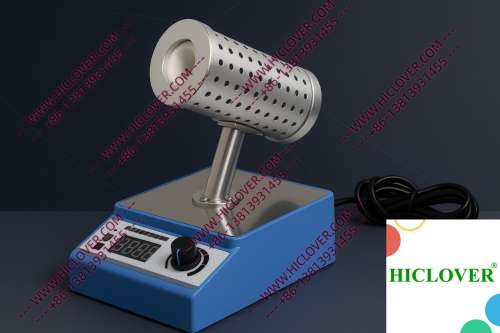
The Micro Incinerator operates on the principle of rapid thermal sterilization through an enclosed ceramic tube. By utilizing infrared heat, the device generates high temperatures quickly, making it an efficient alternative to traditional flame sterilizers, such as alcohol lamps and Bunsen burners.
This modern sterilization device eliminates open flames, reducing the risk of burns and contamination in clean bench environments. The infrared heating technology ensures even heat distribution, promoting thorough disinfection of inoculating loops, needles, and other laboratory instruments. With a compact design, it is suitable for various laboratory settings, including clinical diagnostics and teaching labs.
Application Scenarios in Laboratory Settings
1. Biosafety Cabinets for Enhanced Safety
In BSL-2 and BSL-3 microbiology labs, using a Micro Incinerator within biosafety cabinets provides an expertly controlled environment for sterilization. The absence of flames dramatically lowers the risk of igniting hazardous materials, making it vital for safe operations. A study on biosafety practices highlighted that integrating the Micro Incinerator into sterilization protocols led to a significant reduction in potential hazards, thereby elevating safety standards.
2. Field Testing Labs for Mobile Sterilization
Mobile or field testing labs often face logistical challenges regarding sterilization, especially when working in remote locations. The Micro Incinerator’s battery-operated features allow for aerosol-free handling, enabling reliable sterilization even in areas with limited resources. This application is particularly useful for agencies engaged in environmental monitoring or infectious disease control, ensuring that equipment remains free from contaminants during testing processes.
Compliance and Environmental Considerations
Biosafety and compliance are paramount in laboratory management. The World Health Organization (WHO) outlines strict guidelines concerning sterilization equipment in laboratories, especially concerning infection control in healthcare settings. The Micro Incinerator exceeds many of these compliance benchmarks by eliminating open flames, which are prohibited in clean rooms due to their potential to produce aerosols and contaminants.
Furthermore, the device operates on low energy consumption compared to traditional flame burners, enhancing sustainability. Labs adopting this technology contribute to a reduced carbon footprint, aligning with global initiatives to minimize environmental impact.
Comparison Between Micro Incinerators and Traditional Flame Sterilizers
| Feature | Micro Incinerator | Traditional Flame Sterilizers |
|---|---|---|
| Safety | Flame-free; reduces risk of burns and contamination | Open flame; higher risk of burns |
| Efficiency | Rapid thermal sterilization | Slower heat-up time |
| Energy Use | Low energy consumption | Varies significantly based on size and type |
| Design | Compact and portable | Bulky; often immobile |
| Application Scope | Versatile for various lab settings | Standard for basic sterilization needs |
Frequently Asked Questions (FAQs)
- What is a Micro Incinerator, and how does it work?
A Micro Incinerator uses infrared heat within a ceramic chamber to rapidly sterilize instruments without open flames. - What are the advantages of using a Micro Incinerator over traditional sterilizers?
It offers enhanced safety, efficiency, and reduced energy consumption, while complying with strict biosafety standards. - In what laboratory environments is a Micro Incinerator most beneficial?
It is particularly advantageous in BSL-2 and BSL-3 labs, clinical diagnostics, and mobile field testing labs. - Are Micro Incinerators compliant with WHO sterilization standards?
Yes, they meet or exceed multiple guidelines set forth by the WHO for safe laboratory practices. - Can Micro Incinerators be used in a clean room environment?
Absolutely, they are designed for clean environments due to their flame-free operation.
Conclusion
The adoption of Micro Incinerators, particularly the Infrared Inoculating Loop Sterilizer, signifies a pivotal step in transforming waste management and sterilization practices in hospitals and laboratories. Their safe, efficient, and environmentally friendly design aligns with modern compliance requirements, enhancing operational workflows and biosafety measures.
Contact us today to learn more about how our Micro Incinerators can streamline your laboratory sterilization processes. Improve your lab’s efficiency and safety with this innovative technology!
Categories:
Tags: