
In modern laboratories, ensuring the integrity of experiments and maintaining biosafety standards are paramount. Researchers often face challenges in managing sterilization workflows, particularly in environments where contamination control is critical. Traditional sterilization methods, such as alcohol lamps or Bunsen burners, can introduce aerosols and pose safety hazards, making the transition to advanced solutions, like Micro Incinerators, imperative.
Understanding Micro Incinerators and Their Technical Principles
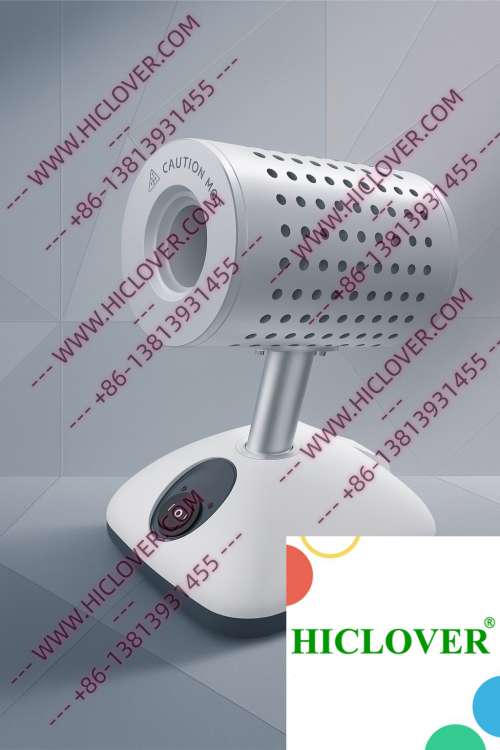
The Micro Incinerator, specifically the Infrared Inoculating Loop Sterilizer, operates on the principle of rapid thermal sterilization. By utilizing infrared heat, this device efficiently disinfects inoculating loops in merely seconds, providing a reliable alternative to open flame. The enclosed ceramic heating chamber concentrates the heat, ensuring high-temperature disinfection without the risks associated with flames, such as burns or interruptions in airflow.
- Rapid Heat Generation: Within seconds, the sterilizer reaches its optimal temperature for effective sterilization.
- Enclosed Design: The ceramic tube prevents accidental contact and minimizes exposure to harmful aerosols.
- Energy Efficient: Consumes minimal power compared to traditional flame sterilizers.
- Easy to Use: Simple operation with user-friendly indicators for temperature readiness.
- A reduction in flame use, which is crucial in clean room environments where open flames are prohibited.
- High-performance disinfection aligned with laboratory sterilization standards, ensuring tools remain free from contamination.
- Enhanced safety training programs, as staff can be educated on safer sterilization practices using the Micro Incinerator.
Application Scenarios in Real Labs
Micro Incinerators find utility across diverse laboratory environments. Below are practical applications illustrating their flexibility:
Biosafety Cabinet Integration
In BSL-2 and BSL-3 microbiology labs, strict compliance with biosafety standards is critical. The incorporation of a Micro Incinerator within a biosafety cabinet allows researchers to sterilize inoculating tools without compromising sterilization integrity. This setup prevents contamination efficiently while ensuring that all biohazardous materials are handled appropriately.
Field Testing and Mobile Labs
Field testing presents unique challenges, particularly in remote areas where traditional power sources may be unreliable. Portable Micro Incinerators provide necessary flexibility; researchers can sterilize equipment without needing an electric outlet. This feature enhances field experiments in locations such as environmental sampling sites or mobile health clinics, uniting functionality with accessible disinfecting solutions.
Compliance with Biosafety Standards
Complying with international biosafety standards is critical for laboratories that conduct sensitive research. Organizations such as the World Health Organization (WHO) outline stringent sterilization protocols to ensure safety in laboratories worldwide. Micro Incinerators help meet these requirements by providing:
| Feature | Micro Incinerator | Traditional Flame Sterilizers |
|---|---|---|
| Heat Source | Infrared | Flame |
| Safety | Low Risk (No Open Flame) | Higher Risk (Flammable) |
| Contamination Control | Aerosol-Free Handling | Potential for Contaminants |
| Energy Efficiency | High | Variable |
Frequently Asked Questions
Q: How quickly does a Micro Incinerator sterilize inoculating loops?
A: The Micro Incinerator can achieve sterilization in approximately 5-10 seconds, making it one of the fastest options available.
Q: Is it safe to operate a Micro Incinerator in a BSL-2 lab?
A: Yes, the Micro Incinerator is designed to be safe for use in BSL-2 environments, as it minimizes the risk of contamination and prevents the generation of aerosols.
Q: How does it compare with conventional methods in terms of environmental impact?
A: Micro Incinerators are more eco-friendly as they do not produce flames that can release harmful gases or require flammable materials.
Q: Can it be used in teaching labs for student instruction?
A: Absolutely! It is an excellent teaching tool for students learning aseptic techniques, as it demonstrates safe practices without the risks associated with flames.
Q: What maintenance does a Micro Incinerator require?
A: Minimal maintenance is needed; simple cleaning and ensuring the ceramic tube remains intact are the primary responsibilities.
Conclusion: Your Next Step Towards Safer Lab Practices
Transitioning to a Micro Incinerator or Infrared Inoculating Loop Sterilizer is a strategic choice for laboratories aiming to enhance biosafety measures while maintaining efficiency in sterilization workflows. With a design tailored for modern needs, these low-maintenance sterilizers present a practical solution for diverse laboratory environments, from cutting-edge research labs in New York City to teaching facilities in universities across the UK. To explore options for your laboratory or to request a quote, don’t hesitate to contact us today!
Categories:
Tags: