
In the fast-evolving landscape of laboratory biosafety, the demand for advanced sterilization technologies is more crucial than ever, particularly in countries like Nepal. Laboratories face ongoing challenges in ensuring contamination control and maintaining sterile environments. As research and clinical diagnostics grow, so does the need for efficient, reliable sterilization methods to support the safety and integrity of laboratory work. This article will delve into the advantages of the Micro Incinerator / Infrared Inoculating Loop Sterilizer and how it stands out in the realm of laboratory sterilization equipment.
Understanding the Micro Incinerator Technology
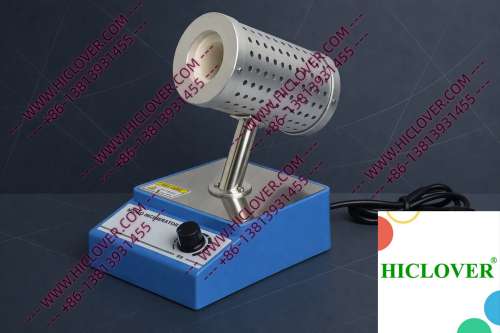
The Micro Incinerator operates on the principle of infrared heat, utilizing an enclosed ceramic tube for rapid thermal sterilization. This technology allows for precise control over high-temperature disinfection, effectively eliminating unwanted microbial life without the risks associated with traditional flame-based sterilization methods. Unlike alcohol lamps or Bunsen burners, this advanced device offers a far safer and cleaner process, making it suitable for various laboratory environments, including BSL-2 and BSL-3 microbiology labs.
Key Features of the Micro Incinerator
- Rapid Thermal Sterilization: Reaches sterilization temperatures quickly, reducing downtime in laboratory operations.
- Clean-Bench-Safe Design: The enclosed nature minimizes contamination risks and complies with clean-room standards.
- Aerosol-Free Handling: Ensures safety by eliminating the generation of aerosols that can compromise laboratory air quality.
- Minimal Maintenance: An efficient design that requires less upkeep compared to traditional flame sterilizers.
Application Scenarios in Real Labs
The versatility of the Micro Incinerator extends across various laboratory contexts. Here are two prominent application scenarios:
Biosafety Cabinets in Clinical Diagnostics
In clinical diagnostics, maintaining aseptic conditions is pivotal. The Micro Incinerator can be seamlessly integrated within biosafety cabinets, providing a sterile environment for handling sensitive samples. As technicians prepare inoculating loops or perform microbial culture isolation, the infrared sterilizer ensures that all tools are effectively sterilized without introducing contaminants into the cabinet, enhancing overall reliability and safety in testing environments.
Field Testing Laboratories
In field testing labs, where rapid responses are essential, the portability and efficiency of the Micro Incinerator shine. For instance, during an outbreak response, field personnel can rely on this device for on-the-spot sterilization of tools, markedly improving workflow speed without compromising safety. Its lightweight design allows easy transport, making it a valuable asset in remote or mobile testing units where traditional setups might be impractical.
Compliance and Environmental Impact
Adhering to international biosafety regulations is critical for laboratories worldwide. The Micro Incinerator meets various standards outlined by the World Health Organization (WHO), allowing labs to maintain compliance while performing essential sterilization processes.
Moreover, with increasing concerns surrounding environmental sustainability, this sterilization technology presents a significant advantage. Traditional flame-based sterilizers often rely on flammable gases or alcohols, raising fire hazards and often increasing carbon footprints. In contrast, the Micro Incinerator operates with improved energy efficiency and environmental safety in mind, making it an ideal choice for modern laboratories focused on sustainability.
Biosafety Compliance Reference
| Aspect | Micro Incinerator | Flame Sterilizers |
|---|---|---|
| Safety | Infrared heat, no flames, aerosol-free | Open flame, risk of aerosols |
| Efficiency | Rapid sterilization, low downtime | Long heating times, variable results |
| Compliance with WHO Standards | Yes | Varies, often requires separate approvals |
| Environmental Impact | Low emissions | Higher emissions, flammable materials |
Frequently Asked Questions (FAQs)
What types of laboratories benefit from using a Micro Incinerator?
Micro Incinerators are ideal for a variety of settings, including BSL-2 and BSL-3 microbiology labs, clinical diagnostics, and even educational institutions focusing on advanced microbiological training.
How does the Micro Incinerator compare to traditional sterilization methods?
The Micro Incinerator offers faster sterilization times, reduced fire hazards, and better compliance with safety regulations compared to traditional flame sterilizers, which utilize flammable materials and can lead to increased contamination risks.
Can the Micro Incinerator be used in field testing laboratories?
Absolutely! The portability and compact design of the Micro Incinerator make it an essential tool for field testing labs, allowing easy and efficient sterilization of equipment on-site.
Is the Micro Incinerator energy-efficient?
Yes, this sterilization technology is designed to be energy-efficient, contributing to lower operational costs and reduced environmental impact.
Where can I purchase the Micro Incinerator for my laboratory needs?
The Micro Incinerator is available through various laboratory supply distributors. For inquiries regarding bulk purchases or specific needs, please contact us for specialized assistance.
Conclusion
Investing in loop sterilization technology like the Micro Incinerator presents a significant step forward in enhancing biosafety protocols within Nepal’s laboratories. As the demand for reliable and efficient sterilization methods grows, adopting such advanced solutions can lead to safer, more effective laboratory practices. For more information or to discuss purchasing options, feel free to reach out and explore how we can support your laboratory sterilization needs.
Categories:
Tags: