
In laboratories, particularly those engaged in microbiological research or clinical diagnostics, ensuring a sterile environment is paramount. Traditional methods for sterilization, such as alcohol lamps and Bunsen burners, present several challenges, notably in terms of efficiency, safety, and compliance with regulatory standards. These challenges have led to an increasing interest in innovative solutions, such as micro incinerators, specifically the Micro Incinerator / Infrared Inoculating Loop Sterilizer, crucial in meeting laboratory sterilization workflow demands while enhancing biosafety protocols.
Technical Principles of Micro Incinerators
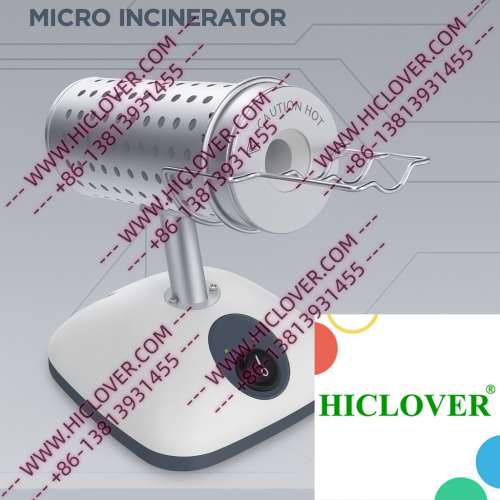
The Micro Incinerator operates using the principles of rapid thermal sterilization, characterized by its enclosed ceramic heating tube that generates high temperatures to achieve effective disinfection. The patented infrared technology allows the device to heat up quickly, reaching sterilization temperatures in mere seconds. This mechanism uses infrared heat, which not only provides rapid sterilization but also minimizes the risk of any residual flaming, thus reducing pollutants and avoiding the combustion of materials that could produce hazardous aerosols.
Unlike traditional flame-based sterilizers, the ceramic heating chamber ensures a clean, flame-free operation that is safe for cleanbench applications and prevents contamination. The micro incinerator is also engineered to provide precise heating, allowing for controlled operations that are critical when working with pathological specimens in BSL-2 and BSL-3 microbiology labs.
Applications in Modern Laboratories
1. Biosafety Cabinets
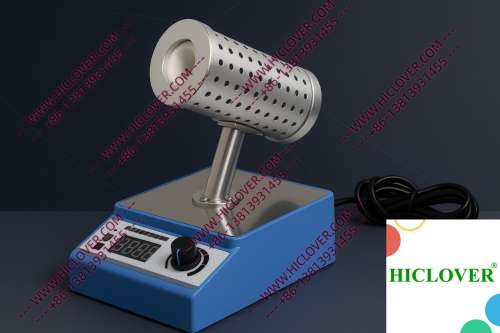
In high-stakes laboratory environments, such as biosafety cabinets, the Micro Incinerator serves as a vital tool for sterilization before handling microbial cultures. The device’s enclosed design enhances the sterility of the workspace, thereby allowing researchers to work with infectious agents without risking contamination from flame-based methods. Furthermore, its aerosol-free operation is essential in maintaining compliance with stringent biosafety standards, ensuring that any potential pathogens do not escape into the environment.
2. Field Testing Laboratories
In mobile or field testing labs, the need for portable and efficient sterilization methods is crucial. The Micro Incinerator is compact and operates on electricity, making it an excellent choice for various field operations, such as environmental testing or rural health campaigns in Sri Lanka. The speed of sterilization enables technicians to quickly process samples, thereby enhancing workflow efficiency and the overall output of field investigations.
Compliance and Environmental Considerations
Compliance with international biosafety regulations is essential for laboratories, particularly in contexts sensitive to contamination risks, such as clinical diagnostics and research institutes. The World Health Organization (WHO) provides guidelines that emphasize the importance of stringent sterilization methods in laboratory settings.
Micro Incinerators align with WHO biosafety standards by promoting cleanroom-friendly operations without open flames. Regulatory compliance is further supported by the use of these devices, as they help avert the risks associated with alcohol combustion and reduce the environmental impact compared to traditional burners. Additionally, no open flames mean a lesser risk of igniting flammable materials, which is vital in sensitive labs or when using gas-powered equipment like CO₂ incubators.
Advantages Over Traditional Flame Sterilizers
| Feature | Micro Incinerator | Flame Sterilizers |
|---|---|---|
| Speed of Sterilization | Rapid thermal sterilization in seconds | Variable, reliant on user experience |
| Sterilization Consistency | Uniform high-temperature disinfection | Inconsistent due to human error |
| Safety Profile | Flame-free, reduced aerosol risk | Inherent fire hazards, aerosol generation |
| Environmental Impact | Lower emissions, cleanroom-compatible | Higher smoke and fume emissions |
Frequently Asked Questions
- What is the primary function of a Micro Incinerator? The Micro Incinerator is designed for quick and effective sterilization of inoculating loops and other lab equipment using infrared heat.
- Is the Micro Incinerator safe to use in a cleanroom? Yes, its flame-free operation makes it suitable for cleanroom environments, minimizing contamination risks.
- How does the sterilization process compare to traditional methods? Micro Incinerators offer faster and more consistent sterilization without the dangers associated with open flames.
- Are there any specific maintenance needs for a Micro Incinerator? Regular cleaning of the ceramic heating chamber is recommended to maintain performance and prevent residue buildup.
- Can the Micro Incinerator be used for field testing? Yes, its compact design and efficient operation make it suitable for field testing applications in remote locations.
Conclusion
The integration of Micro Incinerators in laboratory sterilization workflows represents a significant advancement for laboratories in Sri Lanka and beyond. As they provide enhanced efficiency, safety, and compliance with biosafety standards, these devices serve as ideal solutions for modern sterilization challenges across various laboratory environments, including clinical diagnostics and university teaching labs. If you are looking to upgrade your sterilization processes, consider investing in a Micro Incinerator / Infrared Inoculating Loop Sterilizer to elevate your laboratory operations. For more information about our product range or to discuss your specific needs, contact us today!
Categories:
Tags: