
As laboratories around Brazil evolve to meet the growing demands of biosafety, the challenge of effective sterilization remains a critical focus. The strict requirements set forth by health organizations, coupled with the necessity for contamination control, shed light on the economic implications of investing in state-of-the-art sterilization equipment, particularly the Micro Incinerator / Infrared Inoculating Loop Sterilizer. This article explores the myriad advantages of adopting infrared heating technology for sterilization workflows in diverse laboratory settings.
Practical Laboratory Biosafety Challenges
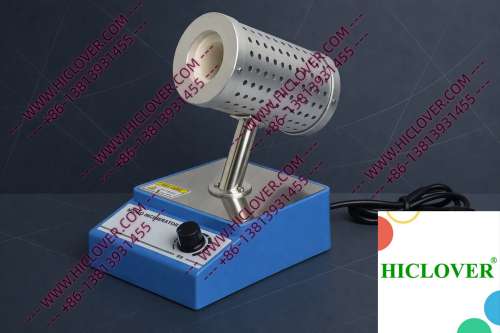
Laboratory professionals frequently grapple with the complexities of ensuring a sterile environment. Standard methods like alcohol lamps and Bunsen burners, while commonplace, often come with significant drawbacks, including the risk of fire hazards and aerosol formation that can jeopardize critical research or testing outcomes. The Micro Incinerator offers a groundbreaking alternative, providing rapid thermal sterilization that circumvents these issues while maintaining high compliance standards.
Technical Principle and Configuration
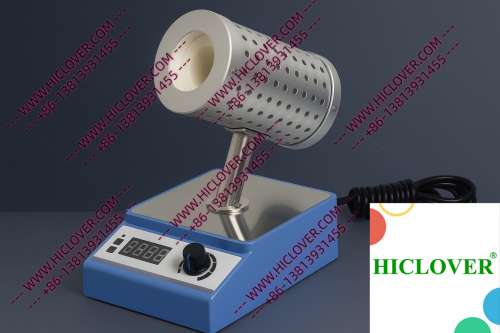
The Micro Incinerator leverages infrared heat to deliver effective sterilization. Within its enclosed ceramic tube, the device produces high temperatures that efficiently sterilize inoculating loops without exposing users to open flames. This design not only accentuates safety but also enhances sterilization speed, making it a preferred option across various lab environments in Brazil.
Comparison Table: Micro Incinerator vs. Flame Burners
| Feature | Micro Incinerator | Flame Burners |
|---|---|---|
| Safety | No open flame; reduces fire risks | Open flame; potential fire hazards |
| Speed | Rapid thermal sterilization in seconds | Variable; requires constant monitoring |
| Environmental Compliance | Meets lab sterilization standards | May produce aerosols; unsafe in clean rooms |
| Ease of Use | Simple operation with no flame | Requires skill to handle safely |
Application Scenarios in Real Labs
Case Study 1: BSL-2 Microbiology Labs
In Brazilian BSL-2 laboratories, where pathogenic organisms are studied, maintaining a sterile workspace is paramount. Utilizing Micro Incinerators in biosafety cabinets allows technicians to efficiently sterilize loops for inoculation without the risk of flammable gas accumulation. The enclosed design not only preserves air quality but also ensures that sterile techniques are upheld throughout procedures.
Case Study 2: University Teaching Labs
University laboratories have unique sterilization needs, especially when training the next generation of scientists. The Micro Incinerator’s rapid sterilization helps streamline workflows for students in microbiology classes, minimizing downtime between experiments and enhancing learning experiences. Its simplicity and effectiveness create an ideal teaching tool for budding laboratory professionals.
Compliance and Environmental Considerations
Compliance with the World Health Organization (WHO) biosafety standards is non-negotiable in laboratory settings. By utilizing a Micro Incinerator, laboratories align with global sterilization standards that mandate the absence of flame in clean rooms. This helps mitigate the risk of contamination and ensures that organizations remain compliant, promoting trust in research outputs and enhancing safety protocols.
Market Needs and Benefits
The shift toward employing modern sterilization technologies is not merely a trend but a necessity for laboratories across Brazil. Efficiency gains from using a Micro Incinerator directly contribute to enhancing operational efficacy and reducing the risk of contamination. Institutions aiming to improve their health practices can expect notable financial returns on investment through reduced consumable usage, higher throughput, and improved compliance with biosafety regulations.
Key Advantages of the Micro Incinerator
- Enhanced safety with no open flame, suitable for any laboratory environment.
- Fast turnaround times for sterilizing loops, significantly improving workflow efficiency.
- Reduced risk of aerosol generation, which is crucial in maintaining biosafety.
- Cost-effectiveness by lowering consumption of continuous supplies like alcohol.
- Compliance with international and local sterilization standards.
Frequently Asked Questions
1. What are the primary advantages of infrared sterilizers compared to traditional flame sterilizers?
The Micro Incinerator outperforms traditional flame sterilizers by providing enhanced safety, faster sterilization times, and compliance with stringent biosafety standards.
2. How does a Micro Incinerator minimize contamination risk?
By eliminating open flames, the device reduces aerosol generation, significantly lowering the risk of contamination in laboratory settings.
3. Is the Micro Incinerator compliant with Brazilian health regulations?
Yes, it meets the standards set forth by local health and safety organizations, ensuring laboratories can maintain compliance with biosafety protocols.
4. Can the Micro Incinerator be used in teaching labs effectively?
Absolutely, its ease of use and rapid sterilization capabilities make it an ideal choice for educational settings, facilitating a safe learning environment.
5. What is the estimated lifespan of the Micro Incinerator?
Typically, with proper maintenance, the Micro Incinerator can last several years, making it a sound investment for laboratories.
Conclusion
Investing in a Micro Incinerator / Infrared Inoculating Loop Sterilizer is a strategic move for laboratories aiming to enhance their sterilization workflows while ensuring compliance with stringent biosafety regulations. By reducing risks associated with traditional flame sterilizers, laboratories across Brazil can significantly improve their operational efficiency and maintain high health standards. For further inquiries or to consider adding this innovative technology to your laboratory, please feel free to reach out!
Categories:
Tags: