
In the world of laboratory biosafety and sterilization, the demand for efficient, reliable, and safe waste management methods continues to rise. Microbiology labs, clinical diagnostics, and educational institutions often face significant challenges in maintaining sterile environments while minimizing contamination risks.
Consequently, technology has evolved, leading to the development of specialized equipment such as the Micro Incinerator, also known as the Infrared Inoculating Loop Sterilizer. This cutting-edge device is increasingly recognized for its ability to meet the rigorous demands of modern biosafety protocols.
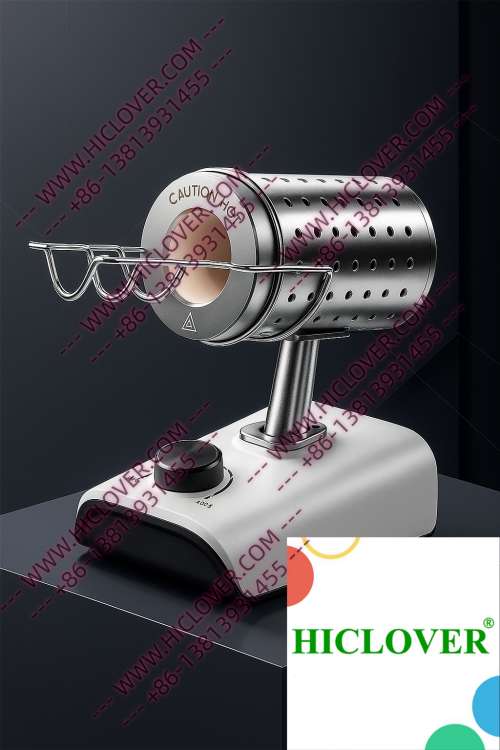
Technical Principles Behind Micro Incinerators
The Micro Incinerator operates on the principle of rapid thermal sterilization using infrared heat. Unlike conventional flame sterilizers—such as alcohol lamps and Bunsen burners—this innovative device employs an enclosed ceramic heating chamber that provides a controlled environment for high-temperature disinfection. The absence of an open flame not only enhances safety but also minimizes chemical exposure and the risk of aerosols.
- Infrared Heating: Delivers consistent and rapid heating to the inoculating loop or other instruments.
- Enclosed Design: Reduces contamination risks, making it ideal for use in clean rooms and biosafety cabinets.
- Odor-Free Operation: Eliminates harmful fumes that are typically associated with traditional flame sterilizers.
- Provides a flame-free solution suitable for clean rooms, thereby enhancing safety.
- Meets relevant sterilization standards, ensuring effectively sterilized microorganisms and materials.
- Reduces the risk of creating aerosols during the sterilization process, essential in protecting lab personnel.
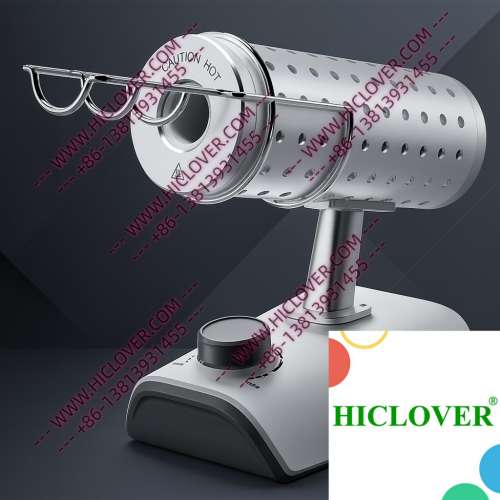
Application Scenarios in Laboratory Settings
Micro incinerators find utility across various laboratory environments. Below are notable application scenarios:
1. Biosafety Cabinet Use
In BSL-2 and BSL-3 microbiology labs, safety is paramount. The Micro Incinerator’s enclosed heating design makes it an ideal companion in biosafety cabinets, ensuring that contamination of the workspace is prevented. For instance, researchers working with pathogens can quickly sterilize inoculating loops between sample applications, maintaining a sterile field without risking exposure to open flames.
2. Teaching Laboratories
Educational institutions that conduct hands-on microbiological training benefit immensely from the Micro Incinerator. In teaching labs, students can practice sterile techniques safely. With its compact design, this equipment can easily fit into the workflow of demonstrations or practical sessions without the hazards associated with traditional flame sterilization.
Compliance with Biosafety Standards
Adhering to compliance and laboratory sterilization standards is critical in laboratory operations, particularly concerning sterilization techniques. The World Health Organization (WHO) underscores the importance of proper waste disposal and sterilization to ensure public health safety. The Micro Incinerator aligns perfectly with these guidelines, as it:
Moreover, regional laboratory safety standards dictate stringent protocols for waste management and sterilization practices, especially in urban centers such as New York or London, where research facilities have to comply with extensive local regulations.
Advantages Over Traditional Flame Sterilizers
When comparing the Micro Incinerator to traditional flame sterilizers, its advantages are clear:
| Feature | Micro Incinerator | Traditional Flame Sterilizers |
|---|---|---|
| Heat Source | Infrared | Open flame |
| Safety | Odor-free, no flame | Fire hazard, fumes |
| Efficiency | Rapid sterilization | Variable stability |
| Versatility | Multiple lab settings | Limited use |
Frequently Asked Questions
1. What is the primary advantage of using a Micro Incinerator over a Bunsen burner?
The primary advantage is the absence of an open flame, which significantly reduces the fire hazard and increases safety in the laboratory environment.
2. Can Micro Incinerators be used in field testing labs?
Yes, their compact and portable design makes them suitable for field testing environments where mobility and safety are crucial.
3. Are Micro Incinerators compliant with WHO biosafety standards?
Absolutely! They meet stringent sterilization standards, ensuring effective contamination control in laboratories and medical facilities.
4. How do you maintain a Micro Incinerator?
Regular cleaning of the ceramic heating chamber and ensuring operational integrity will maintain the efficiency and longevity of the device.
5. Is the Micro Incinerator suitable for all laboratory sterilization needs?
While it excels in many scenarios, it is essential to evaluate specific sterilization requirements and compatibility with the materials being processed.
Conclusion
Odor-free micro incineration stands at the forefront of efficient waste reduction in laboratory environments. By leveraging the power of infrared heating, researchers and educators can adopt safer, effective, and compliant alternatives to traditional flame sterilization methods. For those looking to enhance their biosafety protocols and streamline sterilization workflows, investing in a Micro Incinerator can be a transformative step. Contact us today to explore our offerings and elevate your laboratory practices!
Categories:
Tags: