
The increasing demands of modern laboratory settings necessitate adherence to stringent biosafety standards while also optimizing workflow efficiency. Laboratory environments must consistently tackle contamination control challenges while ensuring reliable sterilization processes. With routine procedures hinging on sterilization methods, laboratories are adopting innovative technologies such as micro incinerators and infrared inoculating loop sterilizers to enhance safety and efficacy.
Understanding the Technical Principles
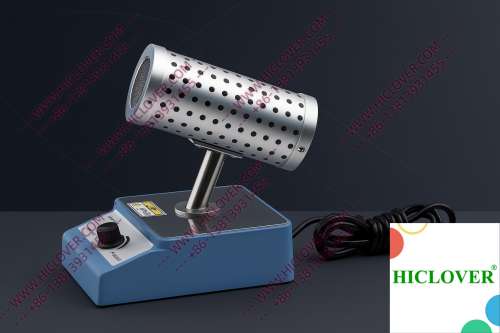
Low smoke sterilizer heaters, like the micro incinerator, utilize advanced infrared heating technology to achieve rapid thermal sterilization. The key lies in the enclosed ceramic tube, which emits infrared radiation that reaches high temperatures quickly and evenly. This design not only ensures thorough disinfection but also minimizes the risk of atmospheric contamination.
Traditional sterilization methods, such as alcohol lamps and Bunsen burners, rely on open flames that pose potential hazards, especially in clean rooms or BSL-2 environments. Infrared sterilizers, on the other hand, provide clean-bench-safe operations with no flames involved, making them ideal for sensitive applications where aerosol-free handling is critical.
Applications of Low Smoke Sterilizer Heaters in Real Labs
1. Biosafety Cabinets
In high-containment laboratories, such as biosafety level 2 (BSL-2) or biosafety level 3 (BSL-3) facilities, maintaining a sterile environment is paramount. The micro incinerator is frequently employed in biosafety cabinets to sterilize tools and equipment without generating harmful aerosols or fumes. The contained nature of both the biosafety cabinet and the sterilizer enhances worker safety while ensuring that the environment remains uncontaminated.
2. Teaching Laboratories
In academic settings, particularly within university teaching labs, the micro incinerator serves as an essential tool for student training. Its user-friendly interface allows students to practice sterile techniques safely, without the risks associated with open flames. By integrating low smoke sterilizers into teaching protocols, institutions can cultivate a culture of safety that resonates through future generations of scientists.
Compliance and Environmental Considerations
Maintaining compliance with biosafety regulations is critical for all laboratory settings. Organizations such as the World Health Organization (WHO) provide guidelines focusing on sterilization standards and methods to prevent contamination. As per WHO recommendations, laboratories are urged to utilize sterilizers that do not involve flames in clean rooms due to safety risks associated with combustion.
Additionally, regulatory bodies have developed strict sterilization protocols to safeguard researchers and the environment. Low smoke sterilizers align with these guidelines by offering a flame-free solution that minimizes pollution and enhances safety in sensitive research and clinical environments. In regions like the European Union and the United States, adherence to these compliance standards is not just mandatory but forms the basis of operation for laboratories striving to achieve the highest quality and safety benchmarks.
Advantages of Low Smoke Sterilizers Over Traditional Flame Sterilizers
Here is a concise comparison showing the benefits of using micro incinerators against traditional flame sterilizers:
| Feature | Micro Incinerator | Flame Sterilizers |
|---|---|---|
| Heat Source | Infrared radiant | Open flame |
| Safety | Low smoke, no flames | Risk of burns and fires |
| Contamination Control | Aerosol-free handling | Potential for aerosol generation |
| Response Time | Rapid thermal sterilization | Variable heating time |
Frequently Asked Questions (FAQs)
- What is a low smoke sterilizer heater, and how does it work?
The low smoke sterilizer heater employs infrared technology to achieve high temperatures quickly for effective sterilization of laboratory tools. - Why is a micro incinerator safer than traditional methods?
Micro incinerators eliminate open flames, reducing risk factors associated with burns and fires while promoting aerosol-free environments. - In which laboratory settings can micro incinerators be used?
Micro incinerators are suitable for various applications, including BSL-2 labs, teaching laboratories, and field testing environments. - Are micro incinerators compliant with international biosafety standards?
Yes, micro incinerators align with WHO protocols and other relevant biosafety regulations, supporting clean and contamination-free procedures. - How do I choose the right sterilization equipment for my lab?
When selecting sterilization equipment, consider your lab’s specific needs, the type of work performed, and compliance with safety standards.
Conclusion
Integrating low smoke sterilizer heaters, such as micro incinerators, into laboratory settings enhances both safety and efficiency. As industries evolve, laboratories can no longer afford to rely on outdated, hazardous practices. Adopting advanced sterilization solutions not only meets compliance standards but also secures a safer environment for researchers and students alike.
If you’re looking to upgrade your sterilization equipment, don’t hesitate to contact us for more information. Invest in a micro incinerator to elevate your laboratory’s safety and efficiency today.
Categories:
Tags: