
In today’s laboratories, especially those operating under stringent biosafety conditions, the challenges of maintaining effective sterilization are paramount. From BSL-2 and BSL-3 microbiology labs to clinical diagnostics and university teaching environments, the demand for reliable, efficient, and safe sterilization methods has never been greater. As paths to contamination control become increasingly complex, laboratory professionals are turning to innovative solutions like micro incinerators, particularly the Infrared Inoculating Loop Sterilizer, to meet their varied sterilization workflow demands.
Technical Principles of Micro Incinerators
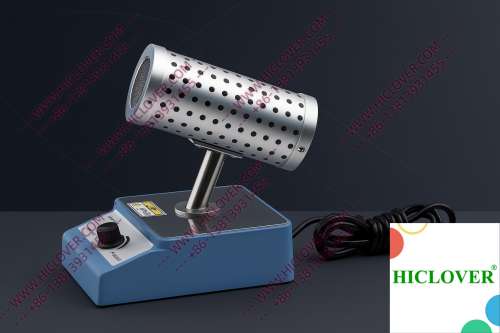
Micro incinerators utilize infrared heat to provide rapid thermal sterilization, making them a revolutionary alternative to traditional flame sterilizers like alcohol lamps and Bunsen burners. The principle behind this technology involves an enclosed ceramic heating chamber where infrared radiation is concentrated to reach high temperatures, ensuring effective disinfection of surgical tools, inoculating loops, and other lab instruments with minimal delay.
Unlike traditional flame-based methods, micro incinerators operate safely without an open flame, reducing risks associated with fire hazards. This is particularly beneficial in clean rooms or areas with volatile materials, where the presence of flames can lead to dangerous situations. The compact design of micro incinerators also allows easy integration into various laboratory settings, from clean benches to portable field testing labs.
Application Scenarios in Real Laboratories
1. Biosafety Cabinets and Clinical Diagnostic Labs
In biosafety cabinets, where aerosol emissions must be minimized for the safety of personnel and samples, micro incinerators excel. For example, in clinical diagnostic labs processing human specimens, the Infrared Inoculating Loop Sterilizer allows technicians to sterilize inoculating loops swiftly, eliminating the risk of cross-contamination between samples. The enclosed design ensures that no aerosols or particulates escape, maintaining a sterile environment essential for accurate results.
2. University Teaching Labs
In university teaching labs, students often engage in hands-on microbiology experiments that require rigorous sterilization of tools between uses. Micro incinerators can quickly handle the rapid turnover of sterilization needs, allowing students to focus on learning rather than waiting for traditional methods to be completed. Moreover, the user-friendly operation and robust safety features of these devices make them suitable for educational settings, where students are still becoming familiar with lab safety protocols.
Compliance With Biosafety Standards
Adhering to biosafety standards is crucial for laboratory operations, particularly for the WHO biosafety guidelines and international lab sterilization standards. The use of micro incinerators aligns with these requirements by providing a flame-free sterilization option, enabling labs to operate in compliance with regulations governing clean room environments and contamination control. Notably, the absence of an open flame not only enhances safety but also prevents the potential introduction of non-sterile particulates into the work environment.
Additionally, with increased focus on environmental factors, micro incinerators present a greener alternative to traditional sterilization methods. They require less energy and reduce chemical waste, contributing to laboratories’ sustainability initiatives.
Comparative Analysis: Micro Incinerator vs. Traditional Flame Sterilizers
| Feature | Micro Incinerator | Flame Sterilizers |
|---|---|---|
| Method of Sterilization | Rapid thermal sterilization via infrared heat | Open flame combustion |
| Safety | No open flame, minimizing fire hazards | Flames present risk of accidents |
| Efficiency | Instant heating, reduced downtime | Slow heating and cooling cycles |
| Environmental Impact | Lower energy consumption | Higher energy consumption and toxic emissions |
| Portability | Compact and lightweight | Typically larger and less mobile |
FAQ Section
What is a micro incinerator, and how does it work?
A micro incinerator is a laboratory device that uses infrared heat to achieve rapid thermal sterilization of tools and instruments. Its enclosed ceramic tube design allows for high-temperature disinfection without the risks associated with open flames.
Can micro incinerators be used in clean rooms?
Yes, micro incinerators are designed for clean rooms because they do not produce open flames and minimize the risk of contamination, thus maintaining the controlled environment necessary for sensitive experiments.
Why should I choose a micro incinerator over traditional flame sterilizers?
Micro incinerators offer several advantages, including improved safety due to no open flames, faster sterilization times, reduced energy consumption, and portability that is beneficial in various lab settings.
Are micro incinerators compliant with international sterilization standards?
Yes, micro incinerators comply with WHO biosafety guidelines and international standards for lab sterilization, ensuring effective sterilization in accordance with safety regulations.
How is the Infrared Inoculating Loop Sterilizer used in field testing?
The Infrared Inoculating Loop Sterilizer is ideal for field testing as it provides a portable, flame-free sterilization method, allowing researchers to safely handle samples and equipment in diverse and potentially unsafe environments.
Conclusion
In an era where laboratory hygiene is paramount, micro incinerators such as the Infrared Inoculating Loop Sterilizer are effectively addressing the complexities of sterilization workflows. They not only enhance safety and efficiency but also ensure that laboratories comply with international standards. As you consider the pressing need for reliable, innovative sterilization methods in your facility, contact us today to explore how micro incinerators can elevate your laboratory’s hygiene practices.
Categories:
Tags: