
In the fast-evolving landscape of laboratory biomedical research, ensuring stringent biosafety while achieving efficient sterilization workflows remains a significant challenge. Laboratory professionals often face critical obstacles when maintaining contamination control within their operational environments. This demand is particularly evident in regions like Ethiopia, where access to advanced laboratory technologies may be limited. Among various sterilization methods, micro incinerators, particularly Infrared Inoculating Loop Sterilizers, offer practical, reliable, and efficient solutions.
Understanding the Technical Principles of Micro Incinerators
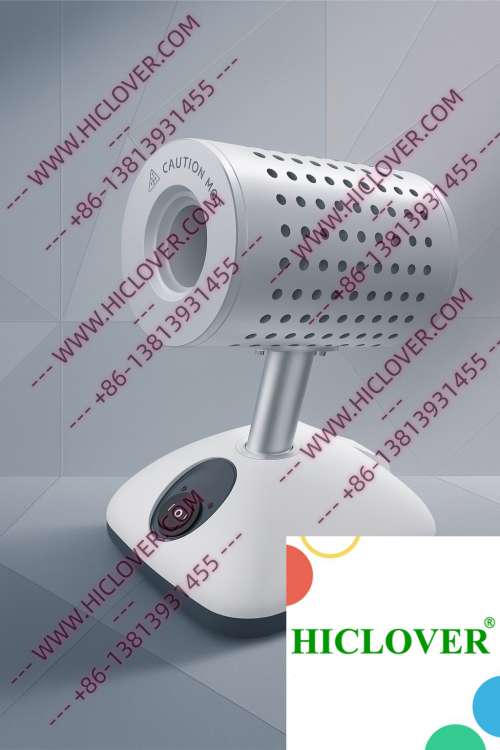
Micro incinerators utilize advanced infrared heating technology for rapid thermal sterilization in laboratory settings. By using an enclosed ceramic heating chamber, these devices achieve high-temperature disinfection without the risks associated with traditional flame sterilizers. The infrared heat generated ensures that sterilization occurs swiftly, reducing the time taken to prepare and maintain sterile working conditions. Unlike alcohol lamps or Bunsen burners, which pose fire hazards and dysfunctional aerosol production, micro incinerators can seamlessly integrate into clean bench protocols without disruption.
Advantages Over Traditional Flame Sterilizers
- Safety: Infrared micro incinerators eliminate open flames, reducing fire hazards and aerosol generation.
- Efficiency: Instant heating and cooling cycles allow for on-demand sterilization.
- Consistency: Provides uniform heat distribution compared to varied flame sizes.
- Ease of Use: Intuitive operation suitable for technicians across skill levels.
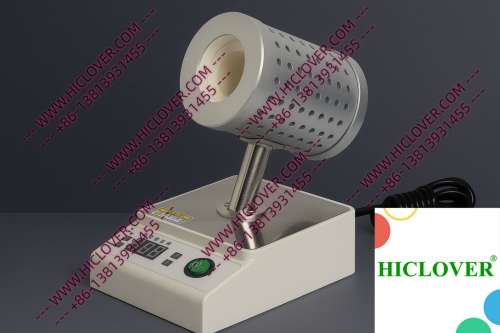
Application Scenarios in Ethiopian Laboratories
1. Biosafety Cabinets
In BSL-2 and BSL-3 laboratories, where bacterial and viral pathogens are handled, micro incinerators ensure a contamination-free workspace. By utilizing the Infrared Inoculating Loop Sterilizer inside biosafety cabinets, researchers can rapidly sterilize loops and needles, maintaining the integrity of cultures while minimizing contamination risks during microbial work. This is essential not only for research efficacy but also for safeguarding laboratory personnel and the broader environment.
2. Mobile and Field Testing Labs
In the Ethiopian context, where field testing is often essential to public health surveillance, mobile laboratories are increasingly crucial. Micro incinerators can be employed for sterilization in these mobile units, allowing for streamlined workflows that adapt to various environments, from healthcare posts to remote field situations. Their compact design and rapid heating capabilities mean that practitioners can maintain biosafety standards on-site, enhancing the quality of data collected in the field.
Compliance and Environmental Considerations
Compliance with established biosafety standards is paramount in laboratory operations globally. The World Health Organization (WHO) emphasizes the need for effective sterilization methods to control the spread of infectious agents. Furthermore, strict laboratory sterilization guidelines enforce the use of non-flame sterilization devices, especially in clean rooms, to mitigate the risks of contamination. The transition to technologies like the Infrared Inoculating Loop Sterilizer not only meets these biosafety standards but also aligns with environmentally sustainable practices by reducing waste from combustion.
Comparative Overview: Micro Incinerator vs. Flame Burners
| Feature | Micro Incinerator | Flame Burners |
|---|---|---|
| Heating Method | Infrared Heating | Open Flame |
| Safety | No Fire Hazards | Risk of Ignite |
| Contamination Control | Aerosol-Free Handling | Potential Aerosolization |
| Energy Efficiency | Instant Heating | Dependent on Flame Size |
| Ease of Operation | User-Friendly | Requires Skill |
Frequently Asked Questions
What are micro incinerators used for in laboratories?
Micro incinerators are primarily used for sterilizing inoculating loops, needles, and other small laboratory tools to prevent contamination in microbial research.
How does the Infrared Inoculating Loop Sterilizer differ from traditional sterilizers?
This device utilizes infrared heat for rapid sterilization, eliminating the need for open flames and significantly reducing contamination risks.
Are micro incinerators compliant with international biosafety standards?
Yes, micro incinerators meet WHO biosafety guidelines and other international sterilization standards, making them suitable for BSL-2 and BSL-3 laboratories.
Can micro incinerators be used in field testing environments?
Absolutely! Their portable design and rapid heating capabilities make them ideal for mobile or field testing laboratories.
What are the environmental benefits of using micro incinerators?
Micro incinerators promote cleaner laboratory practices by reducing waste from combustion and preventing the release of harmful aerosols.
Conclusion
Micro incinerators represent a transformative solution for laboratory settings, enhancing biosafety and efficiency, particularly for Ethiopian populations navigating unique healthcare challenges. Their swift sterilization capabilities align with global compliance standards while contributing positively to environmental sustainability. Investing in modern sterilization technology not only signifies a commitment to safe laboratory practices but also to public health advancement in Ethiopia. For further information or to place an order, don’t hesitate to reach out to trusted laboratory equipment suppliers today!
Categories:
Tags: