
The growing concern for biosafety in laboratory environments poses significant challenges for researchers and technicians. Laboratories, especially those engaged in critical microbiological and clinical diagnostics, require efficient and reliable sterilization methods. Traditional flame-based sterilizers, such as alcohol lamps and Bunsen burners, often fall short of delivering the rapid thermal sterilization needed to combat contamination effectively. Kuwait’s Green Initiative addresses these challenges by promoting advanced technologies like the Micro Incinerator / Infrared Inoculating Loop Sterilizer.
Understanding the Micro Incinerator Technology
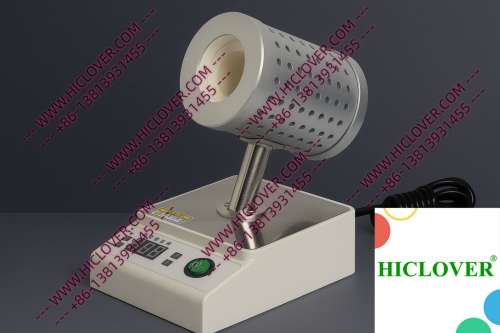
The Micro Incinerator operates on the principle of infrared heat to achieve high-temperature disinfection. Unlike flame-based methods, this advanced technology utilizes an enclosed ceramic heating chamber, which allows for precise and consistent sterilization of inoculating loops and other laboratory tools. The infrared heat is not only safer but also eliminates the risk of open flames in cleanroom environments.
Key Features of the Micro Incinerator
- Rapid Thermal Sterilization: Achieves sterilization in seconds.
- Clean-Bench-Safe Design: Eliminates aerosols and minimizes contamination risks.
- Energy Efficient: Consumes less energy compared to traditional flame-based sterilizers.
- Portable: Ideal for field testing and laboratory use.
Applications in Real Laboratories
The Micro Incinerator is versatile, making it suitable for various laboratory environments. Here are two notable application scenarios:
1. BSL-2 Microbiology Labs
In BSL-2 labs, where handling moderate pathogens is standard, it is crucial to maintain strict biosafety protocols. Micro Incinerators are used within biosafety cabinets to sterilize inoculating loops quickly. This closed environment ensures that any potential aerosols generated during sterilization remain contained, enhancing the safety of laboratory personnel and the integrity of experiments.
2. University Teaching Labs
Teaching laboratories in universities often require effective sterilization tools for various educational activities. Micro Incinerators serve an essential role in these settings by providing students with practical training in sterilization techniques that adhere to modern biosafety standards. Their easy portability allows for streamlined demonstrations, field testing, and even within CO₂ incubator setups for microbial studies.
Compliance with Regulatory Standards
Adhering to biosafety standards is essential in laboratory operations. The World Health Organization (WHO) sets guidelines for laboratory safety that necessitate the use of non-flame sterilization methods in specific environments. The Micro Incinerator aligns with WHO biosafety standards and offers significant advantages over traditional flame sterilizers:
Biosafety Compliance Reference
Feature Micro Incinerator Flame Burners
Aerosol Generation No Yes
Temperature Control Precise Variable
Safety in Clean Rooms High Low
Migrating towards using Micro Incinerators not only ensures adherence to stringent laboratory sterilization standards but also enhances overall safety for laboratory personnel. The absence of open flames creates a cleaner, more controlled environment that is critical in settings like BSL-3 labs and clinical diagnostics.
Frequently Asked Questions (FAQs)
1. How does a Micro Incinerator differ from traditional flame sterilizers?
The Micro Incinerator utilizes infrared heat for rapid thermal sterilization, whereas traditional methods rely on an open flame, which can generate aerosols and pose safety risks. The Micro Incinerator is more efficient and safer for laboratory environments.
2. What are the advantages of using a Micro Incinerator in cleanrooms?
Micro Incinerators reduce the risk of contamination by eliminating open flames, providing fast sterilization without aerosol generation. This makes them ideal for cleanroom applications where pureness is crucial.
3. Can the Micro Incinerator be used for field testing?
Yes, its portable design makes it suitable for field testing, allowing researchers to perform sterilization on-site effectively and safely.
4. What biosafety levels are suitable for using Micro Incinerators?
Micro Incinerators are appropriate for a wide range of biosafety levels, including BSL-2 and BSL-3 labs, owing to their robust design and compliance with biosafety regulations.
5. How does the Micro Incinerator enhance laboratory workflow?
Its rapid sterilization capability streamlines laboratory workflows by reducing downtime between procedures, ensuring that researchers can maintain productivity and safety without compromising sterilization standards.
Conclusion
As Kuwait embraces innovative solutions through its Green Initiative, the integration of Micro Incinerators in laboratory settings marks a significant step forward for biosafety and environmental responsibility. By choosing Micro Incinerators for your sterilization needs, not only will you enhance safety protocols, but you will also contribute to a greener tomorrow.
For more information on how Micro Incinerators can transform your laboratory experience, feel free to contact us today or visit our product page. Together, let’s pave the way towards sustainable and efficient laboratory operations.
Categories:
Tags: