
In the ever-evolving landscape of laboratory operations, biosafety challenges and sterilization workflow demands have become paramount. Oman’s commitment to sustainability permeates its laboratory practices, particularly in waste reduction. As laboratories strive to maintain stringent sterilization standards and minimize their environmental footprint, the adoption of advanced technologies such as Micro Incinerators offers a significant advantage. The Micro Incinerator, also known as an Infrared Inoculating Loop Sterilizer, stands out as a pivotal tool in achieving rapid thermal sterilization and effective contamination control.
Understanding the Micro Incinerator Technology
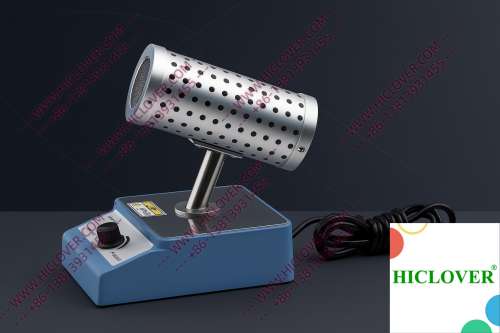
The principle behind the Micro Incinerator revolves around the utilization of infrared heat, which provides an efficient and clean method for sterilizing inoculating loops and other laboratory instruments. Unlike traditional flame sterilizers, the Micro Incinerator employs a ceramic heating chamber that quickly reaches high temperatures without producing an open flame. This feature is particularly important in clean environments, as it eliminates the risk of creating aerosols or generating harmful fumes.
Features of Micro Incinerators
- Rapid Thermal Sterilization: Achieves sterilization in mere seconds, enhancing workflow efficiency.
- Closed System Design: Minimizes contamination risks while handling sterilized tools.
- Clean-Bench-Safe: Ensures safety by eliminating flames and reducing particulate matter in biosafety cabinets.
- Power Consumption: Energy-efficient solution with quick heating capabilities.
- What is a Micro Incinerator?
- A Micro Incinerator is a device used for rapid thermal sterilization of laboratory instruments, offering a clean, flame-free alternative to traditional methods.
- How does infrared heating work in a Micro Incinerator?
- The device uses infrared radiation to rapidly elevate the temperature within a ceramic tube, ensuring efficient sterilization without the risk of contamination.
- What are the main advantages of using a Micro Incinerator in labs?
- Key advantages include improved safety, efficiency in sterilization, and compliance with biosafety standards.
- Can the Micro Incinerator be used in BSL-3 labs?
- Yes, the Micro Incinerator is ideal for BSL-2 and BSL-3 laboratories due to its enclosed design that ensures safety and compliance.
- How does a Micro Incinerator aid in sustainability efforts?
- By minimizing waste and reducing the environmental impact of sterilization processes, the Micro Incinerator aligns with sustainable practices in laboratory settings.
Real-World Applications in Laboratories
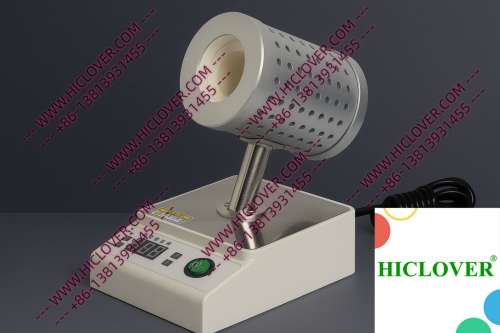
The versatility of Micro Incinerators lends itself to various laboratory settings. Here are two distinct application scenarios:
1. University Teaching Labs
In university biology and microbiology laboratories, where teaching and practical demonstrations are essential, the Micro Incinerator plays a vital role. For example, students can quickly and safely sterilize inoculating loops before working with microbial cultures. Its clean and efficient sterilization process allows for seamless transitions between experiments, minimizing downtime and maximizing educational value.
2. BSL-2 Microbiology Labs
In higher containment laboratories, such as BSL-2 or BSL-3 facilities, the Micro Incinerator proves invaluable. Sterilizing instruments in a biosafety cabinet without an open flame or aerosol risk ensures compliance with stringent biosafety standards. The unique design allows researchers to conduct experiments with ease, knowing their instruments are adequately sterilized and the risk of contamination is significantly reduced.
Compliance and Environmental Considerations
As Oman aims to advance its laboratory sustainability practices, adherence to global biosafety and sterilization standards is crucial. The World Health Organization (WHO) provides guidelines that emphasize the need for sterilization methods that minimize environmental impact, safety risks, and contamination. Traditional methods utilizing alcohol lamps or Bunsen burners pose dangers concerning flame storage and aerosol production, which can threaten both operator safety and laboratory environmental control.
Micro Incinerators offer a clean and compliant alternative in environments sensitive to contamination. Their ability to produce high-temperature sterilization without flames aligns with the best practices recommended for cleanroom operations and modern laboratory environments.
Benefits Over Traditional Flame Sterilizers
When comparing Micro Incinerators to traditional flame sterilizers, several advantages stand out:
| Feature | Micro Incinerator | Flame Sterilizers |
|---|---|---|
| Temperature Control | Consistent & precise | Variable & less predictable |
| Safety | Aerosol-free & no flame risk | Open flame poses risk |
| Efficiency | Rapid sterilization in seconds | Variable time consumption |
Frequently Asked Questions
Conclusion
Oman’s commitment to sustainability in laboratory practices is exemplified through the adoption of technologies like the Micro Incinerator. This innovative sterilization equipment not only meets the demands of modern laboratories but also aligns with global biosafety standards, ensuring that containment and environmental responsibility go hand in hand. If you’re interested in enhancing your laboratory sterilization efficiency while contributing to sustainable practices, contact us today to learn more about our range of Micro Incinerators.
Categories:
Tags: