
Laboratory environments are often fraught with biosafety challenges, particularly in microbiology labs where any lapse in sterilization can lead to contamination and erroneous results. As laboratory workflows become more demanding, the need for effective and efficient sterilization methods is critical. Traditional flame sterilizers like alcohol lamps and Bunsen burners have served their purpose for many years, yet they come with a multitude of challenges, including flame control, smoke generation, and potential contamination. Enter the Micro Incinerator or Infrared Inoculating Loop Sterilizer—a modern solution that redefines lab efficiency while ensuring strict contamination control.
Understanding the Technical Principles
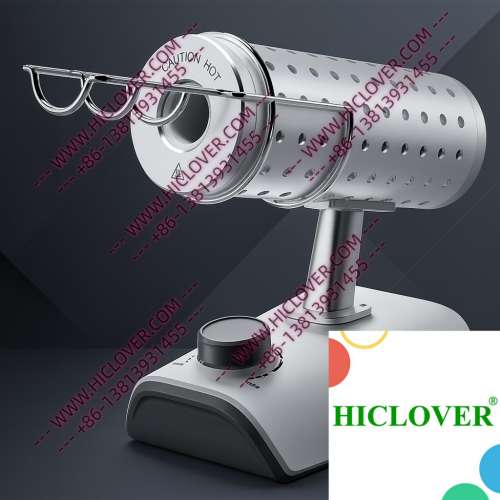
The Micro Incinerator harnesses the principles of rapid thermal sterilization, utilizing infrared heat to achieve high temperatures necessary for effective disinfection. The key component is the enclosed ceramic tube, which allows for safe and efficient heating of inoculating loops, needles, and other lab tools. Unlike open flame methods, the infrared heat generated is highly responsive, significantly reducing waiting times and enhancing workflow efficiency. The sterilization process not only eliminates pathogens but also does so in a safe, aerosol-free manner, making it ideal for clean environments.
Applications in Real Laboratories
Micro Incinerators have a wide range of applications across various lab settings:
- Biosafety Cabinets: In BSL-2 and BSL-3 laboratories, where maintaining a strict sterile environment is crucial, the use of a Micro Incinerator allows researchers to sterilize tools without introducing any new contaminants. The enclosed design minimizes aerosol production and ensures we do not compromise the integrity of the biosafety cabinet.
- Field Testing: Micro Incinerators are portable and can be used in mobile labs for field testing. For instance, when investigating environmental samples, researchers can quickly sterilize tools on-site, ensuring that results are reliable and free of cross-contamination.
- University Teaching Labs: In educational settings, Micro Incinerators provide an ideal teaching tool for laboratory techniques. Students can learn about the importance of sterile techniques without the risk associated with open flames.
- Enhanced Safety: The absence of an open flame translates to a much safer work environment, less risk of burns, and minimal fire outbreaks, particularly critical in laboratories handling flammable substances.
- Precise Sterilization: With rapid thermal sterilization technology, the device can quickly reach the necessary sterilization temperatures, ensuring that tools are ready for immediate use, which is vital during high-throughput experiments.
- Cleaner Workplaces: The enclosed design significantly reduces the risk of generating smoke and aerosols, promoting a cleaner workspace in compliance with laboratory standards.
Regulatory Compliance and Environmental Safety
Compliance with laboratory sterilization standards is paramount. Organizations such as the World Health Organization (WHO) provide guidelines emphasizing the importance of sterilization in preventing the spread of infections, particularly in clinical diagnostics and microbiological research. Traditional flame methods may not be suitable for clean rooms due to the particulate matter they release. Using a Micro Incinerator not only complies with biosafety regulations but also ensures a clean work environment that minimizes the risk of contamination.
| Feature | Micro Incinerator | Flame Sterilizers (Bunsen Burners) |
|---|---|---|
| Operational Safety | No open flame, lower risk of fire hazards | Open flame increases fire risk |
| Contamination Control | Aerosol-free with enclosed design | Risk of airborne contamination |
| Heating Efficiency | Rapid thermal response | Longer warm-up time |
| Maintenance | Low-maintenance; easy to clean ceramic | Requires frequent cleaning of burner assemblies |
Advantages Over Traditional Flame Sterilizers
Compared to traditional flame sterilizers, the Micro Incinerator offers numerous advantages:
Frequently Asked Questions
What types of tools can be sterilized with a Micro Incinerator?
The Micro Incinerator is designed to sterilize inoculating loops, needles, and other laboratory tools effectively.
Is the Micro Incinerator suitable for fieldwork?
Yes, its portable design makes it ideal for field testing in mobile labs, allowing for quick sterilization in various environments.
How does infrared heat compare to flame sterilization regarding efficiency?
Infrared heat allows for a quicker heating process, reducing waiting times and ensuring that tools can be sterilized rapidly without compromising safety.
What safety compliance standards does a Micro Incinerator meet?
It complies with WHO biosafety standards and is suitable for use in BSL-2 and BSL-3 labs, ensuring a safe and sterile working environment.
How do I maintain a Micro Incinerator?
The Micro Incinerator requires minimal maintenance, primarily focusing on keeping the ceramic tube clean and free from residue.
Conclusion
As laboratories evolve to meet increasing demands for efficiency and safety, low-maintenance sterilizers like the Micro Incinerator are becoming indispensable tools in the pursuit of contamination control and high-output laboratory performance. Upgrading from traditional flame sterilizers not only enhances operational safety but also aligns with modern laboratory practices. To learn more about how the Micro Incinerator can empower your laboratory efficiency and compliance, feel free to reach out today!
Categories:
Tags: