
In today’s laboratories, maintaining a sterile environment is crucial for preventing contamination and ensuring accurate results. Laboratories face significant biosafety challenges, particularly in high-stakes environments like BSL-2 and BSL-3 research labs, clinical diagnostics, and university teaching labs. Traditional flame sterilization methods, while prevalent for years, come with inherent risks, including the production of harmful aerosols and open flames, which can compromise safety protocols and workflows.
Transition to Modern Sterilization Equipment
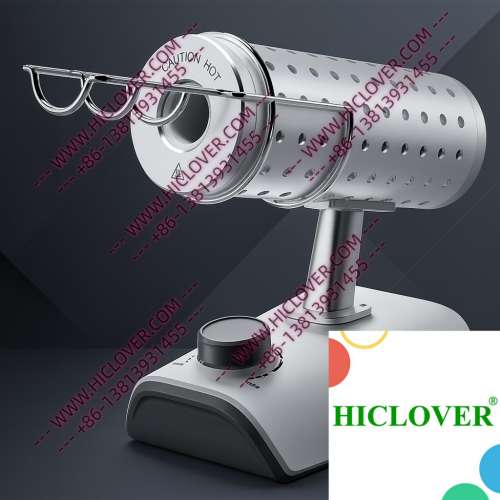
To address these concerns, laboratory professionals are increasingly turning to advanced sterilization devices. One of the most innovative solutions in this realm is the Micro Incinerator, or Infrared Inoculating Loop Sterilizer. This device employs infrared heat technology that provides rapid thermal sterilization while eliminating the dangers associated with traditional alcohol lamps and Bunsen burners.
How the Micro Incinerator Works
The Micro Incinerator features an enclosed ceramic heating chamber that generates high temperatures quickly and safely. When the inoculating loop or other laboratory tools are introduced into the infrared heating area, they are sterilized effectively without the production of fumes or flames. This not only enhances safety but also significantly reduces the time taken to achieve sterilization compared to conventional methods.
- Rapid Thermal Sterilization: Reaches temperatures sufficient for disinfecting tools in seconds.
- Aerosol-Free Handling: No harmful aerosols generated during the sterilization process.
- Clean-Bench-Safe: Suitable for use in biosafety cabinets and clean rooms.
- Reduced Risk of Fire: Eliminates the dangers associated with open flames, particularly in sensitive environments.
- No open flame mitigates fire risk.
- Faster sterilization times enhance workflow efficiency.
- Reduces aerosol generation, minimizing contamination risk.
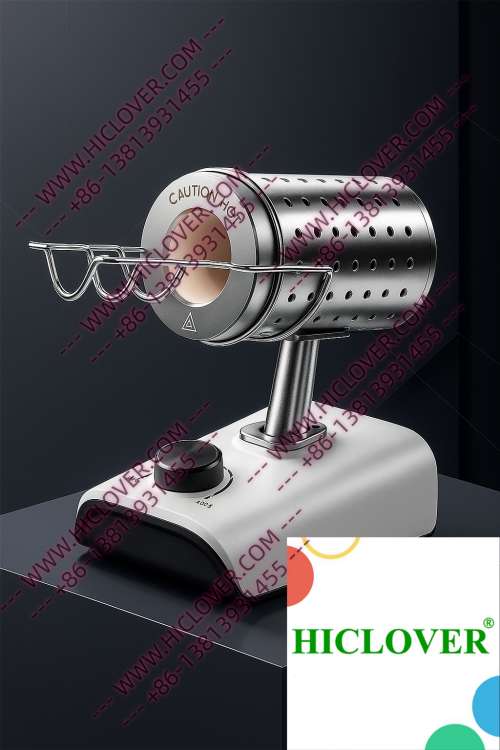
Real-World Applications of Micro Incinerators
Applications in Different Environments
Micro Incinerators have diverse applications across multiple lab settings, from field testing in remote areas to sterile environments in urban laboratories.
1. Teaching Laboratories
In academic settings, such as university microbiology practicals, instructors frequently require a safe and efficient way to demonstrate the principles of microbial isolation using sterilization techniques. The Micro Incinerator allows students to gain hands-on experience while minimizing the risk of accidents associated with flame sterilizers. As educational labs often have strict compliance requirements, this device’s ability to operate without an open flame significantly enhances classroom safety.
2. Field Testing Laboratories
Field testing laboratories conducting environmental analysis can benefit immensely from the portability and efficiency of the Micro Incinerator. Researchers working in remote areas can ensure contamination control while performing field tests without the need for bulky equipment. In such scenarios, the lightweight and compact design of the Micro Incinerator makes it an ideal solution for mobile labs.
Biosafety Compliance and Environmental Impact
Adhering to global biosafety standards is paramount in laboratory settings. The World Health Organization (WHO) outlines rigorous protocols for laboratory safety that all professionals must follow to minimize risks. The use of traditional flame sterilizers raises concerns in environments like clean rooms due to the potential for flame interference and contamination.
As the industry’s standards evolve, laboratories can no longer afford to rely on outdated methods that compromise safety and efficiency. Utilizing devices like the Micro Incinerator aligns with both national and international standards for sterilization, providing peace of mind to institutions and professionals alike.
Micro Incinerator vs. Traditional Flame Sterilizers
| Feature | Micro Incinerator | Flame Sterilizers |
|---|---|---|
| Heat Source | Infrared Heat | Open Flame |
| Time to Sterilize | Seconds | Varies (minutes) |
| Aerosol Production | No | Yes |
| Portability | High | Low |
| Safety | High | Moderate |
Frequently Asked Questions
1. How does the Micro Incinerator achieve sterilization?
The device utilizes infrared technology to quickly heat sterilization tools to high temperatures, effectively eliminating all microbial life.
2. Is the Micro Incinerator suitable for use in biosafety cabinets?
Yes, its design is compliant with clean bench standards, making it safe for use in biosafety cabinets.
3. What are the advantages of using a Micro Incinerator over traditional flame sterilizers?
4. Can it be used for field testing?
Absolutely! The Micro Incinerator’s compact design makes it ideal for mobile labs operating in the field.
5. What precautions should be taken when using a Micro Incinerator?
While it’s safer than traditional methods, it’s essential to follow the manufacturer’s instructions for use and ensure that the device is regularly maintained.
Conclusion
As laboratory demands continue to evolve, integrating modern sterilization equipment like the Micro Incinerator becomes imperative for ensuring safety, efficiency, and compliance with biosafety standards. The benefits of transitioning from traditional methods to innovative sterilization solutions are clear: enhanced safety, reduced risk of contamination, and improved workflow productivity. Contact us today to learn more about how Micro Incinerators can revolutionize your laboratory operations!
Categories:
Tags: