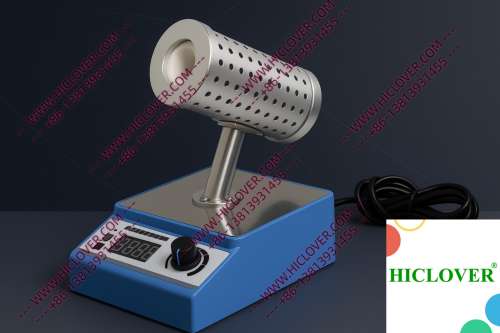
In laboratory environments, particularly in dynamic cities like Nairobi, ensuring sterility is paramount. With a growing emphasis on biosafety and contamination control, laboratories are increasingly challenged to adopt effective sterilization workflows. The advent of innovative sterilization technologies, such as the Micro Incinerator or Infrared Inoculating Loop Sterilizer, presents a solution to these pressing issues.
Understanding the Technology Behind Infrared Loop Sterilizers
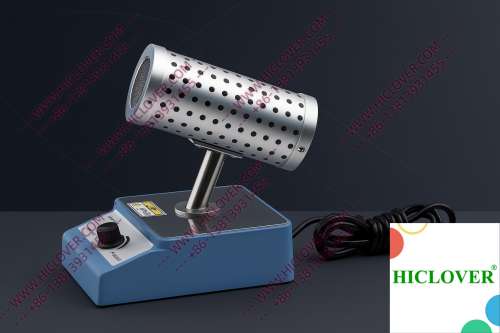
The Micro Incinerator utilizes rapid thermal sterilization principles. Unlike traditional flame sterilizers, which rely on open flames and potentially hazardous fumes, infrared sterilizers harness high-temperature disinfection via an enclosed ceramic heating chamber. This innovative design ensures that the sterilization process is not only safer but also more efficient.
When an inoculating loop or similar tools are placed within the infrared heating chamber, they are exposed to temperatures exceeding 800°C. This rapid heating process allows for a complete bactericidal effect in mere seconds, significantly reducing the risk of cross-contamination.
Practical Applications in Nairobi’s Scientific Landscape
As Nairobi emerges as a hub for scientific research and healthcare, implementing effective sterilization measures is fundamental to maintaining laboratory integrity. Here are two scenarios where Infrared Inoculating Loop Sterilizers stand out:
1. Use in BSL-2 Laboratories
In BSL-2 microbiology labs, strict adherence to biosafety protocols is crucial. The Micro Incinerator is integrated seamlessly into the sterilization workflow, providing a reliable method for decontaminating inoculating loops. It fits conveniently within a biosafety cabinet, allowing researchers to perform their tasks with confidence, knowing that potential contaminants are being effectively neutralized.
2. Field Testing Environments
Field testing in remote locations poses unique challenges; access to electrical power may be limited. The portability of the Micro Incinerator makes it ideal for mobile labs as it requires minimal power to function. Field researchers can sterilize their tools on-site, ensuring that no unwanted variables affect their results. Moreover, the absence of an open flame ensures safety in volatile environments.
Compliance with Biosafety Standards
Adhering to WHO biosafety standards is non-negotiable for any laboratory operating within Nairobi and beyond. Conventional flame sterilizers often fall short in providing the necessary safety features. The Micro Incinerator adheres to various lab sterilization standards, emphasizing environmental safety and compliance with clean-room protocols:
- No open flames, reducing the risk of accidental fires in clean environments.
- Efficient aerosol-free handling of biological materials, minimizing the risk of contamination.
- Compliance with stringent international sterilization guidelines.
Comparative Advantages of Infrared Sterilizers
The table below illustrates the significant advantages of Micro Incinerators over traditional flame burners:
| Feature | Micro Incinerator | Flame Burners |
|---|---|---|
| Safety | Enclosed system with no open flame | Open flame increases fire risk |
| Time Efficiency | Rapid thermal control | Slower heating and cooling cycles |
| Contamination Control | Aerosol-free, reduces cross-contamination | Potential for aerosols and splatter |
| Portability | Lightweight and portable for fieldwork | Generally bulkier and stationary |
Frequently Asked Questions
1. What is the operating mechanism of the Micro Incinerator?
The Micro Incinerator employs infrared radiation to rapidly heat sterilization tools to high temperatures, ensuring effective disinfection without exposing users to open flames.
2. How does the Micro Incinerator ensure contamination control?
Its enclosed design eliminates the possibility of aerosols being released during the sterilization process, significantly lowering the risk of cross-contamination in sensitive lab environments.
3. Can the Micro Incinerator be used outdoors?
Yes, its lightweight design and independence from conventional power sources make it ideal for use in both laboratory and outdoor settings.
4. Is the Micro Incinerator compliant with WHO biosafety standards?
Absolutely. The Micro Incinerator meets international safety and sterilization standards, making it a compliant choice for laboratories focused on biosafety.
5. How does this sterilization technology compare to traditional methods?
Compared to traditional methods, the Micro Incinerator is safer, faster, and more efficient, reducing overall contamination risks and increasing laboratory productivity.
Conclusion: Elevate Your Laboratory Sterilization Standards
As Nairobi’s laboratories continue to evolve and expand, adopting innovative sterilization technologies like the Micro Incinerator / Infrared Inoculating Loop Sterilizer is essential for meeting biosafety demands and ensuring accurate scientific outcomes. By incorporating this advanced solution, labs can enhance safety, efficiency, and compliance with regulatory standards. For inquiries and to explore purchase opportunities, please contact us today!
Categories:
Tags: