
Laboratories across Mozambique face significant biosafety challenges, particularly in the realms of sterilization workflows. With rising demands for high-quality laboratory sterilization equipment, including the Micro Incinerator or Infrared Inoculating Loop Sterilizer, it’s more important than ever for healthcare institutions to adopt advanced technologies that ensure contamination control and safety. As the adoption of these loop sterilizers increases, so too does the urgency for healthcare professionals to understand their requirements and workflows.
The Need for Efficient Laboratory Sterilization
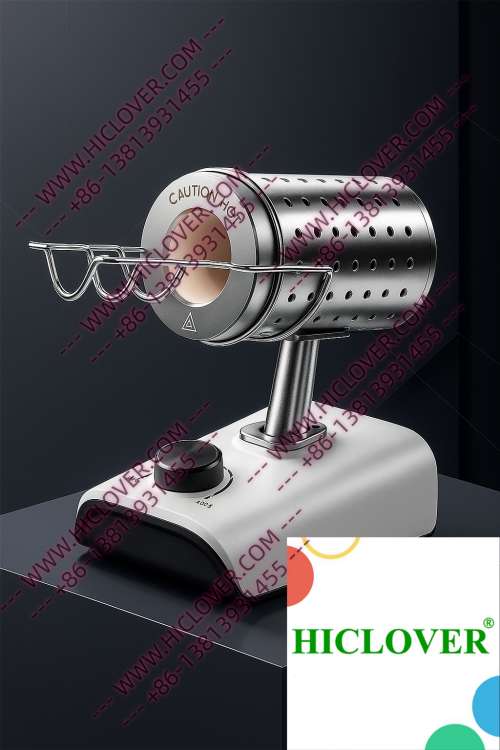
The primary purpose of sterilization in laboratories is to prevent contamination during experiments and analysis. Traditional flame sterilizers, such as alcohol lamps and Bunsen burners, may not always meet the strict biosafety standards required in modern laboratory environments. These older methods often introduce variables such as smoke, flames, and aerosols, which can compromise sterile conditions. In contrast, the Micro Incinerator utilizes infrared heat technology for rapid thermal sterilization, a clean, efficient, and efficient method for eliminating microbial life.
Technical Principles of the Micro Incinerator
The Micro Incinerator operates on a simple yet effective principle: using infrared radiation to generate high temperatures for precise sterilization. Key components include:
- Enclosed Ceramic Tube: This unique heating chamber facilitates an environment where temperatures can reach up to 800°C, far surpassing conventional sterilization methods.
- Infrared Heating: This high-temperature disinfection process minimizes contamination risks while ensuring materials are rapidly sterilized.
- Compact Design: Its portable configuration makes it suitable for both laboratory and field applications.
- What is a Micro Incinerator and how does it work?
A Micro Incinerator is a compact sterilization device that uses infrared heat to disinfect laboratory instruments, ensuring rapid and effective microbial control.
- Why is the Micro Incinerator preferred over traditional flame methods?
It offers greater safety, efficient temperature control, portability, and minimizes contamination risks compared to flame sterilizers.
- Is the Micro Incinerator suitable for use in field settings?
Yes, its compact size allows it to be easily transported and used in field testing labs, making it ideal for mobile healthcare applications.
- How does the Micro Incinerator meet WHO biosafety standards?
It operates without an open flame, which is crucial for maintaining sterile environments and reducing the risk of aerosol release.
- What applications can benefit most from using a Micro Incinerator?
Biosafety cabinets in BSL-2/BSL-3 labs and mobile or field testing labs are prime examples of environments where this device excels.
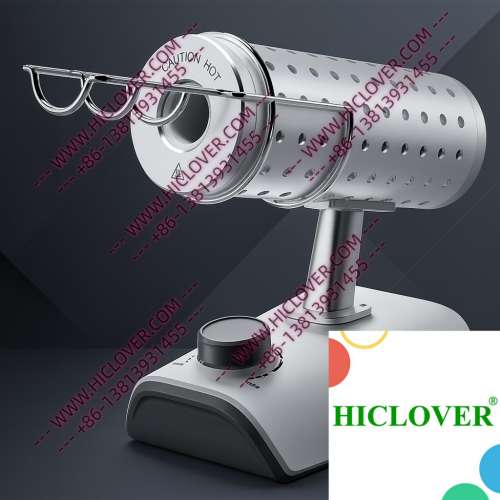
With such features, the Micro Incinerator stands out in laboratory sterilization options, providing an alternative that respects both strict biosafety protocols and the practical demands of modern laboratory work.
Applications in Real Laboratory Settings
Biosafety Cabinets
In BSL-2 and BSL-3 labs, where samples may contain pathogenic microorganisms, the Micro Incinerator proves invaluable. When utilized within biosafety cabinets, it provides a reliable method for sterilizing inoculating loops and other implements without the risk of flame-related accidents or the introduction of contaminants. This is particularly pertinent in clinical diagnostics and infectious disease research settings.
Field Testing Labs
Field testing scenarios often require mobile sterilization solutions. The compact Micro Incinerator is optimal for use in remote clinical settings, allowing healthcare professionals to perform sterilization right at the site of sample collection. This portability ensures that routine procedures can be effectively executed without reliance on electricity-powered sterilizers, making it ideal for NGOs operating in rural Mozambique.
Compliance and Environmental Considerations
Compliance with biosafety and laboratory sterilization standards is imperative in today’s healthcare environment. The World Health Organization (WHO) has established guidelines that emphasize non-flame sterilization practices, particularly in clean rooms and research laboratories. The Micro Incinerator aligns with these standards, offering a flame-free alternative that reduces the risk of contamination and enhances safety protocols. By minimizing aerosol emissions, it contributes to a healthier laboratory environment for both staff and patients. As healthcare institutions in Mozambique implement these standards, the Micro Incinerator stands as an exemplary model of biosafety compliance.
Micro Incinerator vs. Traditional Flame Sterilizers
| Feature | Micro Incinerator | Traditional Flame Sterilizers |
|---|---|---|
| Temperature Control | Up to 800°C with precision | Variable, less reliable temperature |
| Safety | No open flames; reduced contamination risk | Open flames increase fire hazards |
| Portability | Compact and mobile | Bulky and less convenient for field use |
| Cycle Time | Rapid thermal sterilization | Longer sterilization time |
FAQs about the Micro Incinerator
Conclusion: Elevate Your Laboratory Standards with Modern Solutions
As the healthcare landscape in Mozambique continues to evolve, equipping laboratories with advanced sterilization technologies like the Micro Incinerator is essential. With its unmatched efficiency and adherence to safety protocols, the device not only streamlines sterilization workflows but also enhances biosafety compliance. For more information or to explore procurement options, please reach out to us today to discuss how the Micro Incinerator can be a transformative addition to your laboratory.
Categories:
Tags: