
As Sudan’s public health sector strives to improve outcomes in clinical diagnostics and microbiological research, the pressing need for effective laboratory biosafety solutions becomes increasingly apparent. The demand for efficient sterilization workflows to prevent contamination is paramount in various laboratory settings. One such game-changing innovation is the Micro Incinerator / Infrared Inoculating Loop Sterilizer, which addresses these challenges with remarkable efficiency.
Understanding the Technical Principles
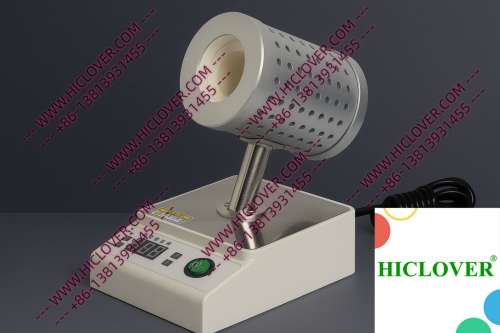
At the heart of the Micro Incinerator’s effectiveness is its use of infrared heat within an enclosed ceramic tube. Unlike traditional flame-based sterilizers such as alcohol lamps and Bunsen burners, this modern device rapidly generates intense heat utilizing an electric power source, enabling quick and thorough sterilization of inoculating loops and other small laboratory tools. The ceramic heating chamber allows for reliable temperature control, ensuring that contamination is eliminated without the risks associated with open flames, such as fire hazards and aerosol generation.
Applications in Real Lab Environments
The versatility of the Micro Incinerator shines in various laboratory settings, including:
- Biosafety Cabinet Usage: In BSL-2 and BSL-3 laboratories, where the handling of potentially dangerous pathogens is routine, using a Micro Incinerator significantly enhances safety protocols. The device can be seamlessly integrated into existing workflows, allowing for sterile handling of materials in conjunction with the biosafety cabinet’s protective environment.
- Field Testing: For mobile laboratories conducting tests in remote areas of Sudan, the portability and streamlined sterilization process of the Micro Incinerator offer invaluable advantages. Field technicians can safely sterilize tools on-site, ensuring accuracy in sample collection without the ongoing need for access to traditional lab environments.
Comparison: Micro Incinerator vs. Traditional Flame Sterilizers
| Feature | Micro Incinerator | Traditional Flame Sterilizer |
|---|---|---|
| Heat Generation | Infrared | Open Flame |
| Risk of Contamination | Low | High |
| Temperature Control | Precise | Variable |
| Required Safety Gear | Minimal | Significant |
Regulatory Compliance and Environmental Considerations
As facilities seek to uphold WHO biosafety guidelines and local regulatory standards, the use of flame sterilizers in cleanrooms poses specific challenges. Avoiding open flames is essential to minimize contamination risks and protect laboratory personnel. The Micro Incinerator satisfies these compliance needs while also promoting efficient laboratory workflows. Adopting such sterilization solutions aligns with global efforts to enhance public health through improved laboratory safety.
Contribution to Sudan’s Health Sector
The integration of Micro Incinerators in Sudan’s health labs significantly supports the country’s effort to combat infectious diseases. This innovation empowers research centers and academic institutions to enhance their laboratory capabilities while safeguarding human health. For universities, the Micro Incinerator provides an excellent educational tool for students in microbiology labs, allowing them to learn proper sterilization techniques without the inherent risks of flame usage.
FAQs About Loop Sterilizers
What is a Micro Incinerator, and how does it work?
A Micro Incinerator is a laboratory sterilization device that uses infrared heat to rapidly sterilize inoculating loops and other tools within a confined heating chamber, making it a safe alternative to flame sterilizers.
Why should labs choose a Micro Incinerator over traditional flame sterilizers?
Micro Incinerators offer precise temperature control, reduced contamination risk, and less exposure to hazardous fumes, ensuring safer lab environments and streamlined workflows.
Are Micro Incinerators compliant with international biosafety standards?
Yes, Micro Incinerators are designed to meet WHO biosafety guidelines and other local regulatory standards, making them suitable for various types of laboratory settings.
In what laboratory settings are Micro Incinerators most useful?
Micro Incinerators are particularly advantageous in BSL-2 and BSL-3 labs, field testing environments, and teaching laboratories where the risks associated with flame sterilizers can be minimized.
What maintenance is required for a Micro Incinerator?
Regular cleaning and inspection of the ceramic heating elements and the overall unit will ensure optimal performance and longevity, along with following manufacturer recommendations for usage and care.
Conclusion: A Step Toward a Safer Future
As Sudan advances in its public health initiatives, integrating modern sterilization equipment like the Micro Incinerator / Infrared Inoculating Loop Sterilizer into laboratory practices represents a significant step forward. By mitigating contamination risks and enhancing laboratory safety, these devices not only elevate research standards but also protect public health at large. To explore how these innovative solutions can benefit your laboratory, don’t hesitate to reach out today!
Categories:
Tags: