
In many laboratories, especially in developing regions like Ethiopia, the challenge of biosafety and the need for efficient sterilization workflows are ever-present. Laboratory sterilization equipment plays a crucial role in maintaining sterile environments, which is paramount for reliable research outcomes. As the demand for innovative solutions increases, so does the necessity for systems that are not only effective but also sustainable.
Biosafety Challenges and Laboratory Sterilization Demands
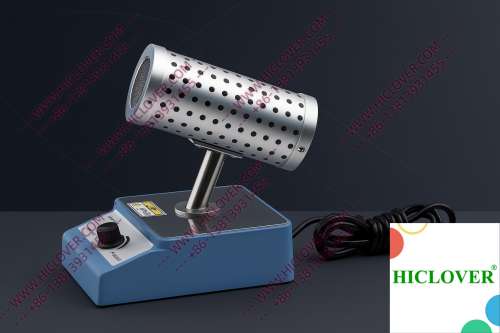
Laboratories, whether they are BSL-2 or BSL-3 microbiology facilities, face unique biosafety challenges. Contamination control is critical, as even minute contaminants can compromise experiments or lead to dangerous outbreaks. Traditional methods, like alcohol lamps and Bunsen burners, often pose additional risks, including flames that can disrupt sterile airflow in biosafety cabinets. Furthermore, these methods generate aerosols that can harbor pathogens, endangering lab personnel.
This is where micro incinerators, particularly the Infrared Inoculating Loop Sterilizer, emerge as a revolutionary solution for sterilization needs. Unlike conventional flame sterilizers, these devices utilize rapid thermal sterilization, providing a clean, safe, and efficient method for sterilizing inoculating loops, needles, and other laboratory equipment.
Technical Principles Behind Micro Incinerators
Micro incinerators operate on the principles of infrared heat technology. They consist of an enclosed ceramic heating chamber that reaches high temperatures rapidly, which assures effective disinfection without the hazards associated with open flames. The infrared radiation emanating from the ceramic tube uniformly applies heat, ensuring that all parts of the sterilized equipment receive the necessary thermal treatment to eliminate pathogens.
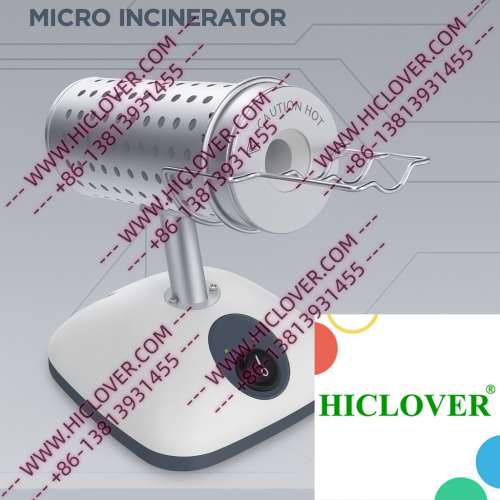
Product Configuration
The design of a typical Infrared Inoculating Loop Sterilizer includes:
- Infrared Heating Element: Generates heat quickly and efficiently.
- Enclosed Ceramic Tube: Provides safety by containing the heat and minimizing aerosol generation.
- Adjustable Temperature Controls: Allows precise setting based on specific sterilization needs.
- Compact Design: Facilitates easy integration into limited laboratory space or fieldwork setups.
Applications in Real Labs
Micro incinerators have found diverse applications across various laboratory settings. Here are two prominent scenarios:
1. Biosafety Cabinets
Within BSL-2 and BSL-3 microbiology labs, where safety is paramount, micro incinerators are ideal for sterilizing tools in biosafety cabinets. Given that these labs handle potentially infectious materials, the ability to sterilize equipment without causing disruptions is vital. The compact and flame-free operation of an Infrared Inoculating Loop Sterilizer protects the sterile environment while ensuring that workspace safety is maintained.
2. Field Testing and Teaching Labs
In mobile or field testing labs, particularly in regions like Ethiopia where the infrastructure may be limited, the portability and efficiency of micro incinerators make them invaluable. These devices can be used in remote locations for quick sterilization, minimizing contamination during tests. Similarly, in university teaching labs, they offer a safe learning platform by enabling students to practice sterilization techniques without the risk associated with flame methods.
Compliance and Environmental Considerations
The importance of compliance with WHO biosafety standards cannot be overstated. Failure to adhere to lab sterilization standards can lead to severe consequences, including contamination and health risks. Unlike traditional open-flame sterilizers, micro incinerators contribute positively to maintaining clean rooms because of their non-flame operation and reduced risk of aerosol generation.
Moreover, the sustainable aspect of micro incinerators aligns seamlessly with Ethiopia’s push for renewable energy through waste-to-energy initiatives. By converting laboratory waste into energy, these devices support environmental goals while promoting laboratory efficiency.
Micro Incinerator vs. Traditional Flame Sterilizers
| Feature | Micro Incinerator | Flame Sterilizer |
|---|---|---|
| Heat Source | Infrared | Open flame |
| Safety | Low risk, no flame exposure | High risk, potential for burns |
| Aerosol Production | Minimal | High |
| Thermal Uniformity | Consistent and controlled | Varies |
| Compliance | Meets WHO standards | Limited in clean environments |
Frequently Asked Questions (FAQs)
What are the advantages of using a micro incinerator over traditional sterilization methods?
Micro incinerators provide faster sterilization, enhanced safety due to their non-flame operation, and reduced risk of contamination from aerosols, making them ideal for sensitive laboratory environments.
Can micro incinerators be used in field testing labs?
Yes, their compact design and efficient sterilization capabilities make them suitable for mobile and field testing labs, especially in regions with limited resources.
How do micro incinerators comply with international biosafety standards?
Micro incinerators adhere to WHO biosafety standards by providing a flame-free sterilization method that minimizes the risk of contamination and maintains cleanroom integrity.
Are micro incinerators safe for teaching labs?
Absolutely. Their design eliminates open flames, making them safer for students to learn and practice sterilization techniques without the associated risks.
What types of materials can be sterilized using micro incinerators?
Micro incinerators can sterilize inoculating loops, needles, and other small laboratory instruments effectively due to their high-temperature capabilities.
Conclusion
As Ethiopia continues to develop its scientific infrastructure and embrace sustainability, micro incinerators are essential equipment that blends safety, efficiency, and environmental responsibility. By transitioning to such innovative sterilization systems, laboratories can meet their biosafety demands effectively. For those looking to invest in high-quality micro incinerators or are interested in exploring this technology further, feel free to reach out for assistance. Together, we can promote a safer and more sustainable research landscape.
Categories:
Tags: