
In today’s laboratory environments, especially within Germany’s state-of-the-art surgical and clinical facilities, the need for rigorous biosafety measures and efficient sterilization workflows is paramount. Laboratories encounter numerous challenges including contamination control, rapid sterilization timelines, and the implementation of safe handling techniques. Traditional methods such as alcohol lamps and Bunsen burners have been widely used; however, advancements in sterilization technology are shifting standards, with the Micro Incinerator / Infrared Inoculating Loop Sterilizer leading the charge.
Technical Principles of the Infrared Inoculating Loop Sterilizer
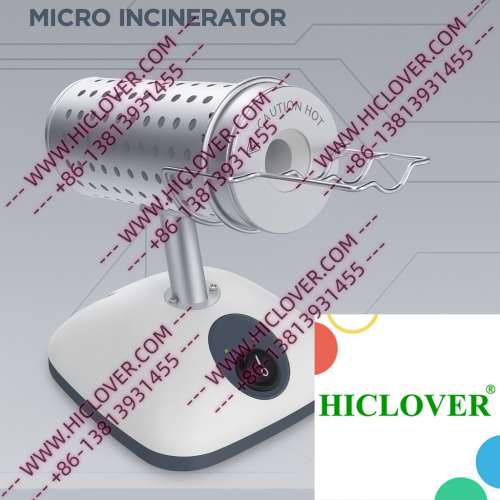
The Micro Incinerator employs infrared high-temperature disinfection technology within an enclosed ceramic heating chamber. This compact device provides rapid thermal sterilization to inoculation loops, needles, and other laboratory tools by generating intense, localized heat that ensures complete sterilization without the risks associated with open flames.
With a heating element capable of reaching temperatures upwards of 800°C, the sterilizer provides consistent and reliable results, effectively inactivating all forms of microbial life including bacteria and viruses. Its efficient design not only enhances safety, but also minimizes the production of aerosols, which is particularly critical in high-stakes environments such as biosafety level 2 (BSL-2) or level 3 (BSL-3) laboratories.
Application Scenarios in Real Labs
1. Teaching Laboratories
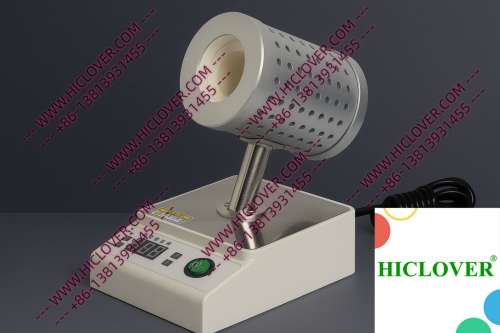
In universities across Germany, microbiology programs have increasingly adopted the Micro Incinerator as part of their laboratory training curriculum. The ability to demonstrate rapid sterilization techniques in a clean-bench-safe environment allows students to learn critical hands-on skills without the hazards associated with flame-based methods. Students can efficiently sterilize inoculating loops while focusing on sterile techniques, fostering a practical understanding of biosafety protocols.
2. Field Testing Laboratories
Field testing scenarios, especially those involving mobile labs for clinical diagnostics, greatly benefit from the portability and safety of the Micro Incinerator. In locations where conventional heating may pose hazards, this device allows for immediate sterilization during sampling processes. The compact design makes it an ideal solution for rural health initiatives and NGOs conducting on-site microbiological assessments while adhering to WHO biosafety standards.
Compliance and Environmental Considerations
Compliance with international biosafety standards is essential for any laboratory operation. The WHO (World Health Organization) outlines extensive guidelines for laboratory safety, emphasizing the need for efficient sterilization methods to mitigate contamination risks. The Micro Incinerator supports these initiatives by providing a no-flame solution that meets lab sterilization standards. Moreover, its aerosol-free handling reduces the environmental footprint often exacerbated by ash and smoke from traditional flame sterilizers, creating a sustainable option for modern labs.
Advantages of the Micro Incinerator vs. Traditional Flame Sterilizers
| Feature | Micro Incinerator | Flame Sterilizers |
|---|---|---|
| Temperature Control | Rapid thermal sterilization up to 800°C | Variable temperatures, less control |
| Aerosol Production | Aerosol-free handling | Generates aerosols, potential contamination risks |
| Safety | No open flame, reduced fire hazards | Risk of burns and ignition |
| Efficiency | Fast sterilization cycles | Longer wait times for flame heating |
| Environmentally Friendly | Lower environmental impact | Burning fuels contribute to pollution |
Frequently Asked Questions
- What are the key benefits of using the Micro Incinerator in laboratory settings? The Micro Incinerator provides rapid sterilization, enhances safety with no open flames, reduces aerosol production, and meets stringent biosafety compliance.
- How does the Micro Incinerator differ from conventional sterilization methods? Unlike traditional methods such as alcohol lamps, the Micro Incinerator uses infrared heat, offering greater control, efficiency, and safety in sterilization practices.
- Can the Micro Incinerator be used in field conditions? Yes, its portable design makes it suitable for field testing laboratories and mobile clinical diagnostics.
- What materials can be sterilized with the Micro Incinerator? It is designed to sterilize inoculating loops, needles, and small metal instruments commonly used in microbiological tests.
- Is the Micro Incinerator compliant with WHO biosafety standards? Yes, it adheres to WHO guidelines for lab safety and sterilization practices.
Conclusion
As the landscape of laboratory practices continues to evolve, the Micro Incinerator / Infrared Inoculating Loop Sterilizer represents a revolution in maintaining stringent sterilization standards and enhancing laboratory safety protocols. With growing demand in clinical diagnostics, teaching labs, and field testing environments, investing in this technology positions laboratories at the forefront of biosafety and efficiency. If you are looking to upgrade your sterilization practices, feel free to reach out for further information on our Micro Incinerator solutions.
Categories:
Tags: