
In the ever-evolving field of microbial research, laboratories face significant biosafety challenges and sterilization workflow demands. The necessity for reliable and efficient laboratory sterilization equipment has led to increased adoption of Micro Incinerators, specifically Infrared Inoculating Loop Sterilizers. This guide will delve into the technical principles, application scenarios, compliance standards, and best practices for using these advanced sterilizers in various laboratory environments.
Understanding the Technical Principles
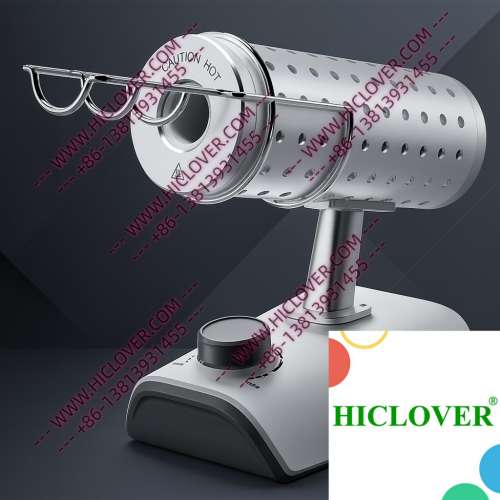
The Infrared Inoculating Loop Sterilizer represents a paradigm shift in laboratory sterilization technology. Utilizing rapid thermal sterilization, this device employs infrared heat produced by an enclosed ceramic tube. Unlike traditional flame sterilizers, which can introduce contaminants and require careful handling, infrared sterilizers provide a cleaner, safer alternative. The high-temperature disinfection capabilities of these units ensure effective contamination control, making them particularly suitable for various laboratory applications.
One of the key advantages of this system is its clean-bench-safe operation, which minimizes the risk of aerosol generation, thus protecting laboratory personnel and sensitive samples from unwanted exposure. Traditional flame methods such as alcohol lamps and Bunsen burners pose several risks, including open flames and increased chances of cross-contamination – issues that the infrared sterilizer effectively mitigates.
Applications in Real Labs
Biosafety Cabinets: Enhancing Sterilization Efficiency
In BSL-2 and BSL-3 microbiology labs, the use of Infrared Inoculating Loop Sterilizers has been adopted for their low-risk profile. When operated within biosafety cabinets, these sterilizers eliminate the potential hazards associated with flame-based sterilization. Researchers can quickly sterilize inoculating loops without disrupting the controlled environment of the cabinet. This is crucial for studies involving pathogenic microorganisms, where sterile techniques are paramount.
Field Testing: Adapting to Unique Environments
Field testing often presents unique challenges that are hard to address with traditional sterilizers. In mobile labs, where electricity supply might be inconsistent, many infrared sterilizers have portable models. These can be powered through batteries, allowing for onsite sterilization of tools and instruments. Rapid thermal sterilization ensures that samples collected from remote locations are processed efficiently, maintaining the integrity essential for accurate research outcomes.
Compliance and Environmental Standards
Adhering to biosafety standards is vital for research institutions, and the Infrared Inoculating Loop Sterilizer aligns perfectly with the guidelines established by the World Health Organization (WHO) and other regulatory bodies. The absence of an open flame helps facilities meet stringent lab sterilization standards, especially in clean rooms where such hazards are unacceptable. Facilities can ensure compliance with regulations while safeguarding practice in environments that demand both safety and high cleanliness levels.
Comparing Safety Standards: Infrared Sterilizers vs. Traditional Methods
| Feature | Micro Incinerator | Flame Sterilizer |
|---|---|---|
| Type of Heat | Infrared | Open Flame |
| Risk of Contamination | Minimized | Increased |
| Operational Safety | High | Moderate |
| Ease of Use in Clean Rooms | Excellent | Poor |
FAQs About Loop Sterilizers
- What is the lifespan of an Infrared Inoculating Loop Sterilizer? Typically, these units are designed for long-term use and can last several years with proper maintenance.
- Can the sterilizer be used for larger instruments? While primarily designed for inoculating loops, many models can accommodate small tools, but always check specifications.
- Are there any specific maintenance requirements? Routine cleaning and inspection of the heating element are advised to maintain optimal performance.
- What are the power requirements for portable models? Many portable models operate on battery power or can be charged via standard electrical outlets.
- How does the sterilization time compare to traditional methods? Infrared sterilizers generally achieve effective sterilization within seconds, significantly faster than traditional flame methods.
Conclusion: Elevate Your Laboratory Practices
As laboratory needs continue to evolve, adopting modern sterilization solutions like Infrared Inoculating Loop Sterilizers is imperative. Their efficiency and safety make them a preferred choice in various environments, from clinical diagnostics to university teaching labs. Transitioning to these advanced devices can enhance your laboratory’s operational safety while ensuring compliance with biosafety standards.
If you’re ready to invest in improving your lab’s sterilization workflow and would like to explore high-quality sterilization equipment, please don’t hesitate to contact us for more information or to make a purchase. Let’s elevate your microbial research today!
Categories:
Tags: