
In the fast-paced environment of microbiology laboratories, biosafety challenges are an everyday reality. Ensuring contamination control while maintaining efficiency is critical, especially when dealing with various pathogens in BSL-2 or BSL-3 settings. Among the essential equipment employed in this endeavor is the Micro Incinerator, specifically designed for infrared inoculating loop sterilization. This high-performance sterilization solution not only addresses the elimination of microbial life but does so without the risks associated with traditional flame sterilizers.
The Technical Principles Behind Micro Incinerators
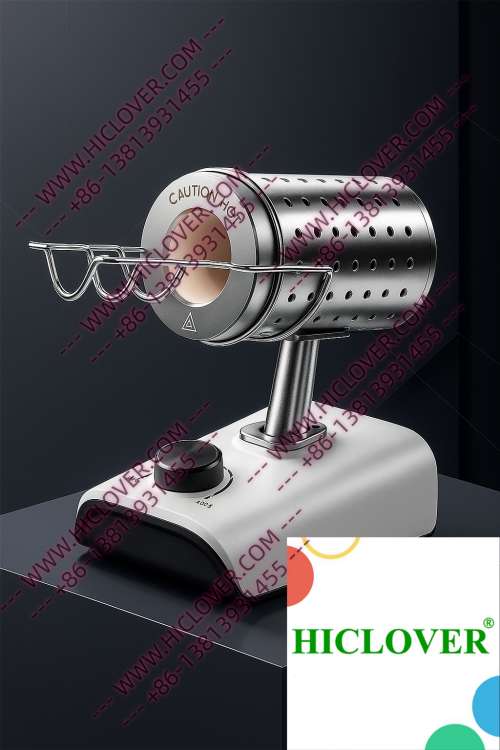
The Micro Incinerator operates on the principle of rapid thermal sterilization. Within its ceramic heating chamber, infrared heat is generated, producing instantaneous temperatures that range significantly higher than traditional flame sources. This enclosed ceramic tube ensures that the method remains free of aerosol generation, which is a crucial consideration in maintaining a sterile environment. The infrared inoculating loop sterilizer essentially utilizes controlled high-temperature disinfection, allowing for thorough sterilization within seconds.
Why Choose a Micro Incinerator Over Traditional Flame Sterilizers?
Unlike alcohol lamps or Bunsen burners, Micro Incinerators possess numerous advantages:
- Safety: Fire hazards are significantly reduced, making them ideal for clean room environments.
- Efficiency: Achieve sterilization in seconds, enhancing lab workflow and productivity.
- Environmentally Friendly: Generates minimal smoke and no open flame, reducing the risk of contamination.
- Versatility: Suitable for a variety of applications and environments without compromising biosafety standards.
Real Lab Applications of Micro Incinerators
The adaptability of Micro Incinerators makes them invaluable in diverse laboratory settings. Below are two application scenarios where their functionality shines.
1. Biosafety Cabinets
In BSL-2 and BSL-3 microbiology labs, maintaining a sterile environment is paramount. Micro Incinerators offer a clean-bench-safe solution for sterilizing inoculating loops and other small instruments directly within the biosafety cabinet. Labs can easily integrate these devices into their workflows as they do not compromise airflow, critical for pathogen containment. The rapid heating capability ensures that laboratory personnel can continuously perform procedures without interruption.
2. Field Testing
Mobile labs utilized for field testing often encounter unique challenges, including space constraints and the risk of contamination. Micro Incinerators provide an efficient, portable solution for sterilizing equipment in remote locations. Their compact design and the absence of flames ensure safety and compliance with biosafety guidelines, allowing researchers to focus on collecting samples and conducting analyses without the stress of potential contamination.
Compliance with Industry Standards
Adhering to regulatory standards is critical for any laboratory when considering sterilization equipment. The WHO provides strict biosafety guidelines that emphasize the importance of using non-flame sterilizers in clean environments. Additionally, lab sterilization standards around the globe advocate for equipment that minimizes contamination, especially in acute care settings and research laboratories. Micro Incinerators comply with these exacting standards, making them a preferred choice for health institutions and research centers worldwide.
| Feature | Micro Incinerator | Flame Burners |
|---|---|---|
| Safety | Low risk, no open flame | High risk, open flame |
| Efficiency | Sterilizes in seconds | Time-consuming |
| Environmental Impact | Minimal smoke, no inhalation risks | Smoke emissions, fire hazards |
| Application Versatility | Field, teaching, and clinical labs | Limited to controlled environments |
FAQs about Micro Incinerators
What is a Micro Incinerator?
A Micro Incinerator is a laboratory sterilization device that utilizes infrared heat to achieve rapid thermal sterilization of inoculating loops and other small instruments, ensuring contamination control without the risks of flame-based devices.
How does infrared sterilization work?
Infrared sterilization is achieved through the application of high temperatures within an enclosed ceramic tube, allowing for immediate disinfection of laboratory instruments without aerosol production.
Are Micro Incinerators safe for field labs?
Yes, Micro Incinerators are designed for portability and safety, making them ideal for field testing environments where traditional flame sterilization poses hazards.
Can Micro Incinerators be used in university teaching labs?
Absolutely. Their ease of use, high efficiency, and compliance with biosafety standards make them suitable for educational settings where students learn about microbiological techniques.
How do Micro Incinerators compare to traditional flame sterilizers in terms of cost?
While Micro Incinerators may have a higher upfront cost, their efficiency, reduced waste, and safety features often lead to significant long-term savings in comparison to traditional flame sterilizers.
Conclusion: Embrace Safety and Efficiency with Micro Incinerators
Choosing a Micro Incinerator for your laboratory sterilization needs isn’t just about compliance; it’s about embracing a new standard of safety and efficiency. As laboratories strive to meet contemporary biosafety demands, this advanced technology serves as both a solution to waste management and a cornerstone of safety in any sterile environment. If you’re considering upgrading your sterilization equipment, don’t hesitate to reach out for more information or to make a purchase today!
Categories:
Tags: