
In the realm of pathology laboratories, maintaining stringent biosafety standards is critical. Every laboratory faces unique sterilization workflow challenges, particularly when handling potentially infectious materials. The device that has emerged as a preferred solution is the Micro Incinerator or Infrared Inoculating Loop Sterilizer. This innovative equipment addresses the need for effective sterilization while adhering to regulatory guidelines, ensuring safety, efficiency, and compliance in sterile environments.
The Technical Principles Behind Micro Incinerators
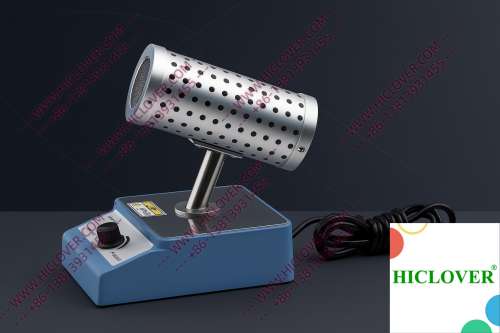
The Micro Incinerator operates on the principle of rapid thermal sterilization using infrared heat. Inside the device lies an enclosed ceramic heating chamber where sterilization occurs. When activated, the ceramic tube reaches high temperatures almost instantaneously, effectively incinerating contaminants. This method is not only efficient but also minimizes the risk of aerosol generation, making it suitable for clean bench environments.
Compared to traditional flame-based sterilizers like alcohol lamps and Bunsen burners, the Micro Incinerator provides several distinct advantages:
- Contamination Control: Non-open flames reduce the risk of igniting materials in highly sensitive environments.
- Speed: Quick heating times promote rapid cycle turnover.
- Safety: With no flames present, the possibility of accidental burns or fires in labs decreases significantly.
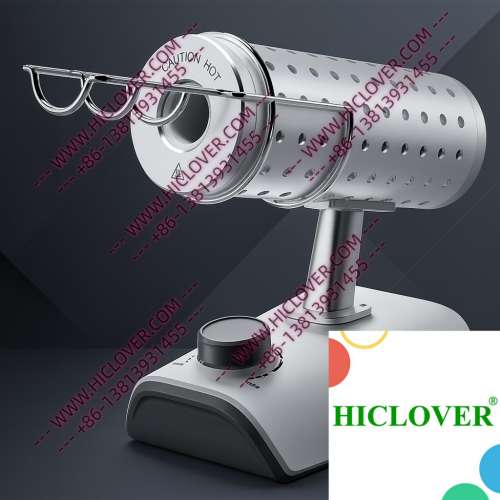
Application Scenarios in Laboratories
The versatility of the Micro Incinerator makes it ideal for various laboratory applications:
1. Teaching Laboratories
In university teaching labs, where safety and educational effectiveness are paramount, the Micro Incinerator allows students to practice sterilization techniques without the hazards associated with flame burners. Training sessions can emphasize safe handling of microbial samples while ensuring compliance with biosafety standards.
2. Field Testing and BSL-2 Labs
When conducting field tests in BSL-2 or BSL-3 microbiology labs, scientists require reliable sterilization equipment that is portable and efficient. The Micro Incinerator’s compact size and battery-operated options make it suitable for mobile usage, ensuring that protocols are followed even in remote locations where access to traditional types of sterilizers may be inhibited.
Compliance with Regulatory Standards
Meeting regulatory standards is a fundamental component of laboratory operations. The World Health Organization’s (WHO) guidelines on biosafety stress the need for adequate sterilization techniques to prevent cross-contamination and ensure the safety of laboratory personnel.
Specifically, for sterility assurance within clean rooms, devices that eliminate open flames are preferred. Using a Micro Incinerator in place of traditional sterilizers mitigates the risk of combustibles igniting in sensitive areas.
Furthermore, various laboratory sterilization standards require that equipment be easy to operate and effectively reduce contamination risk, aligning well with the characteristics of the Micro Incinerator.
Frequently Asked Questions (FAQs)
What are the main benefits of using a Micro Incinerator over traditional flame sterilizers?
The Micro Incinerator’s benefits include greater safety through the absence of open flames, efficient rapid thermal sterilization, and improved contamination control, making it ideal for sensitive laboratory environments.
Can the Micro Incinerator be used in BSL-3 laboratories?
Yes, the Micro Incinerator is designed to comply with the safety requirements of BSL-3 laboratories, providing suitable sterilization methods while maintaining a safe work environment.
How does the Micro Incinerator contribute to infection control?
This device effectively eliminates microorganisms by rapidly heating and incinerating them, thus significantly reducing the risk of contamination and pathogen spread in laboratory settings.
Is the Micro Incinerator suitable for field testing?
Absolutely! Its compact design and efficient operation make it well-suited for field testing applications, especially in areas where traditional sterilization methods may not be feasible.
What maintenance is required for a Micro Incinerator?
Regularly check the ceramic tube for wear and ensure the electrical components are functional. Routine cleaning of surfaces is recommended to maintain peak performance and hygiene.
Summary Table: Micro Incinerator vs. Flame Sterilizers
| Feature | Micro Incinerator | Flame Sterilizer |
|---|---|---|
| Heating Method | Infrared | Open Flame |
| Safety | High (no flames) | Moderate (risk of fire) |
| Speed | Rapid | Variable |
| Contamination Risk | Low (aerosol-free) | Higher (open flames) |
Conclusion
As laboratories continue to prioritize safety and efficiency, the importance of compliant sterilization practices cannot be overstated. The Micro Incinerator or Infrared Inoculating Loop Sterilizer stands out as a superior choice, expertly aligning with global biosafety requirements. Its advantages over traditional flame sterilizers present a compelling argument for laboratories looking to enhance their sterilization workflows.
If you are ready to elevate your laboratory’s sterilization capabilities, consider adding the Micro Incinerator to your equipment lineup. For inquiries or further information regarding our products, don’t hesitate to contact us or explore our catalog.
Categories:
Tags: