
Maintaining a sterile environment in research and clinical settings is critical for preventing contamination. Laboratories, including BSL-2 and BSL-3 facilities, face unique biosafety challenges that demand effective sterilization solutions. Among these, the Micro Incinerator, or Infrared Inoculating Loop Sterilizer, has emerged as a modern alternative to traditional flame sterilizers. This article delves into the technical principles, applications, and compliance considerations of these devices, emphasizing their role in streamlining laboratory workflows.
The Technical Principle of Infrared Loop Sterilizers
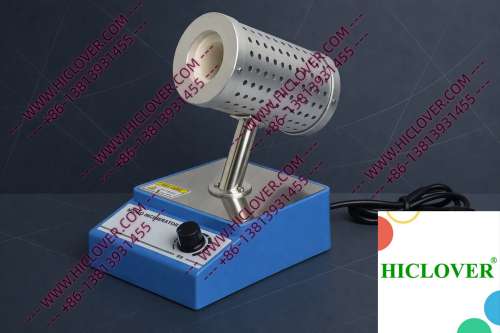
Infrared Loop Sterilizers operate using precise infrared heat, which significantly improves disinfection efficiency compared to traditional flame methods. Unlike Bunsen burners or alcohol lamps, the infrared sterilizer features an enclosed ceramic heating chamber that generates consistent, high-temperature conditions for rapid thermal sterilization. This technology ensures that inoculating loops and other lab utensils reach required sterilization temperatures within seconds, thereby facilitating efficient contamination control.
The infrared system avoids the risks associated with open flames, such as creating aerosols or damaging sensitive materials. With temperature settings adjustable up to 850°C, researchers can execute effective sterilization while prioritizing safety throughout their laboratory work.
Applications in Real Laboratory Settings
1. Biosafety Cabinets
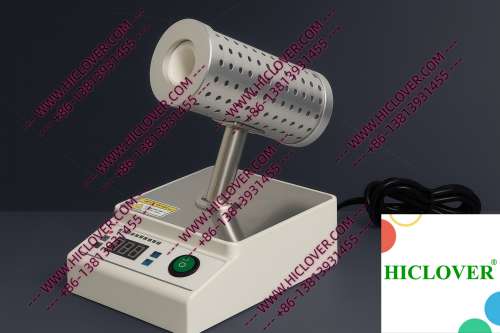
The compact size and portability of the Micro Incinerator allow it to be effectively utilized within biosafety cabinets. In such sterile environments, researchers can quickly sterilize inoculating loops, reducing the time spent on sterilization and maximizing productivity. The absence of flames ensures that the biosafety cabinet remains a clean-bench-safe zone, eliminating risks associated with fire hazards.
2. Field Testing Laboratories
In mobile field testing laboratories, where space and resources are often limited, the infrared inoculating loop sterilizer provides a significant advantage. Its lightweight design and rapid sterilization capabilities enable technicians to conduct experiments while ensuring compliance with stringent biosafety standards. This versatility is vital for test scenarios that involve pathogen detection in the environment, reinforcing the importance of effective sterilization on-site.
Compliance and Environmental Considerations
Biosafety Standards
Compliance with global standards is crucial for laboratory operations. The World Health Organization (WHO) outlines strict biosafety protocols that laboratories must adhere to, particularly those handling pathogenic microorganisms. The use of infrared sterilizers not only aligns with these recommendations but also addresses safety measures by eliminating open flames. Moreover, the sterilizer operates efficiently in CO₂ incubators and anaerobic chambers where vaporized solutions are produced, negating the common risks posed by traditional flame burners.
Comparative Safety Compliance
Laboratories operating without flame sterilizers can be compliant with standards such as:
- WHO Biosafety Guidelines
- ANSI/AAMI ST79 Sterilization Standards
- State-of-the-art Clean Rooms Protocols
Comparative Overview: Micro Incinerator vs. Flame Burners
| Feature | Micro Incinerator | Flame Burners |
|---|---|---|
| Heating Method | Infrared heat | Open flame |
| Temperature Control | Precise & adjustable | Variable & uncontrolled |
| Operational Safety | Clean-bench-safe | Risk of aerosol generation |
| Speed of Sterilization | Seconds | Minutes |
| Residue | None | Can produce soot & residues |
Frequently Asked Questions (FAQs)
- What types of materials can be sterilized using the Micro Incinerator?
It effectively sterilizes loops, needles, and other metal lab utensils. - How does the infrared heating technology compare to traditional flame sterilization?
Infrared technology provides controlled, high temperatures faster and safer than open flames. - Can the Micro Incinerator be used in all laboratory settings?
Yes, it is ideal for BSL-2 and BSL-3 labs, as well as teaching classrooms, owing to its efficiency and safety. - Is the sterilizer compliant with international biosafety regulations?
Yes, it meets WHO and ANSI/AAMI standards for laboratory sterilization. - What are the main advantages of switching from flame systems to infrared sterilizers?
Enhanced safety, faster sterilization times, and lower contamination risk greatly enhance laboratory workflows.
Conclusion
With the growing emphasis on laboratory biosafety and efficient workflows, investing in a Micro Incinerator / Infrared Inoculating Loop Sterilizer becomes an essential move for modern laboratories. By transitioning to infrared sterilizers, facilities not only enhance safety but also streamline sterilization processes, ensuring compliance with global standards. If you are ready to optimize your lab’s sterilization methods, contact us today to explore our range of high-quality infrared sterilization solutions tailored to your needs.
Categories:
Tags: