
In today’s medical and research environments, efficient sterilization of laboratory tools is crucial for maintaining biosafety and ensuring reliable results. Laboratories face numerous biosafety challenges, particularly when it comes to the sterilization of culture loops, needles, and other reusable instruments. This article delves into the capabilities of micro incinerators, specifically the Infrared Inoculating Loop Sterilizer, as a state-of-the-art solution for laboratory sterilization equipment suited for various applications.
Understanding Micro Incinerators
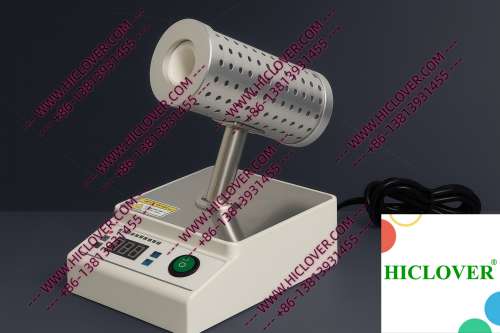
Micro incinerators utilize advanced infrared technology to achieve rapid thermal sterilization with minimal risk of contamination. The heating element, typically an enclosed ceramic tube, generates high temperatures that effectively disinfect tools in seconds. Unlike traditional flame sterilizers, which may introduce aerosolized contaminants or produce an unsafe working environment, the micro incinerator provides a clean, flame-free option.
Technical Principles Behind Infrared Sterilizers
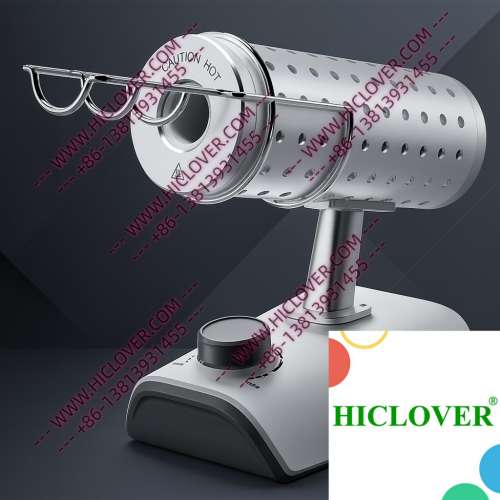
The core function of a micro incinerator lies in its infrared heating system. Whereas Bunsen burners or alcohol lamps can lead to inadvertent contamination through open flames, micro incinerators employ a high-temperature ceramic heating chamber. This enclosed chamber allows for consistent and controlled heat application, ensuring that instruments are sterilized without exposing them to variable environmental conditions. As the infrared heat penetrates items thoroughly, the risk of incomplete sterilization is significantly reduced.
Application Scenarios in Real Labs
Application 1: Biosafety Cabinet Operations
In BSL-2 and BSL-3 microbiology labs, strict contamination control practices are essential. Micro incinerators offer an invaluable asset in these environments. Having a sterilization solution that doesn’t rely on an open flame is particularly advantageous in biosafety cabinets where a clean-air environment is vital. The rapid sterilization cycles provided by the infrared inoculating loop sterilizer enable researchers to efficiently manage their workflow without compromising safety.
Application 2: University Teaching Labs
University laboratories often host a diverse range of students engaging in hands-on scientific experiments. With many learning the importance of sterile technique, a micro incinerator serves as a sensible teaching tool. It introduces students to advanced sterilization methods while allowing for safe operation without the risks inherent in traditional flame-based equipment. Consequently, students can focus on their experiments with peace of mind, knowing their tools are adequately sterilized.
Compliance and Environmental Considerations
Adhering to biosafety regulations is essential for any laboratory engaged in research or clinical diagnostics. The World Health Organization (WHO) provides guidelines emphasizing the importance of safe and effective sterilization methods. Micro incinerators align closely with these standards due to their inherent safety features and environmental compliance.
Moreover, since traditional flame sterilizers can generate byproducts harmful to both users and the surrounding environment, micro incinerators provide a cleaner alternative. Their design eliminates the risk of flame-related accidents and aerosol generation, making them ideal for use in clean rooms or under strict containment conditions.
Micro Incinerator vs. Traditional Flame Sterilizers
| Feature | Micro Incinerator | Flame Sterilizers |
|---|---|---|
| Sterilization Time | Seconds | Variable; dependent on flame size |
| Safety | Flame-free, minimal contamination risk | Open flame, higher contamination risk |
| Heat Control | Precise infrared heating | Variable, dependent on user |
| Environmental Impact | Reduced aerosol production | Potential harmful emissions |
| Usability in Clean Rooms | Ideal | Not recommended |
Frequently Asked Questions (FAQs)
- What is the primary advantage of using a micro incinerator over a traditional Bunsen burner?
- How quickly can a micro incinerator sterilize an inoculating loop?
- Are micro incinerators more environmentally friendly than traditional sterilizers?
- Can micro incinerators be used in academic settings?
- What types of labs benefit most from using micro incinerators?
The primary advantage lies in its flame-free operation, which minimizes contamination risk and is safer for use in biosafety cabinets and clean environments.
A micro incinerator can sterilize tools in just a few seconds, significantly reducing waiting times compared to traditional methods.
Yes, they produce fewer harmful byproducts, making them a cleaner choice for the laboratory environment.
Absolutely! They are perfect for university teaching labs, providing a safe and efficient way to demonstrate sterilization techniques.
Biosafety labs (BSL-2/BSL-3), clinical diagnostic labs, and educational institutions can greatly benefit from their use.
Conclusion
In conclusion, micro incinerators, particularly infrared inoculating loop sterilizers, represent a significant advancement in laboratory sterilization equipment. With their fast sterilization capabilities, safety features, and adaptability across various laboratory settings—from mobile field tests to university classrooms—they are essential tools for modern scientific practices. For laboratories striving to uphold the highest standards of biosafety and efficiency, investing in a micro incinerator is a decisive step towards improved workflow and sterilization reliability.
For more information or to place an order, please contact us today and discover how our micro incinerators can enhance your laboratory operations!
Categories:
Tags: