
In today’s laboratory environments, managing waste effectively while ensuring the highest standards of biosafety is a persistent challenge. Laboratories, particularly in sectors like clinical diagnostics, microbiology, and education, must navigate the delicate balance of effective sterilization and environmental sustainability. The Micro Incinerator, specifically the Infrared Inoculating Loop Sterilizer, is revolutionizing this landscape.
Lab Biosafety Challenges
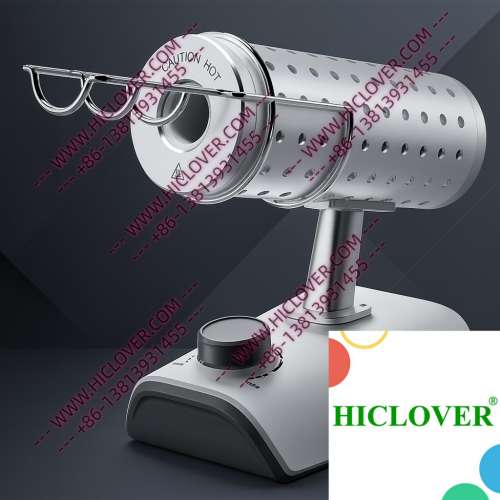
Laboratories are often at risk for contamination, especially in BSL-2 and BSL-3 settings where pathogens may be handled. Traditional sterilization methods, such as alcohol lamps and Bunsen burners, while effective, pose safety risks including open flames that can lead to accidents and aerosols that create inhalation dangers. Moreover, these traditional methods require continuous monitoring and can be time-consuming, affecting workflow efficiency. Enter the Micro Incinerator: a game changer in laboratory sterilization equipment.
Technical Principles of Micro Incinerators
The efficiency of the Micro Incinerator lies in its technical principles. Utilizing advanced infrared technology, the device generates intense heat through an enclosed ceramic tube that avoids the hazards associated with open flames. The infrared heating elements reach temperatures high enough for rapid thermal sterilization—effectively eliminating unwanted microbes and ensuring contamination control.
In terms of configuration, these sterilizers are designed to fit seamlessly into various laboratory settings, from clean benches to mobile field testing labs. Their compact design makes them particularly suitable for space-limited environments while maintaining operational efficiency without sacrificing safety.
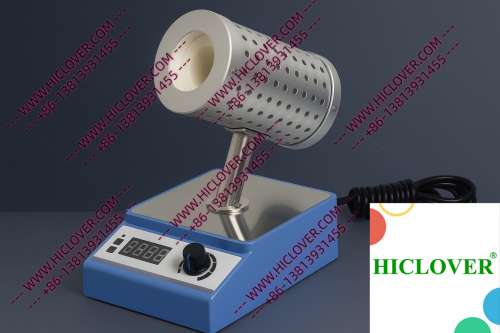
Applications of Micro Incinerators in Real Labs
Micro Incinerators have found application in several laboratory scenarios:
- Biosafety Cabinet: In microbiology labs, these incinerators are perfect for sterilizing inoculating loops and needles without needing to leave the biosafety cabinet, thus maintaining a sterile environment.
- Teaching Labs: University biology labs benefit from the ease of use and safety provided by micro incinerators in demonstrating sterilization techniques without the latent risks associated with flame sterilizers.
- Field Testing: In remote regions, mobile labs utilize micro incinerators for quick sterilization of equipment, essential for molecular diagnostics when handling potentially infectious materials.
Compliance and Environmental Standards
Adhering to compliance and safety standards is paramount in any laboratory setting. WHO biosafety protocols and sterilization guidelines stipulate that laboratories must use methods that minimize risk. The Micro Incinerator, being flame-free, aligns itself with these standards, particularly in clean rooms where traditional flame devices are prohibited due to combustion risks.
The efficient nature of micro incinerators also contributes to sustainability. Reduced emissions and lower energy consumption not only comply with regulatory requirements but also support green lab initiatives. Laboratories across cities like San Francisco and New York are increasingly adopting these technologies to improve their ecological footprint while upholding rigorous sterilization standards.
Advantages of Micro Incinerators Over Traditional Flame Sterilizers
| Feature | Micro Incinerator | Flame Sterilizers |
|---|---|---|
| Safety | Flame-free, minimal risk of ignition | Open flames present combustion risk |
| Efficiency | Rapid thermal sterilization | Time-consuming heating |
| Contamination Control | Aerosol-free handling | Aerosols generated during use |
| Usability | Compact and portable | Bulkier, less portable |
Frequently Asked Questions
- What is the primary function of a Micro Incinerator?
The main function is to rapidly sterilize inoculating loops and needles using high temperatures generated by infrared technology.
- Are Micro Incinerators compliant with WHO standards?
Yes, they are designed to align with WHO biosafety protocols and laboratory sterilization standards, providing a safer alternative to traditional methods.
- Can Micro Incinerators be used in clean rooms?
Absolutely, they are flame-free, making them suitable for use in clean room environments where traditional sterilization methods are prohibited.
- What are the energy requirements for a Micro Incinerator?
Micro Incinerators consume less energy compared to traditional flame sterilizers, contributing to their sustainable profile.
- How does a Micro Incinerator improve lab workflow?
By offering rapid sterilization with minimal setup and monitoring, Micro Incinerators enhance laboratory efficiency and reduce downtime.
Conclusion: Your Partner in Laboratory Sterilization
As laboratories strive for greater efficiency and sustainability, the Micro Incinerator emerges as a leader in advanced sterilization technology. By minimizing risks, ensuring compliance, and enhancing workflow performance, this equipment offers invaluable contributions to lab environments. Whether you’re operating in clinical diagnostics, teaching labs, or field-testing scenarios, consider integrating a Micro Incinerator into your sterilization workflow. For more information or to explore purchasing options, contact us today!
Categories:
Tags: