
As Uganda grapples with increasing plastic waste, laboratories face mounting biosafety challenges requiring innovative approaches to sterilization. The demand for efficient, rapid thermal sterilization methods has led many biosafety cabinets, clinical diagnostics, and teaching labs to seek alternatives to traditional flame sterilizers. Among these new technologies, the Micro Incinerator, specifically the Infrared Inoculating Loop Sterilizer, has emerged as a favorable solution. This advanced equipment addresses not only sterilization needs but also environmental concerns associated with conventional methods.
Technical Principle of the Micro Incinerator
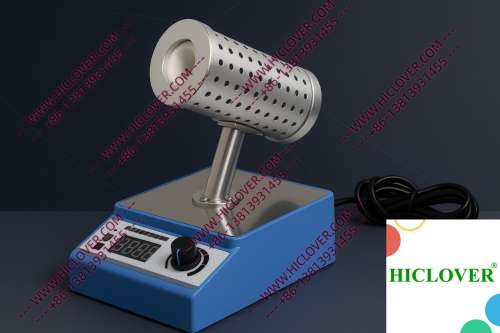
The Micro Incinerator operates using a high-temperature infrared heating principle. Unlike traditional methods that rely on open flames, it utilizes an enclosed ceramic tube, providing both safety and efficiency. When the sterilizer is activated, infrared energy rapidly heats the ceramic element, reaching temperatures high enough for immediate disinfection. This mechanism not only ensures the complete sterilization of inoculating loops and other small laboratory instruments but also minimizes the risk of vaporized contaminants, making it a clean-bench-safe solution.
Applications in Laboratory Settings
Micro Incinerators are versatile tools used in a variety of lab scenarios. Here are two key application scenarios:
- Biosafety Cabinet Settings: BSL-2 and BSL-3 microbiology labs benefit significantly from the Micro Incinerator. As these facilities handle pathogenic microorganisms, maintaining a sterile environment is paramount. The lack of open flames allows researchers to work safely without worry of ignition or cross-contamination.
- Teaching Laboratories: University teaching labs, where students learn proper sterilization techniques, can effectively use the Micro Incinerator for clarity and safety. Instructors can demonstrate sterilization methods without the inherent risks of alcohol lamps, ensuring a reliable learning environment.
- What is a Micro Incinerator?
A Micro Incinerator is a laboratory sterilization device that uses infrared heat to achieve high temperatures for rapid sterilization without producing flames or aerosols. - How does it differ from traditional flame sterilizers?
It utilizes enclosed heating and provides a cleaner, safer approach that minimizes the risk of ignition and contamination, critical in sensitive environments. - Can the Micro Incinerator be used in field testing labs?
Yes, its portability and efficient heating make it ideal for mobile laboratories and field testing environments, ensuring reliable sterilization on-site. - Is it suitable for use in clean rooms?
Absolutely! The absence of open flames makes the Micro Incinerator a clean-bench-safe option for sterile environments. - What materials can be sterilized in a Micro Incinerator?
Common materials include inoculating loops, needles, and small laboratory instruments, which can safely be heated in the ceramic tube.
Comparison with Traditional Flame Sterilizers
When examining the advantages of Micro Incinerators over traditional flame sterilizers, several factors stand out. Here’s a comparison table highlighting the differences:
| Feature | Micro Incinerator | Flame Sterilizers |
|---|---|---|
| Method of Sterilization | Infrared high-temperature disinfection | Open flames |
| Safety | No direct flames, reduced risk of combustion | Open flames, higher fire risk |
| Contamination Control | Aerosol-free handling | Produces aerosols during use |
| Usability in Clean Rooms | Compatible | Not recommended |
| Maintenance | Low | Regular adjustments needed |
Compliance and Environmental Importance
Beyond functionality, compliance with lab and environmental standards is essential. The World Health Organization (WHO) outlines stringent biosafety guidelines that demand effective sterilization methods in clinical and research settings. Traditional flame methods, due to the potential for contamination and flame hazards, often fall short of these standards. The Micro Incinerator, with its rapid thermal sterilization capability, meets laboratory sterilization standards while ensuring safe operations even in sterile environments, such as CO₂ incubators or anaerobic chambers.
Moreover, adopting the Micro Incinerator contributes to solving broader environmental issues, particularly in Uganda, where the accumulation of plastic waste poses severe challenges. By minimizing the use of flame sterilizers that require additional resources (e.g., fuel and starters), the Micro Incinerator supports sustainable laboratory practices conducive to cleaner surroundings.
Frequently Asked Questions (FAQs)
Encouraging Sustainable Laboratory Practices
In a world striving for sustainability and safer lab practices, the Micro Incinerator represents an essential tool in addressing Uganda’s plastic waste challenges while enhancing biosafety measures. Laboratories, hospitals, and universities, especially those involved in microbiology and clinical diagnostics, are encouraged to consider the Micro Incinerator as a reliable sterilization solution. Transitioning to this will vastly improve workflows, reduce fire risks, and comply with international sterilization standards.
To learn more about how the Micro Incinerator can optimize your laboratory operations, reach out today. Let’s work together toward safer and more sustainable laboratory practices.
Categories:
Tags: