
In the bustling city of Mumbai, laboratories face challenging biosafety hurdles daily. With an increasing volume of biological samples handled, the need for effective sterilization methods is paramount. Sterilization isn’t just a microbiological requirement; it’s a critical practice that protects both laboratory professionals and the environment. This is where the revolutionary Micro Incinerator, specifically the Infrared Inoculating Loop Sterilizer, comes into play.
The Technical Principles of Micro Incinerators
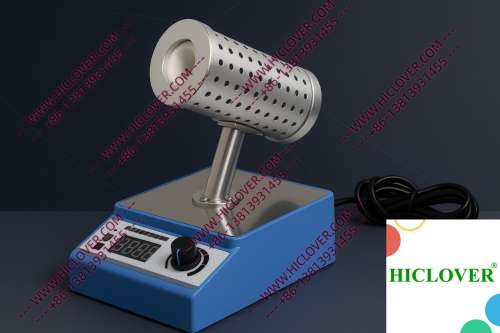
The Micro Incinerator employs advanced technology to achieve rapid thermal sterilization through the use of infrared heat. Unlike traditional flame sterilizers like alcohol lamps or Bunsen burners, the Micro Incinerator creates a controlled environment for effective sterilization. The device utilizes an enclosed ceramic heating chamber that reaches high temperatures quickly and consistently, ensuring complete disinfection without the risks associated with open flames.
This design not only enhances safety in clean rooms but also adheres to stringent biosafety standards, making it the preferred choice in modern laboratories.
Advantages Over Traditional Flame Sterilizers
- Safety: Eliminates risks associated with open flames.
- Efficiency: Achieves rapid and uniform sterilization.
- Environmental Impact: No emissions of hazardous gases compared to alcohol burners.
- Cleanliness: Aerosol-free handling minimizes contamination risks.
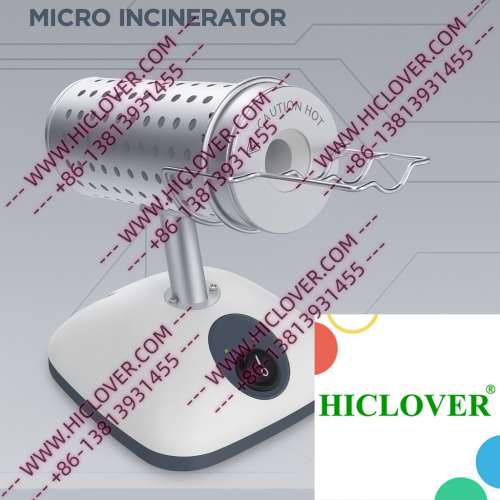
Applications of Micro Incinerators
The Micro Incinerator is versatile in its use across various laboratory environments. Here are two scenarios where they shine:
1. Biosafety Cabinets
In BSL-2 and BSL-3 microbiology labs, where there is a handling of pathogens, maintaining a sterile environment is crucial. The Micro Incinerator is integrated within biosafety cabinets to facilitate quick sterilization of inoculating loops, pipettes, and other lab instruments. The enclosed design ensures that any microbial agents are swiftly neutralized without contaminating the sterile workspace.
2. University Teaching Labs
In educational environments, such as university teaching labs, the Micro Incinerator serves as an effective tool for teaching proper sterilization techniques. Students learn to handle microbiological samples safely while minimizing contamination. Its efficient operation also allows instructors to redirect their attention to essential aspects of the learning experience rather than worrying about flame hazards.
Compliance and Environmental Considerations
Following international standards of safety and sterilization is non-negotiable in laboratories. Compliance with the World Health Organization (WHO) biosafety regulations ensures that labs operate within safety protocols. Traditional flame sterilizers often fall short of specific criteria due to their emission of harmful vapors and the potential for accidents.
The Micro Incinerator aligns with laboratory sterilization standards, offering an excellent solution for clean-bench-safe operations. It provides a non-flame, environmentally friendly alternative, crucial for laboratories operating under stringent safety regulations in metropolitan areas like Mumbai.
Compliance Reference Table
| Feature | Micro Incinerator | Traditional Flame Sterilizer |
|---|---|---|
| Safety | Safe, no open flame | Risk of fire and burns |
| Efficiency | Rapid thermal sterilization | Slower, inconsistent heating |
| Contamination Control | Aerosol-free | Potential for fume and aerosol creation |
| Operational Environment | Suitable for clean rooms | Not preferred in controlled environments |
Frequently Asked Questions
What types of laboratories most benefit from using a Micro Incinerator?
Micro Incinerators are ideal for BSL-2 and BSL-3 microbiology labs, university teaching labs, and field testing labs due to their efficient sterilization capabilities.
How does the Micro Incinerator ensure safety compared to traditional methods?
The design eliminates open flames, reducing the risk of fire hazards or burns. It also promotes a clean environment free of aerosol contamination.
Is it easy to integrate a Micro Incinerator into existing lab setups?
Yes, its compact design allows for easy integration into various lab setups, particularly in biosafety cabinets or mobile labs.
Are there guidelines for using Micro Incinerators in compliance with healthcare regulations?
Micro Incinerators comply with WHO biosafety standards and other lab sterilization regulations, making them a compliant choice in any laboratory setting.
How does the cost of a Micro Incinerator compare to traditional sterilization methods?
While the initial investment may be higher than traditional flame sterilizers, the overall efficiency, safety, and compliance benefits make Micro Incinerators a cost-effective long-term solution.
Conclusion
As Mumbai continues its journey toward cleaner streets and greener neighborhoods, adopting innovative technologies like the Micro Incinerator is essential. It not only enhances laboratory safety but also contributes to a more eco-friendly environment. If you’re looking to upgrade your laboratory sterilization equipment, consider investing in Micro Incinerators for a safer, cleaner, and more efficient future. Contact us today to learn more about our high-quality products!
Categories:
Tags: