
In the ever-evolving landscape of laboratory equipment, the need for efficient and environmentally friendly sterilization methods has become paramount. Laboratories, particularly those in the biosciences and clinical diagnostics, face significant biosafety challenges and workflow demands. Ensuring the sterilization of inoculating loops, tools, and other equipment without contributing to environmental degradation is critical. Enter the Micro Incinerator, an innovative solution that addresses these challenges while aligning with the Netherlands’ commitment to sustainability.
Understanding Micro Incinerators: Technical Principles
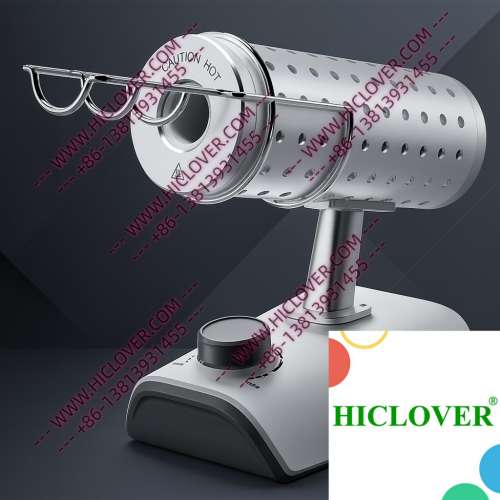
The Micro Incinerator, also known as the Infrared Inoculating Loop Sterilizer, utilizes advanced technology to facilitate rapid thermal sterilization. This device operates by employing high-temperature infrared heat within a sleek and enclosed ceramic tube, allowing for effective disinfection of laboratory tools without the hazards associated with flame-based sterilizers.
Unlike traditional flame sterilizers such as alcohol lamps or Bunsen burners, micro incinerators eliminate the risk of open flames, making them clean-bench-safe. The infrared heating element reaches temperatures that are sufficient to eradicate bacterial, viral, and fungal contaminants swiftly, ensuring contamination control at all times.
Applications in Real Laboratory Settings
1. Biosafety Cabinets
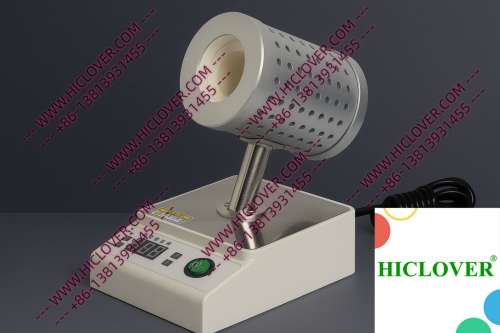
One significant application of micro incinerators is within biosafety cabinets in BSL-2 and BSL-3 microbiology labs. In such controlled environments, where minimizing any aerosol generation is a priority, the Micro Incinerator provides a safe means to sterilize inoculating loops and other non-disposable tools.
2. Field Testing and Educational Labs
Field testing laboratories often require mobility without compromising sterilization standards. The compact design of the micro incinerator makes it an ideal choice for mobile setups. Furthermore, university teaching laboratories can utilize this device, providing students with a practical understanding of sterilization techniques without the dangers associated with flames.
Compliance with Laboratory Sterilization Standards
In a world increasingly focused on health and safety, laboratories must adhere to strict compliance regulations. The World Health Organization (WHO) emphasizes the importance of effective sterilization in biosafety, particularly in laboratories dealing with infectious agents. The Micro Incinerator complies with these biosafety standards, offering a flame-free sterilization option that is especially crucial in clean rooms. The absence of flames ensures that there is no risk of fire hazards, making it a safer alternative in sensitive environments.
Advantages of Micro Incinerators over Traditional Flame Sterilizers
The advantages of using micro incinerators compared to traditional sterilization methods are numerous:
- Rapid Sterilization: Infrared technology provides quick and consistent heating for sterilization.
- Enhanced Safety: No open flames reduce the risk of accidental burns or fire hazards.
- Contamination Control: Aerosol-free handling minimizes the risk of airborne contamination.
- Environmentally Friendly: Reduced energy consumption and no combustion means less environmental impact.
Comparison Table: Micro Incinerator vs. Flame Burners
| Feature | Micro Incinerator | Flame Burners |
|---|---|---|
| Operating Principle | Infrared heating | Open flame |
| Safety | Clean-bench-safe | Fire risk |
| Efficiency | High thermal efficiency | Variable depending on user skill |
| Environmental Impact | Low emissions | Combustion byproducts |
FAQs about Micro Incinerators
1. What temperature do Micro Incinerators reach for effective sterilization?
Micro Incinerators typically reach temperatures of up to 850°C, allowing for rapid thermal sterilization of tools in seconds.
2. Are Micro Incinerators suitable for all laboratory settings?
Yes, they are especially beneficial in BSL-2 and BSL-3 labs, field testing labs, and educational institutions due to their safety and efficiency.
3. Can I use a Micro Incinerator in a clean room environment?
Absolutely, Micro Incinerators are designed for clean rooms, as they operate without open flames and reduce contamination risks.
4. How does the Micro Incinerator support compliance with WHO biosafety standards?
By eliminating open flames and providing consistent sterilization performance, Micro Incinerators meet stringent biosafety standards set by WHO.
5. How do I maintain my Micro Incinerator?
Regular cleaning of the ceramic tube and ensuring proper function of the infrared element will maintain optimum performance.
Conclusion: Embrace the Future of Laboratory Sterilization
As laboratories in the Netherlands push towards sustainability, adopting advanced technology such as micro incinerators is essential. Not only do these devices provide an effective means of sterilization, but they also align with the growing emphasis on environmental responsibility. For further inquiries or to discuss purchasing a Micro Incinerator, feel free to reach out to us today. Take a step towards a greener and safer laboratory environment!
Categories:
Tags: