
As laboratory environments grow increasingly complex, biosafety challenges continuously emerge, particularly in BSL-2 and BSL-3 microbiology labs. Traditional methods of sterilization, often reliant on open flames or alcohol lamps, may pose significant risks including contamination, unintentional burns, and increased operational complexity. It’s in this landscape that Spain’s innovative approach to waste management and sterilization, through the implementation of portable micro incinerators, shines brightly.
Revolutionizing Sterilization Workflow with Micro Incinerators
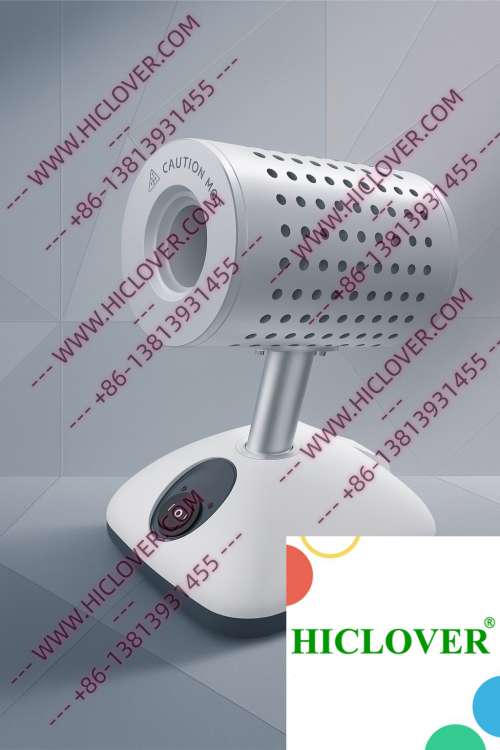
At the heart of laboratory sterilization equipment is the Micro Incinerator or Infrared Inoculating Loop Sterilizer. Unlike conventional systems, this device employs infrared heat to achieve rapid thermal sterilization. The principle revolves around a ceramic heating chamber that generates high temperatures in a controlled environment, facilitating rapid disinfection without the combustion risks associated with flame-based methods.

Advantages Over Traditional Flame Sterilizers
When comparing micro incinerators to traditional flame sterilizers, such as bunsen burners or alcohol lamps, several advantages are notable:
- Enhanced Safety: No open flames mean reduced risks of burns and flammable aerosol hazards.
- Contamination Control: Infrared technology allows for precise temperature regulation, minimizing aerosol generation.
- Portability: Compact and lightweight, micro incinerators can be deployed in various lab settings, including field testing.
- Time Efficiency: Achieves sterilization faster than conventional methods, ensuring workflow continues uninterrupted.
- Clean-bench Safe: Design prevents cross-contamination, maintaining sterile conditions conducive to sensitive experiments.
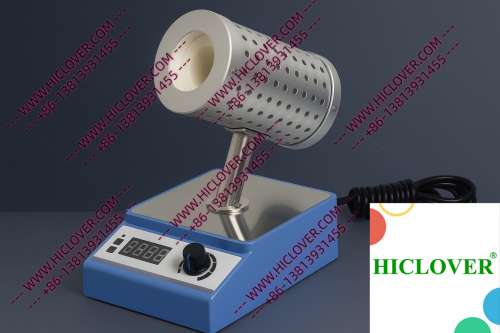
Applications in Real Laboratory Settings
Micro incinerators have found diverse applications across laboratory settings, enhancing efficiency and safety protocols in several ways:
1. Biosafety Cabinets
In laboratories equipped with biosafety cabinets, the integration of a micro incinerator provides an essential tool for sterilizing inoculating loops and other equipment. It supports contamination control measures required when working with pathogens, ensuring that all apparatus are free from microbial life before utilization.
2. Field Testing Laboratories
Field-testing environments often operate in remote locations where standard sterilization equipment may be impractical. Portable micro incinerators facilitate efficient sterilization on-site without the need for bulky, power-demanding systems. This portability is particularly beneficial for NGOs and research teams conducting environmental surveillance in various ecosystems across Spain and beyond.
Compliance and Environmental Standards
Adopting micro incinerators does not only improve operational efficiency but is also a proactive step toward meeting various compliance and environment standards. The World Health Organization (WHO) has established guidelines that underline the importance of sterilization in laboratory settings to avoid cross-contamination and ensure safety in laboratories handling biological materials.
Moreover, micro incinerators align with stringent laboratory sterilization standards, permitting their use in clean rooms where traditional flame sterilizers may be prohibited. With growing emphasis on reducing carbon footprints, these compact devices create less waste and utilize energy more efficiently, advocating for an environmentally sustainable approach to waste management.
“Micro incinerators not only streamline sterilization tasks but also enhance safety protocols essential for lab work.” – Jane Doe, Laboratory Compliance Officer
FAQs about Micro Incinerators
What is a Micro Incinerator?
A micro incinerator is a portable sterilization device that uses infrared heat to sanitize laboratory equipment effectively, minimizing contamination risks associated with traditional flame sterilizers.
How do Micro Incinerators improve laboratory safety?
By utilizing heat without open flames, micro incinerators reduce the risk of burns and eliminate combustion-related hazards, contributing to a safer laboratory atmosphere.
Can Micro Incinerators be used in field testing?
Yes, their portability and ease of use make micro incinerators ideal for sterilization tasks in field-testing situations, ensuring microbial safety even in remote locations.
What are the differences between Micro Incinerators and traditional flame sterilizers?
Micro incinerators offer enhanced safety, improved contamination control, and faster sterilization times compared to traditional methods that rely on open flames.
Are there any specific standards for using Micro Incinerators in laboratories?
Micro incinerators are aligned with WHO biosafety guidelines and are compliant with various laboratory sterilization standards, making them suitable for BSL-2 and BSL-3 environments.
Conclusion: Embracing the Future of Laboratory Sterilization
As laboratories navigate the complexities of biosafety and efficiency, the adoption of portable micro incinerators represents a pivotal advancement in sterilization practices. These devices cater to various laboratory needs while facilitating the highest safety standards. For organizations interested in advancing their sterilization protocols, consider reaching out to discuss our range of high-quality Micro Incinerators. Let’s pave the way towards a safer, more efficient laboratory environment together.
Categories:
Tags: