
In today’s rapidly advancing laboratory environments, the quest for efficient and effective sterilization techniques has never been more critical. Laboratories across the United States face practical biosafety challenges that demand innovative solutions. The pressure to maintain contamination control is unparalleled, especially in settings like BSL-2 and BSL-3 microbiology labs, where rapid thermal sterilization is paramount for safety and compliance.
The Technical Principle Behind Micro Incinerators
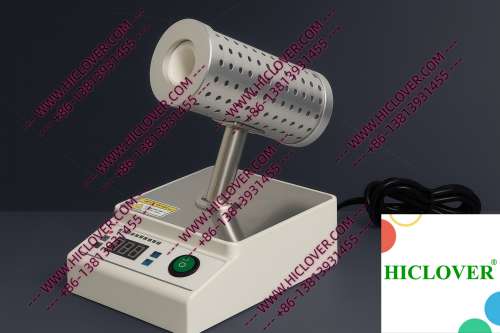
Micro Incinerators, specifically the Infrared Inoculating Loop Sterilizers, harness the power of infrared heat to deliver high-temperature disinfection while ensuring clean-bench-safe operations. These devices utilize an enclosed ceramic heating chamber that generates temperatures exceeding 800°C, allowing for the rapid and efficient sterilization of inoculating loops, needles, and other laboratory tools without the hazards associated with open flame burners.
This cutting-edge technology not only improves the sterilization workflow by reducing the time and complexity involved but also enhances safety by eliminating flame-related accidents and maintaining a clean workspace. With a focus on environment-friendly solutions and the efficient disposal of waste, these micro incinerators present a compelling alternative to traditional methods.
Key Features and Advantages
- Rapid Sterilization: Offers immediate high-temperature disinfection, essential for laboratories where time is of the essence.
- Safety: Features a flame-free design which minimizes risk in clean room environments.
- Contamination Control: Superior to alcohol lamps or Bunsen burners with less risk of aerosol generation, making it ideal for sensitive operations.
- Efficient Energy Use: Infrared technology conserves energy while maximizing performance.
- Versatile Applications: Suitable for a range of settings including clinical diagnostics, teaching labs, and mobile testing units.
Application Scenarios in Real Labs
1. Biosafety Cabinets
Within biosafety cabinets in clinical diagnostics, the Micro Incinerator allows for safe inoculating loop sterilization, minimizing cross-contamination risks. The enclosed heating design prevents pathogen escape, making it a trusted tool in laboratories handling pathogens requiring stringent biosafety precautions.
2. Teaching Laboratories
In university teaching labs, the Infrared Inoculating Loop Sterilizer serves as an educational tool that emphasizes cutting-edge sterilization techniques. Students benefit from hands-on experience with modern sterilization methods, improving their understanding of contamination control without the risks associated with traditional flame sterilizers.
Compliance and Environmental Considerations
Adhering to biosafety regulations set forth by the World Health Organization (WHO) and other laboratory sterilization standards is critical. Facilities must prioritize equipment that supports a sterile environment while complying with the no-flame protocols necessary in clean rooms. Operationally, using a Micro Incinerator aligns with the need for aerosol-free handling in sensitive settings, ensuring proper waste disposal and risk reduction.
Comparison: Micro Incinerator vs. Flame Burners
| Feature | Micro Incinerator | Flame Burners |
|---|---|---|
| Temperature Control | Infrared precision | Variable, dependent on fuel |
| Safety | Flame-free operation | Open flame hazards |
| Aerosol Generation | Minimal | High, risk of contamination |
| Energy Efficiency | High | Variable, often less efficient |
| Maintenance | Low maintenance needs | Requires regular checks and fuel |
Frequently Asked Questions
What is a Micro Incinerator?
A Micro Incinerator, also known as an Infrared Inoculating Loop Sterilizer, is a laboratory device designed for rapid thermal sterilization of inoculating loops, needles, and other laboratory tools using infrared heat, providing a safer alternative to traditional flame sterilizers.
How does a Micro Incinerator work?
It operates by utilizing an enclosed ceramic tube that heats up to high temperatures through infrared radiation, ensuring effective and immediate sterilization without the need for an open flame.
Is the Micro Incinerator safe to use in clean rooms?
Yes, its flame-free operation and minimal aerosol generation make it ideal for clean rooms and other sensitive laboratory environments.
What labs benefit from using Micro Incinerators?
Biosafety level laboratories (BSL-2 and BSL-3), clinical diagnostic facilities, university teaching laboratories, and mobile field testing labs are among those that can significantly benefit from using Micro Incinerators.
How do Micro Incinerators improve sterilization workflows?
They provide rapid sterilization, reduce contamination risks, and improve overall safety in laboratory environments, thereby enhancing the effectiveness of sterilization protocols.
Conclusion
In conclusion, Micro Incinerators stand out as a sustainable, efficient, and safe solution for modern waste disposal and sterilization needs in various laboratory settings. By adopting such innovative sterilization techniques, laboratories can enhance their operations and ensure compliance with prevailing biosafety regulations. If you are looking to upgrade your sterilization processes, consider adding a Micro Incinerator to your equipment lineup today!
For more information or to make a purchase, please contact us so we can assist you in selecting the right solution for your laboratory’s sterilization needs.
Categories:
Tags: