
Laboratories, especially in the context of Egypt’s growing population and waste management challenges, face increasing biosafety concerns and stringent sterilization workflow requirements. The need for effective sterilization equipment that minimizes contamination risks is crucial in addressing the region’s waste crisis. This is where Micro Incinerators, particularly the Infrared Inoculating Loop Sterilizer, come into play as a practical and sustainable solution.
Technical Principles of Micro Incinerators
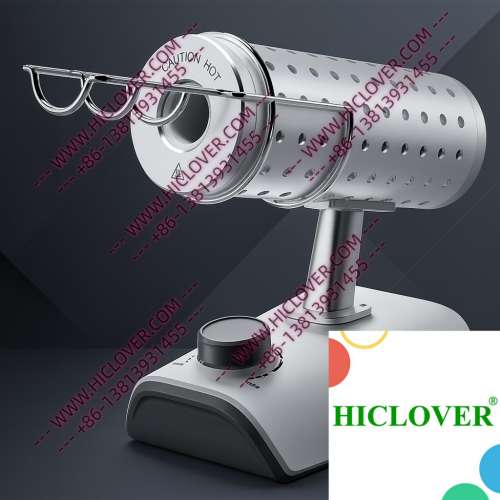
Micro Incinerators employ advanced thermal sterilization technology using infrared heat generated within a confined space. The enclosed ceramic tube efficiently generates high temperatures, reaching above 800°C, ensuring rapid thermal sterilization. This innovation allows laboratory personnel to achieve complete disinfection of inoculating loops, needles, and other small tools without the hazards associated with traditional flame sterilizers like alcohol lamps or Bunsen burners.
Advantages of Infrared Sterilization
- Rapid Thermal Sterilization: Achieves sterilization in seconds, reducing waiting times.
- Contamination Control: Maintains a clean bench-safe environment by minimizing aerosol release.
- Cleanroom Compatibility: Operates efficiently without open flames, aligning with cleanroom safety protocols.
- Durability: The ceramic heating chamber provides longevity and reliability in various laboratory settings.
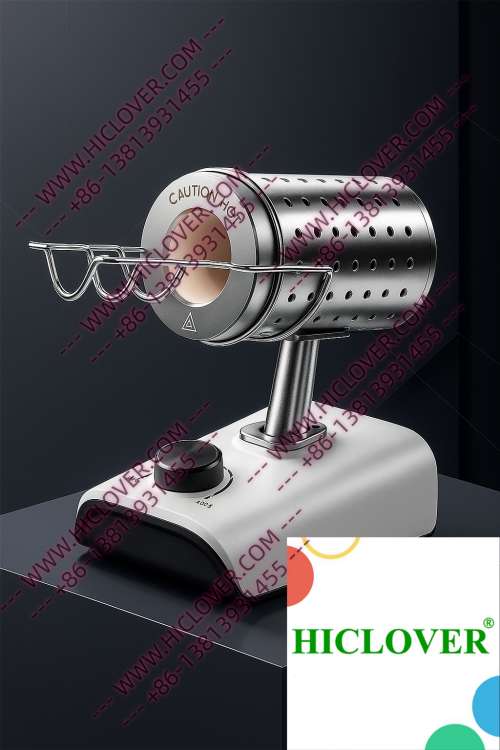
Application Scenarios in Real Labs
Micro Incinerators find utility across various laboratory environments, effectively addressing biosafety challenges.
1. Biosafety Cabinets
In BSL-2 and BSL-3 microbiology labs, where handling of pathogenic microorganisms necessitates stringent containment measures, Micro Incinerators provide reliable sterilization without creating hazardous aerosols. Researchers can safely sterilize tools while maintaining a sterile workspace, ensuring that contamination risks are minimized.
2. Teaching Laboratories
In university teaching labs, where students learn sterile techniques, infrared sterilizers serve not only as sterilization tools but also as educational aids. Instructors can demonstrate rapid thermal sterilization, reinforcing the importance of contamination control in practical microbiology. The ease of use allows students to focus on learning procedures without the added complexity of flame management.
Compliance with Global Biosafety Standards
Compliance with established biosafety standards is critical for laboratories worldwide. Micro Incinerators align with the World Health Organization (WHO) biosafety regulations, ensuring safe handling practices in laboratory environments. Moreover, the use of infrared sterilizers is ideal for clean rooms, which prohibit open flames to reduce the risk of fire and contamination.
Comparison Table: Micro Incinerator vs. Traditional Flame Sterilizers
| Feature | Micro Incinerator | Flame Sterilizer |
|---|---|---|
| Sterilization Time | Seconds | Varies (up to minutes) |
| Contamination Risk | Low | High (aerosols) |
| Maintenance | Low | High (fuel replacement) |
| Cleanroom Compatibility | Yes | No |
| Operational Safety | High | Moderate (fire hazards) |
Regional Focus: Addressing Egypt’s Waste Management Challenges
With Egypt’s population nearing 104 million, the waste management crisis is escalating. Traditional waste disposal methods are strained, leading to environmental hazards. The introduction of Micro Incinerators in laboratories presents a sustainable waste disposal method, particularly for biomedical waste. This proactive approach reduces landfill load and enhances environmental health initiatives.
Frequently Asked Questions
What is the sterilization capacity of a Micro Incinerator?
A Micro Incinerator can efficiently sterilize multiple inoculating loops or small laboratory tools in just a matter of seconds, greatly enhancing workflow efficiency.
Is the Micro Incinerator safe for use in cleanrooms?
Yes, Micro Incinerators are designed for cleanroom operations as they do not produce open flames or aerosols, making them ideal for sensitive environments.
How easy is it to use a Micro Incinerator?
The device is user-friendly, with straightforward operational controls. Lab personnel can quickly learn to prepare and operate the unit effectively.
What are the maintenance requirements for a Micro Incinerator?
Minimal maintenance is required; regular cleaning of the ceramic heating chamber and ensuring the unit is properly calibrated will suffice for optimal operation.
Can Micro Incinerators be used in field laboratories?
Absolutely! Their portable design and efficient operation make them perfect for mobile field testing labs where contamination control is critical.
Conclusion
Micro Incinerators stand out as the future of laboratory sterilization equipment, particularly in regions like Egypt battling with waste management. The benefits of rapid thermal sterilization, reduced contamination risks, and compliance with global biosafety standards make them a valuable addition to any lab environment. If you’re seeking efficient and sustainable solutions for laboratory sterilization, consider reaching out to us for more information or to make a purchase.
Categories:
Tags: