
Laboratories worldwide face persistent challenges associated with biosafety and laboratory sterilization. In South Africa, where healthcare systems grapple with maintaining high standards amidst resource constraints, innovative solutions are crucial. One effective approach is the use of micro incinerators, specifically Infrared Inoculating Loop Sterilizers, which offer a compact and efficient means of sterilizing laboratory tools and materials. With their advanced design, they not only enhance sterilization workflows but also have a minimal impact on the environment, addressing both health and sustainability challenges.
Addressing Practical Laboratory Biosafety Challenges
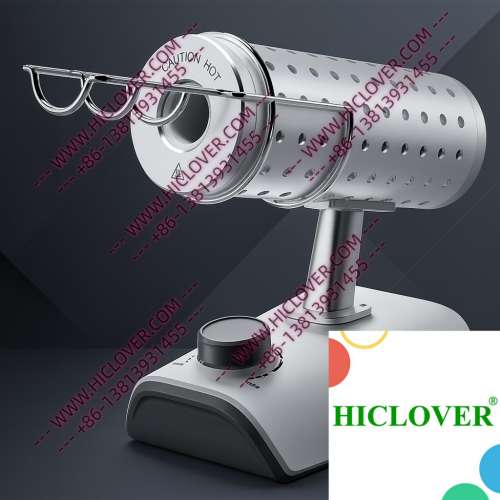
In any scientific setting, especially in microbiology labs classified as BSL-2 or BSL-3, risk management is paramount. Traditional methods for sterilization, such as alcohol lamps and Bunsen burners, pose significant risks of open flames and potential contamination. Moreover, the use of these flame-based devices can overwhelm clean environments where aerosol generation is a concern. The transition to infrared sterilization methods, namely micro incinerators, provides an innovative solution that meets the growing demands for safer and more efficient sterilization equipment.
Understanding the Technical Principles Behind Micro Incinerators
Micro incinerators utilize infrared heat for quick and effective sterilization. They feature a ceramic heating chamber that generates temperatures exceeding 800°C in seconds, enabling the rapid thermal sterilization of inoculating loops, needles, and other laboratory instruments. The enclosed design not only ensures safety but also mitigates issues associated with airborne contaminants, fitting seamlessly into clean bench areas.
- Efficient heating: The infrared technology guarantees uniform temperature distribution.
- Rapid sterilization: Achieve disinfection in mere seconds.
- Environmentally friendly: No need for gas or open flames, reducing the risk of accidental fires.
- What types of laboratories benefit most from using micro incinerators?
Micro incinerators are ideally suited for BSL-2 and BSL-3 laboratories, university teaching facilities, and field testing operations. - How do micro incinerators enhance biosafety?
They provide an enclosed heating environment that minimizes contamination risks and eliminate open flames, thus improving safety in clean environments. - Can micro incinerators be used in remote locations?
Yes, their portable design makes them ideal for field research and mobile laboratory settings. - What standards do micro incinerators meet?
They comply with WHO biosafety standards and other international sterilization protocols. - How fast can I sterilize tools with a micro incinerator?
Instruments can be sterilized in just seconds, ensuring minimal workflow disruption.
Application Scenarios in Real Labs
Micro incinerators find versatile application in diverse laboratory settings, enhancing safety and efficiency.
Application in University Teaching Labs
In South African universities, where student training in microbiology and biotechnology occurs, micro incinerators serve as an ideal choice for teaching laboratories. Students familiarize themselves with sterilization protocols without the risk of flame hazards. The ease of use and speed of sterilization allow educators to focus more on instructional content rather than safety management.
Field Testing Laboratories
For field testing labs, particularly those operating in remote areas, micro incinerators prove invaluable. Their lightweight, portable design ensures easy transportation. During environmental sampling or clinical diagnostics, scientists can perform sterilizations on-site, significantly reducing the risk of contamination and enhancing data quality.
Compliance and Environmental Considerations
Complying with international biosafety standards is critical for laboratory operations. The World Health Organization (WHO) emphasizes the importance of adhering to laboratory sterilization standards to mitigate biological hazards. Micro incinerators align with these standards by offering a flame-free alternative that supports aerosol-free handling in cleanrooms.
Notably, as South Africa aims to bolster its scientific research and healthcare sectors, implementing micro incineration technology contributes towards sustainability goals and effective waste management. By investing in such high-temperature disinfection solutions, laboratories can upgrade their sterilization protocols while minimizing environmental impact.
Micro Incinerators vs. Traditional Flame Sterilizers
| Feature | Micro Incinerators | Flame Sterilizers |
|---|---|---|
| Heat Source | Infrared radiation | Open flame |
| Temperature Control | Precise temperature settings | Variable and difficult to control |
| Safety | Enclosed, flame-free | Risk of burns and fires |
| Environmental Impact | Lower emissions | Higher emissions and hazards |
| Efficiency | Rapid sterilization | Slower, less efficient |
Frequently Asked Questions
Conclusion
For South African communities striving to enhance laboratory capabilities, micro incinerators represent a sustainable waste management and efficient sterilization solution. By minimizing contamination risks and adhering to safety compliance, these devices are an invaluable asset in modern scientific settings. If you’re interested in equipping your laboratory with cutting-edge sterilization technology, contact us today to explore our range of Infrared Inoculating Loop Sterilizers designed for your specific needs.
Categories:
Tags: