
In today’s fast-paced medical and laboratory environments, ensuring biosafety and effective contamination control is paramount. As New Zealand’s healthcare sector incorporates advanced technologies, traditional sterilization methods are increasingly giving way to innovative solutions. One such advancement is the Portable Infrared Inoculating Loop Sterilizer, or Micro Incinerator, which has become essential in laboratory sterilization equipment. This article explores the fundamental principles, applications, and regulatory compliance surrounding these versatile instruments.
Understanding the Technical Principles
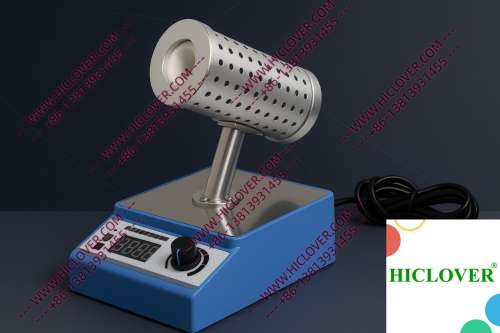
The underlying technology of the Micro Incinerator hinges on the use of infrared heat to achieve rapid thermal sterilization. Unlike conventional methods that rely on open flames, these devices utilize an enclosed ceramic heating chamber designed to deliver high-temperature disinfection without the risk of combustion.
Infrared radiation directly heats the inoculating loops at a molecular level, ensuring that they reach the necessary temperatures to eliminate contaminants, pathogens, and residual biological materials effectively. This infrared high-temperature mechanism allows for quick sterilization cycles, minimizing downtime in laboratory workflows.
Advantages Over Traditional Flame Sterilizers
Micro Incinerators present numerous advantages compared to traditional flame sterilizers, such as alcohol lamps and Bunsen burners:
- Safety: No open flames contribute to a safer laboratory environment, especially in clean rooms and BSL-2 or BSL-3 microbiology labs.
- Reduced Risk of Contamination: Infrared heating eliminates potential aerosolization of harmful pathogens, providing a more suitable handling experience.
- Efficiency: Quick heating times ensure that workers can maintain workflow without long waiting periods typically associated with flame sterilization.
- Environmentally Friendly: The absence of alcohol not only prevents flammable waste but also leaves no toxic residues behind.
Practical Applications in Laboratories
The versatility of Portable Loop Sterilizers finds relevance in various laboratory setups, enhancing both teaching and practical applications. Below are two notable scenarios:
1. Teaching Laboratories
In university teaching labs, where students learn microbiological techniques, the Micro Incinerator offers a safe and efficient means to sterilize inoculating loops. By integrating these sterilizers into the curriculum, educators can instill proper biosafety practices while demonstrating the importance of quick and effective sterilization techniques. This helps in fostering a learning environment that values lab sterility.
2. Field Testing Laboratories
Field testing for environmental monitoring or clinical diagnostics poses unique challenges such as mobility and the necessity for rapid sterilization. The Portable Infrared Inoculating Loop Sterilizer is compact and lightweight, making it an ideal choice for mobile labs that require instant access to sterilization capabilities. Operators can ensure contamination control even in remote locations, maintaining compliance with WHO biosafety standards.
Compliance and Environmental Considerations
Aligning with international regulations, Micro Incinerators are designed to meet stringent lab sterilization standards. The WHO’s biosafety guidelines emphasize the importance of minimizing contamination risks, particularly in clinical settings. These sterilizers support compliance by eliminating the need for flammable alcohol within clean rooms and ensuring a flame-free environment.
In New Zealand, adherence to local lab safety regulations, such as the Hazardous Substances and New Organisms Act, is critical for operational integrity. By utilizing infrared inoculating loop sterilizers, labs not only comply with best practices but also contribute to a sustainable environment by reducing hazardous waste.
“By choosing advanced sterilization technologies such as Micro Incinerators, laboratories can uphold both safety and environmental integrity, paving the way for improved scientific outcomes.”
Frequently Asked Questions (FAQs)
- How does the Micro Incinerator compare with traditional flame sterilizers?
Micro Incinerators provide enhanced safety, quicker heating times, and eliminate the risk of aerosol contamination, which are significant improvements over traditional flame-based methods. - What are the ideal applications for a Portable Infrared Inoculating Loop Sterilizer?
These sterilizers are ideally suited for university labs, field testing environments, and BSL-2 / BSL-3 microbiology labs. - Are there environmental benefits associated with using Infrared Loop Sterilizers?
Yes, they minimize the generation of hazardous waste and eliminate the use of flammable alcohol, thereby contributing to a safer lab environment. - How quickly can a Micro Incinerator sterilize inoculating loops?
The device typically achieves sterilization within a matter of seconds, ensuring swift turnaround times for laboratory processes. - Is training required to operate a Micro Incinerator effectively?
While these units are designed for user-friendliness, basic training on operational safety and effective use is recommended to maximize their benefits.
Conclusion
As New Zealand’s medical sector continues to evolve, the adoption of advanced sterilization technologies like the Micro Incinerator becomes increasingly important. Not only do these sterilizers meet rigorous safety and environmental standards, but they also facilitate efficient and reliable laboratory practices across various settings. For laboratories committed to maintaining high hygiene standards and operational efficiency, investing in a Portable Infrared Inoculating Loop Sterilizer is a step towards excellence in biosafety.
For inquiries or to explore potential purchase options, feel free to contact us today. Let’s work together towards creating a safer, more efficient laboratory environment!
Categories:
Tags: