
In laboratories around the world, especially those operating under Biosafety Level 2 (BSL-2) and BSL-3 conditions, the need for effective sterilization methods is a non-negotiable aspect of workflow. As research escalates in universities, clinical diagnostics, and mobile or field testing labs, traditional methods like alcohol lamps and Bunsen burners have become inadequate. The rise of micro-incinerators, specifically Infrared Inoculating Loop Sterilizers, has emerged as a pivotal solution that not only meets sterilization needs but also aligns with environmental responsibility.
Technical Principles Behind Micro-Incinerators
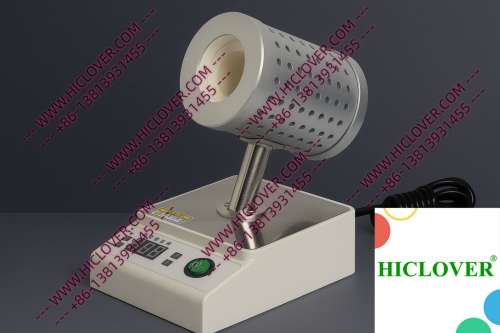
Micro-incinerators utilize advanced infrared heating technology, which ensures rapid thermal sterilization. Unlike conventional flame sterilizers, these devices employ enclosed ceramic heating elements that can reach high temperatures quickly and efficiently. The advantage of this setup is twofold:
- Controlled Sterilization: The enclosed ceramic tube prevents the heat from dispersing, making it possible to target the inoculating loop directly without risk to surrounding equipment.
- Enhanced Safety: Infrared heat eliminates the risks associated with open flames, making these devices safer for use within clean rooms and biosafety cabinets.
Comparative Analysis: Micro-Incinerator vs. Traditional Flame Burners
| Feature | Micro-Incinerator | Flame Burners |
|---|---|---|
| Temperature Control | Precise & quick | Variable & unpredictable |
| Safety Risk | Low (no open flame) | High (burn hazards) |
| Aerosol Generation | None | Potentially high |
| Compliance | Meets WHO and lab standards | May fall short in cleanroom settings |
Application Scenarios in Real Labs
Biosafety Cabinet Operations
Micro-incinerators thrive in biosafety cabinets where rapid thermal sterilization is a must. Research involving pathogens and sterile environments benefits from the non-aerosol generating nature of micro-incinerators. When inoculating loops and needles are used within the cabinet, micro-incinerators offer a zero-contamination solution as they eliminate the risk of harmful aerosols typically generated by flame sterilizers.
Field Testing in Clinical Diagnostics
Field testing for environmental and medical samples often requires portable sterilization solutions. A micro-incinerator’s compact design allows researchers to transport it to various onsite locations without compromising biosafety. This capability is crucial when working with infectious materials, ensuring immediate sterilization protocols can be enacted on-the-spot.
Biosafety Compliance Standards
Ensuring that laboratory sterilization methods adhere to international compliance standards is critical. WHO biosafety protocols emphasize the importance of minimizing contamination risks. The use of micro-incinerators aligns well with these guidelines, as their design inherently avoids the use of open flames, significantly reducing the hazard of fire and airborne contamination in cleanroom environments. Furthermore, using these devices in teaching labs promotes education around best practices in sterilization and contamination control.
Frequently Asked Questions
What types of laboratories benefit the most from using a micro-incinerator?
Micro-incinerators are ideal for microbiology research labs, clinical diagnostics, and university teaching labs focusing on safety and compliance.
How does a micro-incinerator compare to traditional sterilization methods?
Micro-incinerators offer safer, more efficient sterilization with precise temperature control, reducing aerosol risks while ensuring compliance with health standards.
Can micro-incinerators be used outside laboratory settings?
Yes, micro-incinerators are well-suited for field testing, allowing users to maintain biosafety protocols in diverse environments.
What makes a micro-incinerator environmentally friendly?
By eliminating open flames and optimizing energy use, micro-incinerators contribute to reducing carbon footprints and promoting green lab practices.
Are micro-incinerators user-friendly for lab technicians?
Absolutely; their simple interface and portable design make operation intuitive, enhancing workflow efficiency without compromising safety.
Conclusion
With the demands of contemporary laboratories evolving, micro-incinerators like the Infrared Inoculating Loop Sterilizer present a compelling solution for bridging the gap between culture transfer and environmental responsibility. Their technical advantages over traditional flames, combined with their compliance with established biosafety standards, make them an essential tool in any modern laboratory setting. If you seek high-quality, reliable laboratory sterilization equipment, consider investing in a micro-incinerator today and elevate your lab’s safety and efficiency. For pricing or inquiries, contact us to learn more about how we can support your laboratory needs.
Categories:
Tags: