
Mumbai, a bustling metropolis, faces a growing waste management crisis, exacerbated by rapid urbanization and industrialization. Within this context, laboratories must navigate strict biosafety protocols, necessitating highly effective sterilization equipment. One solution gaining traction is the use of Micro Incinerators, specifically the Infrared Inoculating Loop Sterilizer. This innovative technology addresses laboratory sterilization needs while aligning with environmental safety requirements.
Laboratory Biosafety Challenges and Sterilization Workflow Demands
Contamination control is paramount in laboratory settings, especially in BSL-2 and BSL-3 microbiology labs where pathogenic microorganisms are manipulated. Traditional methods of sterilization, such as alcohol lamps and Bunsen burners, while effective, come with their own sets of challenges. Open flames pose fire hazards, contaminate clean air environments, and create hazardous aerosols during sterilization processes. Furthermore, maintaining the integrity of a sterile workspace in a laboratory is essential, particularly when working with sensitive equipment and materials.
The Technical Principle Behind Micro Incinerators
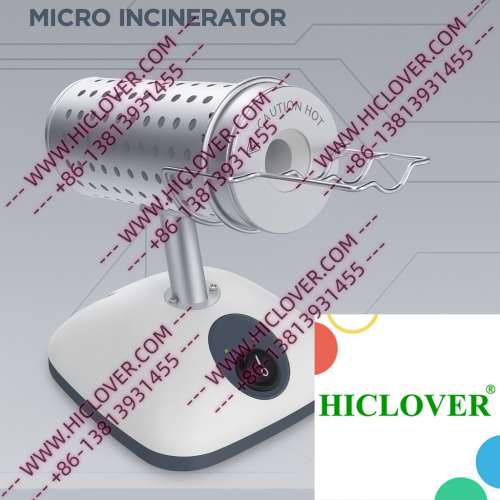
The Micro Incinerator employs an enclosed ceramic heating chamber that utilizes infrared heat to achieve rapid thermal sterilization. Unlike open flame methods, this technology delivers consistent and controllable high temperatures, capable of reaching upwards of 800°C. The infrared radiation directly heats the inoculating loop or other sterilization instruments, ensuring thorough disinfection without the risk of aerosol contamination. This high-temperature disinfection effectively inactivates pathogens while preserving the integrity of the samples being handled.
Design and Configuration of Micro Incinerators
Micro Incinerators are typically compact, designed for easy integration within various laboratory environments. Their user-friendly configurations include a ceramic tube that provides an optimal sterilization surface. The equipment’s design ensures safety and ease of use, making it suitable for both seasoned researchers and trainees. With its sleek configuration, it can be positioned within biosafety cabinets or teaching labs, promoting a sterile work environment.
Application Scenarios in Real Laboratories
- Biosafety Cabinets: Micro Incinerators can be integrated into biosafety cabinets, enhancing workflow by providing a safe sterilization option within a controlled environment. This approach minimizes the risk of contamination and ensures the safety of both laboratory personnel and samples.
- Field Testing Laboratories: In mobile or field testing labs, Micro Incinerators are invaluable. They offer rapid sterilization capabilities without the complexities of flame-based devices, allowing researchers to perform critical work in diverse environments where traditional sterilization may be cumbersome.
Compliance with Safety and Environmental Standards
Compliance with guidelines set by WHO for laboratory biosafety is crucial for laboratories handling infectious agents. The Micro Incinerator aligns with these standards by providing a flame-free sterilization method that is safe for use in clean rooms. Traditional flame sterilizers can introduce contaminants, whereas the Micro Incinerator minimizes this risk, ensuring adherence to best practices in infection control.
Furthermore, this advanced sterilization technology reduces the environmental footprint associated with laboratory operations. By eliminating open flames, it mitigates the potential for combustion-related emissions and enhances overall laboratory safety.
Advantages Over Traditional Flame Sterilizers
| Feature | Micro Incinerator | Flame Burners |
|---|---|---|
| Sterilization Method | Infrared heat | Open flame |
| Risk of Contamination | Minimal | High (aerosol generation) |
| Temperature Control | Consistent and precise | Variable and uncontrolled |
| Safety in Clean Rooms | Ideal | Not suitable |
| Ease of Use | User-friendly | Requires more manual control |
Frequently Asked Questions
1. What are the primary benefits of using a Micro Incinerator over traditional sterilization methods?
The Micro Incinerator provides enhanced sterilization efficiency, minimizes contamination risks, offers precise temperature control, and is safer for use in clean environments compared to traditional flame methods.
2. How does the infrared sterilization process work in a Micro Incinerator?
The infrared sterilization process involves heating instruments directly with infrared radiation, achieving high temperatures quickly and effectively, which inactivates pathogens without exposing the surrounding area to open flames.
3. Can Micro Incinerators be used in educational settings?
Yes, Micro Incinerators are ideal for teaching labs as they are safe and easy to operate, allowing students to learn proper sterilization techniques without the risks associated with open flames.
4. What is the typical lifespan of a Micro Incinerator?
With proper maintenance, Micro Incinerators can last for several years, making them a durable investment for any laboratory setting.
5. Are Micro Incinerators compliant with WHO biosafety standards?
Yes, Micro Incinerators comply with WHO biosafety standards, ensuring safe operations in laboratories handling infectious materials.
Conclusion: Embrace Advanced Sterilization Solutions
In summary, the Micro Incinerator presents a cutting-edge solution to the waste management and sterilization challenges faced by laboratories in Mumbai and beyond. With its ability to ensure contamination control, enhance laboratory safety, and comply with stringent biosafety standards, it stands as an essential tool for modern laboratory settings.
If you are looking to invest in reliable and effective sterilization equipment for your laboratory, contact us today to learn more about our Micro Incinerators. Seamless integration into your laboratory workflows awaits!
Categories:
Tags: