
In the fast-paced environment of modern laboratories, particularly in Osaka’s vibrant research sector, controlling contamination and ensuring biosafety is paramount. Laboratory professionals face numerous biosafety challenges, from the meticulous sterilization of inoculating loops to managing bio-hazardous waste without creating aerosols. Among the solutions, the use of Micro Incinerators, particularly the Infrared Inoculating Loop Sterilizer, has gained prominence for its efficiency and effectiveness.
Understanding Micro Incinerators
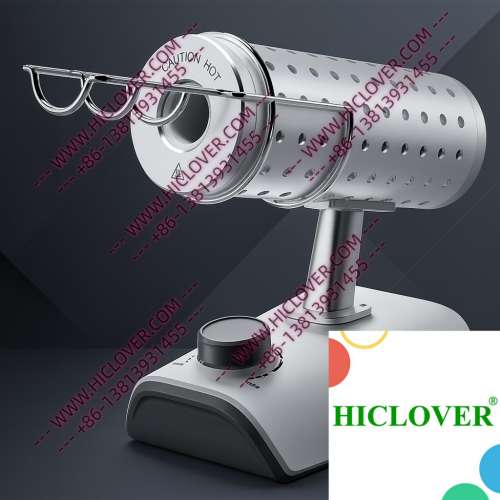
The Micro Incinerator operates on the principle of rapid thermal sterilization. Unlike traditional flame sterilizers such as alcohol lamps and Bunsen burners, the Micro Incinerator utilizes an enclosed ceramic heating chamber that reaches high temperatures via infrared heat. This technology ensures rapid and effective disinfection of inoculating loops and other laboratory instruments without the risks associated with open flames.
The configuration of a Micro Incinerator is designed to enhance user safety and prevent contamination. The enclosed ceramic tube allows for precise temperature control while avoiding exposure to the surrounding environment. This is especially crucial in sensitive areas such as clean rooms, biosafety cabinets, and teaching labs.
Application Scenarios of Micro Incinerators
Micro Incinerators are versatile tools that can be utilized in various laboratory environments. Here are two notable application scenarios:
1. Biosafety Cabinets
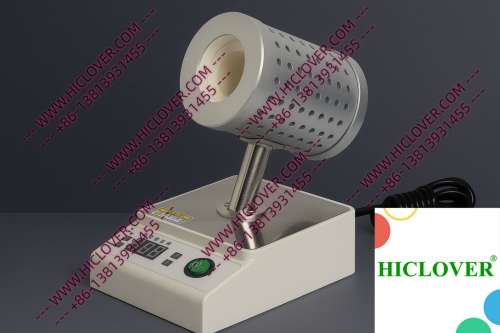
In BSL-2 and BSL-3 microbiology labs, where pathogens and biohazards are routinely handled, the Micro Incinerator fits seamlessly into the existing sterilization workflow. Inside a biosafety cabinet, the use of an infrared inoculating loop sterilizer eliminates the need for open flames, thereby reducing the risk of fire hazards and ensuring that samples remain uncontaminated during the sterilization process. The fast heating action of the Micro Incinerator minimizes the time that tools are exposed to the open environment, ensuring a higher risk mitigation of contamination.
2. Field Testing and Teaching Labs
In mobile or field testing labs, where access to electrical power may be limited, Micro Incinerators offer a portable solution that enables researchers and educators to effectively sterilize instruments on-the-go. Their lightweight design and quick operation make them ideal for teaching labs, allowing students to learn about sterilization practices without the complications tied to traditional flame-based devices.
Compliance and Environmental Considerations
Compliance with international biosafety and sterilization standards is crucial in laboratory settings. The World Health Organization (WHO) emphasizes the importance of adhering to strict sterilization protocols to prevent contamination and ensure the safety of laboratory personnel and the surrounding environment. Moreover, in clean-room operations, having non-flame sterilizing equipment is essential to maintain strict cleanliness standards.
Micro Incinerators meet these compliance requirements, providing an effective solution for laboratories striving for high safety and sterilization standards. By avoiding open flames, they align with regulations that prohibit the use of flame-based sterilization tools in sterile environments, thus facilitating safer operations.
Micro Incinerators vs. Traditional Flame Sterilizers
| Feature | Micro Incinerator | Traditional Flame Sterilizer |
|---|---|---|
| Efficiency | Rapid thermal sterilization; quick heating | Longer heating time; slower disinfection |
| Safety | No open flames; minimal risk of fire | Flame exposure; higher burn risk |
| Contamination Risk | Aerosol-free handling; enclosed system | Aerosol generation; open handling |
| Maintenance | Effortless cleaning; less wear and tear | Regular maintenance needed; risk of soot buildup |
Frequently Asked Questions
- What is the primary advantage of using a Micro Incinerator over an alcohol lamp?
Micro Incinerators provide rapid sterilization without the fire hazards associated with open flames, making them safer and more efficient for biosafety applications. - Can the Micro Incinerator be used in field testing environments?
Yes, the portable design and quick activation of Micro Incinerators make them ideal for use in field testing labs. - How does infrared heat improve sterilization efficiency?
Infrared heat reaches high temperatures quickly, effectively achieving rapid thermal sterilization while preventing aerosol generation. - Is there a specific temperature requirement for sterilization?
Most Micro Incinerators achieve optimal sterilization at temperatures exceeding 800°C. - Are there any compliance certifications for Micro Incinerators?
Yes, Micro Incinerators generally meet WHO guidelines and lab sterilization standards, making them compliant for use in various laboratory situations.
Conclusion: Embrace Modern Sterilization Solutions
As laboratory professionals in Osaka and beyond continue to tackle waste management and biosafety challenges, the adoption of Micro Incinerators presents a forward-thinking solution. Far more efficient and safer than traditional flame sterilizers, these devices enhance workflow while ensuring compliance with international standards. If you’re looking to upgrade your laboratory’s sterilization equipment, consider investing in a high-quality Micro Incinerator or Infrared Inoculating Loop Sterilizer today. Contact us for more information or to discuss how we can meet your laboratory needs.
Categories:
Tags: