
In the evolving landscape of laboratory biosafety, the advent of micro incinerators stands as a beacon of hope against widespread sterilization challenges. As Pakistani cities grapple with urbanization and increasing waste, laboratories must ensure strict sterilization workflows to prevent contamination. The Micro Incinerator, particularly the Infrared Inoculating Loop Sterilizer, offers innovative solutions that align perfectly with these demands.
Practical Laboratory Biosafety Challenges
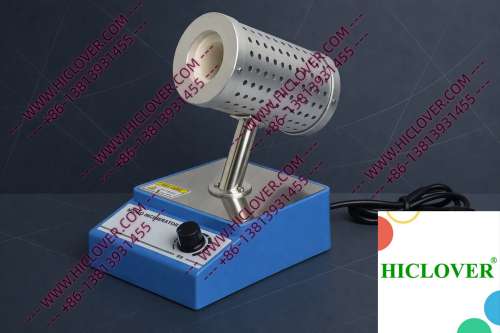
Laboratories, be they focused on clinical diagnostics or educational training, continually face significant biosafety challenges. A primary concern is the efficacy and reliability of sterilization methods. Traditional flame sterilizers, such as alcohol lamps or Bunsen burners, not only pose fire hazards but also create aerosol risks, thus heightening contamination potential. Moreover, these methods are often inefficient in high-throughput environments, which can lead to workflow bottlenecks.
Technical Principles of Micro Incinerators
The Micro Incinerator functions on the principle of rapid thermal sterilization via infrared heat. This technology utilizes an enclosed ceramic heating chamber that generates high temperatures surpassing 1000°C within seconds, ensuring immediate and effective disinfection of microbiological tools. Unlike traditional sterilizers, the infrared mechanism allows for the sterilization of inoculating loops and other laboratory equipment without open flames—ideal for clean-bench-safe environments.
Key Features of Micro Incinerators
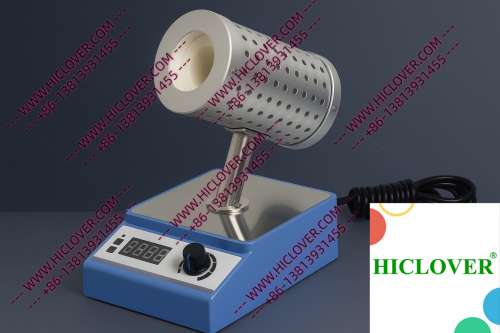
- Rapid Sterilization: Heats up quickly, allowing for continuous workflow.
- Safety: Eliminates the fire risk associated with traditional flame methods.
- Aerosol-Free Handling: Reduces contamination during use.
- Compact Design: Space-efficient, suitable for various laboratory settings.
Application Scenarios in Real Labs
1. Clinical Diagnostics Laboratories
In clinical diagnostics, particularly within BSL-2 laboratories, the need for robust sterilization techniques is paramount. The Micro Incinerator’s rapid thermal sterilization provides an effective barrier against microorganisms, ensuring that multi-user environments remain safe and free from cross-contamination. With a clean and manageable workflow, technicians can swiftly sterilize inoculating tools between sample processing, enhancing efficiency and safety.
2. University Teaching Labs
In academic settings, specifically university teaching labs, the Micro Incinerator plays a crucial role in educating future scientists. Students can practice sterile techniques without the risks associated with flame sterilizers. As they learn to manage contamination control, the infrared sterilizer aids in maintaining a safe and regulated environment conducive to learning.
Compliance and Environmental Considerations
Adhering to international biosafety and lab sterilization standards is critical for laboratories in Pakistan. The World Health Organization (WHO) recommends stringent measures for maintaining biosafety, particularly in microbiological facilities. Using micro incinerators aligns with WHO guidelines, as they pose no open flames, making them suitable for clean rooms and BSL-3 environments. Moreover, the lack of combustion helps prevent potential air quality violations related to emissions from traditional burners.
Comparison: Micro Incinerator vs. Traditional Flame Burners
| Feature | Micro Incinerator | Flame Burners |
|---|---|---|
| Heating Method | Infrared | Open Flame |
| Time to Sterilize | Seconds | Minutes |
| Risk of Fire | None | High |
| Aerosol Production | None | High |
| Efficacy | High | Variable |
FAQs
- What is a Micro Incinerator?
A Micro Incinerator is a high-temperature sterilization device that uses infrared heat to sterilize laboratory instruments quickly and effectively. - How does the Infrared Inoculating Loop Sterilizer work?
The device generates rapid thermal energy through an enclosed ceramic tube, allowing for sterilization without the hazards of an open flame. - Where can Micro Incinerators be used?
They can be used in various environments, including clinical diagnostics, university labs, and field testing settings. - Are Micro Incinerators compliant with biosafety standards?
Yes, they meet WHO biosafety and sterilization standards, making them suitable for clean-room environments. - What advantages do Micro Incinerators have over traditional methods?
They provide faster and safer sterilization while reducing contamination risks associated with flame sterilizers.
Conclusion
In conclusion, Micro Incinerators, specifically the Infrared Inoculating Loop Sterilizers, are revolutionizing sterilization workflows in Pakistan’s laboratories. They not only enhance safety and efficiency but also contribute to a cleaner and more compliant laboratory environment. For those seeking to elevate their lab sterilization practices, contacting us or exploring our product offerings could be the next step toward achieving optimal biosafety. Let’s work together to create a cleaner future for our cities and labs.
Categories:
Tags: