
In the realm of laboratory biosafety, efficient sterilization is paramount. Laboratories across Nairobi and the greater region face numerous challenges—from preventing cross-contamination to ensuring compliance with strict health regulations. Among the various tools at a laboratory’s disposal, the Micro Incinerator or Infrared Inoculating Loop Sterilizer stands out, thanks to its adaptability and efficiency in sterilization workflows.
Understanding the Micro Incinerator: A Technical Overview
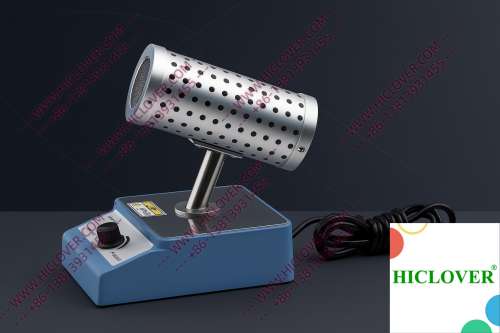
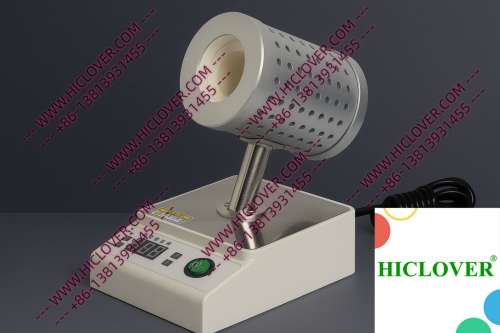
At its core, the Micro Incinerator utilizes infrared heat to achieve rapid thermal sterilization. This device typically features an enclosed ceramic tube that generates high-temperature disinfection. The design minimizes the emission of aerosols, making it exceptionally suitable for clean-bench-safe environments where contamination control is critical.
In comparison to traditional flame sterilizers such as alcohol lamps or Bunsen burners, micro incinerators offer several advantages:
- Safety: They eliminate the risks associated with open flames, making them ideal for BSL-2 and BSL-3 laboratories.
- Control: The precise heating capability reduces the risk of overheating samples.
- Efficiency: The rapid thermal response allows for quicker sterilization cycles, improving overall workflow.
Applications in Real-world Laboratory Environments
Micro Incinerators are versatile tools that find application in various laboratory settings. Here are two specific scenarios:
1. University Teaching Labs
In university settings, where students learn microbiology and related fields, the micro incinerator serves as an essential training tool. It provides an effective means for students to practice sterilization techniques without the hazards associated with flames. For example, during experiments in a biosafety cabinet, students can rapidly sterilize inoculating loops after each use, ensuring that their work remains uncontaminated.
2. Field Testing Laboratories
In the context of mobile or field testing labs, where researchers may work in remote locations, the portability and safety of micro incinerators become significant advantages. In situations where electricity supply is unstable, these units can be battery operated, allowing researchers to maintain strict contamination control even in adverse conditions.
Compliance and Environmental Standards
Adopting the Micro Incinerator aligns seamlessly with compliance standards set forth by organizations like the WHO. Its design caters to the stringent requirements for laboratory sterilization, in particular for BSL-2 and BSL-3 biosafety standards. Particularly important is the requirement for sterilization processes that prevent flame usage in clean rooms, thereby lowering the risk of fire and contamination.
In Nairobi, laboratories must also adhere to local health regulations that govern laboratory practices. This obligation emphasizes the need for equipment like the Micro Incinerator, which aids in maintaining a clean and safe working environment.
Cost Considerations for Medical Lab Equipment
When exploring sterilization equipment, the investment is a significant consideration for laboratory supply distributors, hospitals, and research centers. Prices for Micro Incinerators in Nairobi can vary based on the model, capacity, and additional features.
Comparison of Micro Incinerator vs. Traditional Flame Burners
| Feature | Micro Incinerator | Flame Burner |
|---|---|---|
| Operational Safety | High (no open flames) | Moderate (risk of fire) |
| Heat Control | Precise | Variable |
| Contamination Risk | Lower (aerosol-free) | Higher (aerosol generation) |
| Efficiency | High (rapid cycles) | Moderate (long warm-up time) |
Frequently Asked Questions
What is the primary advantage of using a Micro Incinerator over flame sterilizers?
The most significant advantage is safety; micro incinerators operate without open flames, reducing the risk of accidental fires and poisoning from inhaling burnt gases.
How does the pricing of Micro Incinerators compare to traditional sterilizers?
While upfront costs for Micro Incinerators may be higher, their efficiency and safety can lead to long-term savings and reduced operational risks.
Are Micro Incinerators suitable for field testing labs?
Yes, these devices are portable and can operate effectively even in power-variable environments, making them ideal for field applications.
How can I ensure compliance with WHO biosafety standards when using sterilizers?
By selecting sterilizers designed for lab safety and confirming that they meet local regulations and WHO biosafety requirements, you can maintain compliance effectively.
What factors should I consider when purchasing a Micro Incinerator?
Consider the unit’s capacity, portability, safety features, heating precision, and compliance with local and international lab safety regulations.
Conclusion
As you navigate the costs associated with laboratory sterilization equipment in Nairobi, the Micro Incinerator offers a compelling solution that marries safety and efficiency. With its advanced features tailored for modern laboratory environments, it stands out as a prudent investment for hospitals, universities, and research centers aiming to uphold the highest standards of biosafety and sterilization. Don’t hesitate to contact us for more information or to discuss your specific sterilization needs!
Categories:
Tags: