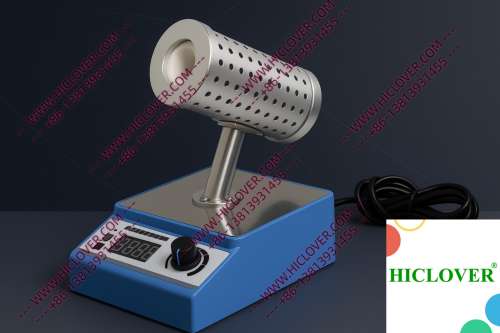
In the ever-evolving landscape of laboratory biosafety, maintaining stringent sterilization protocols is critical for ensuring contamination control and operational integrity. Mombasa Hospital has taken a significant step in enhancing its waste management capabilities by introducing a state-of-the-art Micro Incinerator, specifically designed for laboratory sterilization. This innovative solution targets common biosafety challenges faced by various laboratory environments, such as BSL-2 and BSL-3 microbiology labs, clinical diagnostics, and mobile field testing labs.
Understanding the Technical Principles of Micro Incinerators
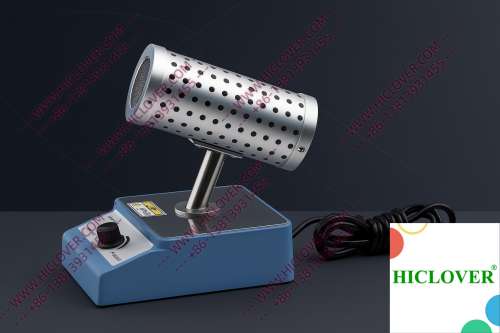
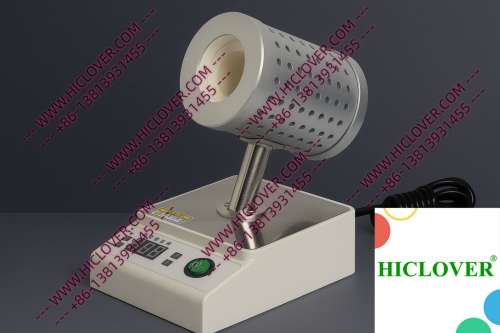
At the heart of the Micro Incinerator’s function is a high-efficiency infrared heating system. Unlike traditional flame sterilizers, such as alcohol lamps and Bunsen burners, the Micro Incinerator utilizes an enclosed ceramic heating chamber that generates rapid thermal sterilization. This makes it particularly effective for sterilizing inoculating loops and other laboratory implements without the risks associated with open flames.
The infrared heat produced by the device ensures an even distribution of temperature, allowing for quick and effective sterilization while minimizing aerosol generation. This closed-system design not only enhances safety but also ensures compliance with guidelines set forth by organizations like the World Health Organization (WHO) regarding safe laboratory practices.
Advantages of Micro Incinerators over Traditional Flame Sterilizers
The traditional methods of sterilization—while widely used—are fraught with limitations. Here’s a brief comparison that highlights the advantages of Micro Incinerators:
| Feature | Micro Incinerator | Flame Sterilizer |
|---|---|---|
| Heat Source | Infrared | Open flame |
| Temperature Control | Precise and uniform | Variable and less controlled |
| Aerosol Generation | Minimal | High |
| Safety | Enclosed design | Open, risk of burns |
| Compliance with WHO standards | Yes | Less compliant |
Application Scenarios in Real Laboratory Environments
1. Biosafety Cabinet Operations
In a typical BSL-2 laboratory, the Micro Incinerator can be seamlessly integrated into the workflow within biosafety cabinets. When utilizing an inoculating loop, laboratory personnel can comfortably sterilize the loop without concerns about flame exposure or cross-contamination. The device’s rapid thermal sterilization allows for efficient microbiological work, keeping the environment clean and compliant with biosafety standards.
2. Field Testing and Outdoor Applications
When conducting field tests, maintaining laboratory standards can be challenging. The portability and ease of use of the Micro Incinerator make it an ideal tool for researchers working in outdoor settings or remote locations. By providing a safe and reliable means of sterilization, it enhances workflow efficiency and ensures the integrity of sample handling and processing—even in challenging environments.
Regulatory Compliance: A Necessity for Laboratories
Adhering to biosafety compliance standards is essential for any laboratory. The introduction of Micro Incinerators helps laboratories align with various international guidelines, including those set by the WHO. These guidelines emphasize the importance of minimizing contamination risks, especially in cleanroom environments where open flames are strictly prohibited. Furthermore, the Micro Incinerator’s design facilitates compliance with laboratory sterilization standards, making it a valuable asset for any research institution, hospital, or university.
Features and Benefits of the Micro Incinerator
- Rapid Sterilization: Quick heat-up times allow for effective sterilization in seconds.
- Increased Safety: Enclosed heating minimizes fire hazards and protects users.
- Clean-Bench-Safe: Designed to function efficiently in cleanroom environments.
- Aerosol-Free Handling: Reduces contamination risks in sensitive laboratory situations.
FAQs About Micro Incinerators
What is a Micro Incinerator?
A Micro Incinerator is an advanced sterilization device that utilizes infrared heat for rapid and effective sterilization of laboratory tools, particularly inoculating loops.
How does it compare to traditional sterilizers?
Micro Incinerators offer a safer, more efficient alternative by eliminating open flames, providing precise temperature control, and reducing aerosol generation, which traditional sterilizers can create.
Can Micro Incinerators be used in field settings?
Yes, their portability and ease of use make them suitable for field testing scenarios where access to traditional power sources and facilities may be limited.
Is the Micro Incinerator compliant with WHO standards?
Absolutely! The design adheres to WHO biosafety standards, ensuring safe and efficient operations in laboratory environments.
What types of labs benefit from using a Micro Incinerator?
BSL-2 and BSL-3 microbiology labs, clinical diagnostic facilities, university teaching labs, and mobile or field testing labs can all benefit from the enhanced sterilization capabilities of a Micro Incinerator.
Conclusion
Mombasa Hospital’s initiative to integrate Micro Incinerators into their waste management protocols represents a significant advancement in laboratory sterilization technology. This innovative solution not only improves safety and efficiency in sterilization workflows but also ensures compliance with essential biosafety standards. For laboratories looking to upgrade their sterilization practices, investing in a Micro Incinerator is a forward-thinking choice that yields optimal results. Contact us today to learn more about how our Micro Incinerator can enhance your laboratory operations!
Categories:
Tags: