
Laboratory biosafety remains a critical aspect of microbiological research and clinical diagnostics. The need for effective sterilization equipment is paramount, primarily when working with infectious pathogens in BSL-2 or BSL-3 microbiology labs. One of the most reliable methods of sterilization in laboratory settings is by using a Micro Incinerator or Infrared Inoculating Loop Sterilizer. In this article, we will explore the practical challenges of sterilization workflows, the technical principles of these devices, application scenarios in real labs, compliance with international standards, and more.
Understanding Sterilization Challenges in Laboratories
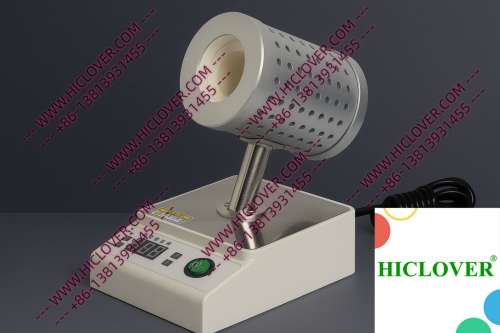
Among the various biosafety challenges faced by laboratories, ensuring contamination control is vital. Rapid thermal sterilization is essential to eliminate microorganisms on inoculating loops and other instruments effectively. Traditional methods often involve open flames, which pose risks in terms of contamination and safety, especially within clean rooms. Moreover, reliance on alcohol lamps and Bunsen burners can lead to dangerous aerosols, undermining the safety protocols essential for laboratory environments.
Technical Principles of Infrared Inoculating Loop Sterilizers
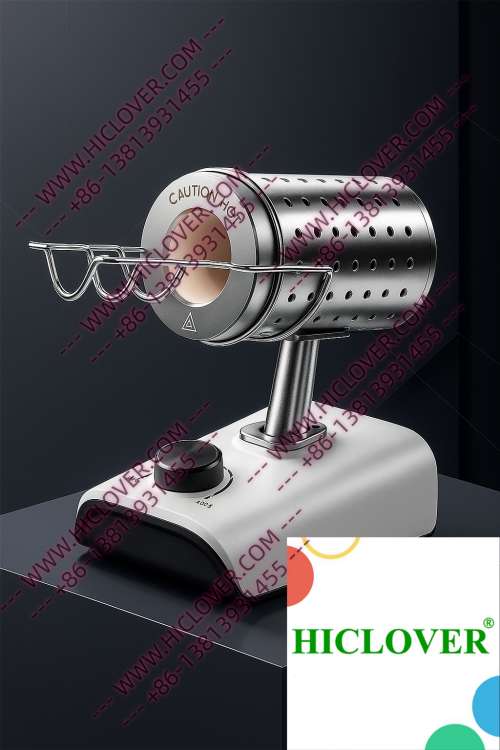
The Micro Incinerator utilizes an enclosed ceramic heating chamber that generates infrared heat. This technology offers high-temperature disinfection quickly and efficiently, achieving sterilization in seconds. Compared to traditional flame sterilizers, this method is notably clean-bench-safe, preventing the release of harmful aerosols and reducing fire hazards. The compact design and immediate heat generation favored by researchers mean that workflow interruptions, common with traditional methods, are minimized.
Exploring Real-World Applications
-
Application Scenario 1: Biosafety Cabinets
In many laboratories, the Micro Incinerator is used within biosafety cabinets. This setup ensures that sterilization occurs in a controlled environment, minimizing contamination risks while maintaining compliance with regulatory standards. The isolated nature of the cabinet further enhances safety, allowing researchers to handle potent pathogens effectively.
-
Application Scenario 2: Field Testing
Field testing presents unique challenges, particularly in maintaining sterile techniques in varying environments. The portability of the Micro Incinerator makes it an excellent choice for mobile laboratories. It allows for quick sterilization of inoculating loops in the field, ensuring that research is not compromised by microbial contamination.
Compliance and Environmental Considerations
Compliance with local and international biosafety standards is non-negotiable in laboratory settings. The World Health Organization (WHO) outlines critical guidelines regarding laboratory practices that involve the handling of biological agents. For instance, laboratories must adhere to protocols that stipulate not using open flames in clean room environments to avoid contamination risks. Additionally, facilities must consider local regulations concerning laboratory sterilization—a clear and evolving landscape shaped by advancements in technology and science.
Compliance Reference: Sterilization Standards
| Parameter | Micro Incinerator | Flame Burners |
|---|---|---|
| Temperature Control | Precise, rapid heating | Variable, often inconsistent |
| Safety | Reduced aerosol, no open flames | Potential fire hazards |
| Efficiency | Immediate sterilization | Time-consuming |
| Compliance with Standards | Meets WHO & other regulatory requirements | May violate clean room protocols |
Frequently Asked Questions
- What is a Micro Incinerator, and how does it work?
A Micro Incinerator is a sterilization device that uses infrared heat to rapidly sterilize inoculating loops and other laboratory instruments. It operates by heating a ceramic tube to high temperatures, allowing for efficient microbial destruction.
- What are the advantages of using an Infrared Inoculating Loop Sterilizer over traditional methods?
Infrared Inoculating Loop Sterilizers provide consistent sterilization, minimize contamination risk through aerosol-free handling, and offer improved safety due to their enclosed design.
- Can Micro Incinerators be used in BSL-2 labs?
Yes, Micro Incinerators are ideal for BSL-2 labs, providing a safe and effective means of sterilization in conjunction with proper biosafety protocols.
- What maintenance does a Micro Incinerator require?
Routine cleaning, checking for ceramic tube integrity, and ensuring that all electrical components operate properly are key maintenance tasks that ensure optimal performance.
- Where can I buy a Micro Incinerator?
You can find high-quality Micro Incinerators from specialized laboratory supply distributors or manufacturers. Be sure to consider compliance with your local regulations when choosing equipment.
Conclusion
As laboratories navigate the complexities of biosafety and sterilization compliance, investing in advanced sterilization equipment like the Micro Incinerator becomes essential. The combination of rapid thermal sterilization, efficient design, and adherence to stringent regulatory standards makes it an ideal choice for a variety of applications, from teaching labs to mobile field testing. By opting for a Micro Incinerator, you are enhancing both safety and productivity in your workspace. For inquiries and purchases, feel free to reach out—we are here to assist you!
Categories:
Tags: