
In the intricate realm of laboratory operations, maintaining a stringent biosafety standard while ensuring efficient sterilization processes is paramount. The demands for reliable sterilization methods have driven the adoption of advanced equipment such as the Micro Incinerator / Infrared Inoculating Loop Sterilizer. This guide will navigate through the costs associated with these sterilizers in Colombo, Sri Lanka, focusing on their crucial role in laboratory settings.
Challenges in Laboratory Biosafety
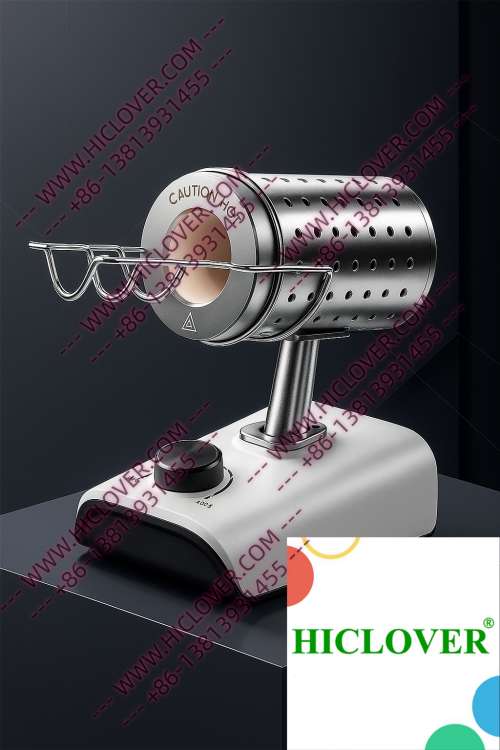
Laboratories today face significant biosafety challenges, particularly regarding contamination control and efficient sterilization workflows. Traditional methods, such as alcohol lamps and Bunsen burners, while widely used, pose risks like flame accidents and aerosol generation. Such issues amplify the need for innovative solutions that prioritize safety and efficiency, especially in high-stakes environments like BSL-2 and BSL-3 microbiology labs.
Technical Principles of Infrared Loop Sterilizers
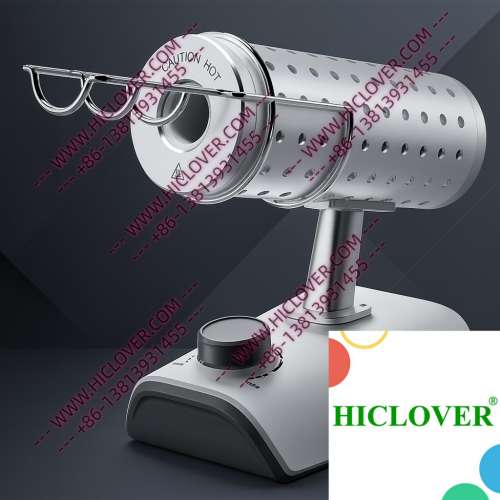
The Micro Incinerator operates on the principle of rapid thermal sterilization. It utilizes an enclosed ceramic heating chamber that reaches temperatures capable of ensuring complete sterilization. The infrared heating technology provides a highly efficient method for achieving near-instantaneous sterilization of inoculating loops and other laboratory tools without open flames.
With an operational setup that involves placing the loop into the ceramic tube, users can achieve high-temperature disinfection in seconds. This closed-system design not only enhances safety by mitigating risk from open flames but also ensures the absence of aerosols, making it suitable for use in clean benches and biosafety cabinets.
Applications in Real Laboratories
- Biosafety Cabinets: In a BSL-2 microbiology lab, using an infrared inoculating loop sterilizer allows for safe transfer of pathogens without the risk of flame exposure or contamination.
- Field Testing: For field labs conducting microbiological studies, the portability and efficiency of infrared sterilizers provide a reliable means for contamination control, especially in rural or challenging environments.
- University Teaching Labs: Educational institutions benefit from integrating these sterilizers in proper laboratory practices, fostering a safe learning environment for students learning essential microbiological techniques.
Compliance with Global Standards
Compliance with international biosafety standards is a critical aspect of laboratory operations. According to the World Health Organization (WHO) biosafety guidelines, controlling contamination and maintaining sterile environments is essential. Infrared sterilizers are particularly effective in clean rooms and environments where flame use is not permissible.
Furthermore, the relevant standards for laboratory sterilization equipment emphasize the need for no open flames in clean environments. By utilizing infrared loop sterilizers, labs can not only comply with WHO guidelines but also enhance their operational workflow while reducing the risks associated with conventional methods.
Cost Factors and Pricing Guidance in Colombo
When exploring the market for Micro Incinerator / Infrared Inoculating Loop Sterilizers in Colombo, several factors influence pricing:
- Equipment Specifications: Advanced features such as adjustable temperature controls or integrated safety systems can vary the cost.
- Supplier and Brand: Different manufacturers may offer competitive pricing based on technology and market positioning.
- Volume Discounts: Purchasing in bulk often results in reduced unit costs for laboratories or organizations.
Typical price ranges for these sterilizers in Colombo are approximately LKR 50,000 to LKR 100,000, depending on the aforementioned factors. It’s essential for buyers to evaluate their specific requirements against these costs to make informed purchasing decisions.
Micro Incinerator vs. Traditional Flame Sterilizers: A Comparison
| Feature | Micro Incinerator | Flame Sterilizer |
|---|---|---|
| Operational Safety | Flame-free, reduced aerosol risk | Open flame, higher risk of accidents |
| Efficiency | Rapid thermal sterilization in seconds | Variable duration, depending on flame intensity |
| Cleanroom Compliance | Ideal for use in sterile environments | Not suitable for clean rooms |
| Ease of Use | Simple insertion into heating chamber | Requires flame lighting and monitoring |
FAQs About Micro Incinerator Sterilizers
- What is the lifespan of a Micro Incinerator? The lifespan varies by model and usage but can be several years with proper maintenance.
- Are Micro Incinerators suitable for all types of lab sterilization? They are ideal for sterilizing inoculating loops but can be limited by their design for larger equipment.
- How often should the sterilization equipment be calibrated? Calibration should typically be done annually or per manufacturer recommendations to ensure optimal performance.
- Can these sterilizers operate in field conditions? Yes, many models are designed for portability, making them suitable for field testing applications.
- What maintenance is required for the Infrared Inoculating Loop Sterilizer? Regular cleaning of the heating chamber and ensuring all components are functioning correctly will extend the lifespan.
Conclusion and Call to Action
Investing in a Micro Incinerator / Infrared Inoculating Loop Sterilizer is a pivotal step towards enhancing laboratory safety and operational efficiency. With their notable advantages over traditional flame sterilizers, these units promise to transform how sterilization processes are conducted across various laboratory environments in Colombo, Sri Lanka.
If you’re ready to improve your laboratory workflows and ensure compliance with biosafety standards, consider contacting our team for a competitive quote or more information on our range of sterilization solutions. Let’s take your lab’s safety and efficiency to the next level!
Categories:
Tags: