
In the heart of Kathmandu, hospitals are facing significant challenges when it comes to biosafety and waste management. As healthcare facilities grapple with the demands of laboratory sterilization and the management of biohazardous waste, innovative solutions are essential. One such solution that is making waves is the Micro Incinerator, particularly the Infrared Inoculating Loop Sterilizer. This advanced technology not only enhances sterilization workflows but also contributes to a more sustainable waste management strategy within clinical settings.
Understanding the Technical Principles of Micro Incinerators
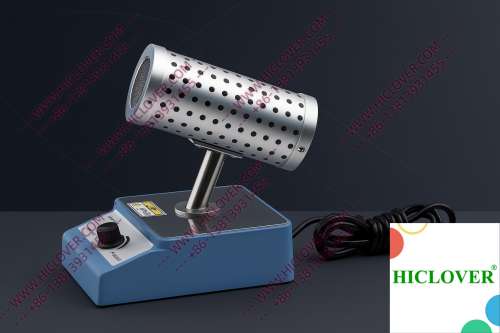
Micro Incinerators leverage cutting-edge technology to achieve rapid thermal sterilization through infrared heat. The core of this device is its enclosed ceramic heating chamber, which efficiently generates high temperatures essential for disinfecting inoculating loops, scalpel blades, and other lab equipment.
- Infrared Thermal Energy: The use of infrared heat allows for immediate and consistent temperature regulation, ensuring effective microbial eradication without the prolonged exposure required by traditional flame-based sterilizers.
- Safe and Efficient Design: These sterilizers are designed to operate in clean environments, eliminating the need for open flames. This is particularly vital in BSL-2 or BSL-3 microbiology labs, where contamination control is paramount.
Applications in Laboratory Settings
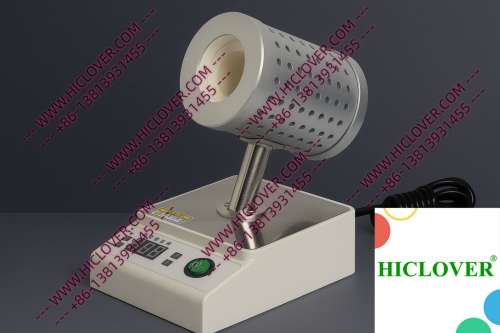
Micro Incinerators have versatile applications in various laboratory settings, including:
1. Biosafety Cabinets
Within biosafety cabinets, the use of an Infrared Inoculating Loop Sterilizer provides a clean, aerosol-free method for sterilizing inoculating loops. Traditionally, the burning of loops with Bunsen burners posed risks, including potential contamination from fumes. The micro incinerator addresses these issues effectively.
2. Field Testing Labs
In mobile laboratory settings, such as those conducting field testing in remote areas of Kathmandu, portability and reliability are crucial. Micro Incinerators offer a compact solution that enables safe sterilization of tools in situ, reducing waste and ensuring adherence to hygiene protocols under less-than-ideal conditions.
Compliance with Biosafety and Sterilization Standards
Global health organizations like the WHO have established protocols for laboratory sterilization to minimize infection risks. Compliance with these standards is critical in preventing biohazard infections, particularly in hospital settings. Micro Incinerators align with:
- WHO Biosafety Guidelines: Ensure that waste management practices reduce the risk of contamination.
- Laboratory Sterilization Standards: Adhere to protocols for safe sterilization processes in clinical and teaching laboratories.
- No Flame in Clean Rooms: Eliminate open flames in areas requiring stringent cleanliness, making them suitable for operation near CO₂ incubators and anaerobic chambers.
Advantages of Micro Incinerators Over Traditional Flame Sterilizers
Micro Incinerators stand out against traditional methods due to their safety, efficiency, and effectiveness in various lab environments.
Comparison Table: Micro Incinerators vs. Flame Sterilizers
| Feature | Micro Incinerator | Flame Sterilizer |
|---|---|---|
| Safety | No open flame, reduced risk of burns | Fire hazards, requires careful handling |
| Efficiency | Rapid thermal sterilization with high temperature | Variable temperature, slower process |
| Contamination Control | Minimizes aerosol dispersal and contamination | Potential for fume contamination |
| Portability | Compact and easy to transport | Can be bulky and requires a gas source |
FAQs about Micro Incinerators
What is a Micro Incinerator?
A Micro Incinerator is a sterilization device that uses infrared heat to quickly and effectively sterilize inoculating loops and other laboratory equipment, ensuring high levels of biosafety.
How does an Infrared Inoculating Loop Sterilizer work?
The sterilizer generates consistent high temperatures using infrared technology, allowing for rapid microbial elimination without the use of open flames.
Are Micro Incinerators safe for use in teaching labs?
Yes, due to their enclosed design and lack of open flames, Micro Incinerators are highly recommended for educational settings, minimizing risks of burns or contamination.
What are the benefits of using Micro Incinerators in hospitals?
They enhance waste management, ensure compliance with biosafety standards, and provide efficient sterilization, ultimately improving the overall laboratory workflow.
What kind of maintenance do Micro Incinerators require?
Regular cleaning of the ceramic heating chamber and periodic inspection are recommended to maintain optimal performance and hygiene.
Conclusion: The Future of Lab Sterilization in Kathmandu
As hospitals in Kathmandu continue to evolve, investing in cutting-edge solutions like Micro Incinerators is essential for improving laboratory sterilization workflows and waste management practices. With their superior safety features and efficiency, these devices position Nepal’s healthcare facilities to better meet the demands of 21st-century biomedical challenges. You’ve seen the advantages; consider incorporating the Infrared Inoculating Loop Sterilizer into your lab today!
Categories:
Tags: