
In the world of laboratory biosafety, maintaining a sterile environment is no longer just a regulatory requirement but a critical component of efficient workflows. Traditional sterilization methods, such as alcohol lamps and Bunsen burners, often leave behind messy residues and present numerous safety hazards, especially in sensitive environments. Enter the Micro Incinerator or Infrared Inoculating Loop Sterilizer—an innovative solution that addresses these challenges head-on.
Understanding Infrared Sterilization Technology
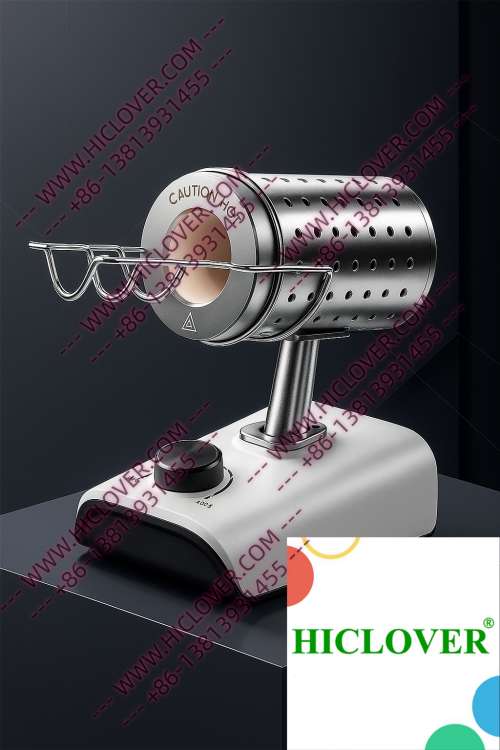
The Micro Incinerator is engineered based on advanced infrared heat technology. This device utilizes a closed ceramic heating chamber that generates high temperatures rapidly, effectively sterilizing inoculating loops, needles, and other tools without the need for open flames. Unlike traditional methods, this technology minimizes the risk of cross-contamination and ensures a clean, spatter-free environment.
Key technical principles include:
- Infrared Heat Transfer: The sterilizer operates by emitting infrared radiation, which penetrates the surface of the tool and rapidly raises its temperature to the sterilization threshold.
- Enclosed Ceramic Tube: This design not only enhances safety by containing the sterilization process but also makes post-use clean-up straightforward by preventing spattering.
- No Residue: The absence of flames means there’s no burning of alcohol or other substances, resulting in a cleaner workspace free from soot and debris.
- Biosafety Level (BSL) compliance for microbiological testing, such as BSL-2 and BSL-3 standards.
- Requirements for no open flame in cleanroom environments to avoid contamination.
- Adherence to local and international sterilization standards that dictate the use of non-toxic methods for healthcare environments.
Real Lab Scenarios: The Versatility of Micro Incinerators
The adaptability of Micro Incinerators shines in various laboratory settings. Below are two compelling applications:
Biosafety Cabinets
In BSL-2 and BSL-3 microbiology labs, controlling contamination is paramount. Using traditional flame sterilizers can pose a risk of flammable aerosol creation within biosafety cabinets. The Micro Incinerator’s spatter-free technology mitigates this risk, offering rapid thermal sterilization while maintaining the integrity of the clean environment.
University Teaching Labs
In academic settings, such as teaching labs, the need for accessible and efficient sterilization equipment is critical. The convenience of the Micro Incinerator enables students to quickly sterilize inoculating loops between samples without creating a fire hazard. Additionally, it supports a more streamlined learning experience by eliminating the clean-up hassles associated with traditional flame-based methods.
Compliance with International Standards
Adhering to biosafety regulations and lab sterilization standards is essential for laboratories across the globe. The World Health Organization (WHO) and various local guidelines emphasize the importance of employing sterilization methods that uphold safety and environmental integrity.
Key compliance considerations include:
Micro Incinerator vs. Traditional Flame Sterilizers
When comparing the Micro Incinerator to traditional flame sterilizers such as alcohol lamps or Bunsen burners, several advantages become apparent:
| Feature | Micro Incinerator | Flame Burners |
|---|---|---|
| Operational Safety | Spatter-free, enclosed design | Open flame, risk of spills |
| Clean-Up | No residual burn marks | Requires thorough clean-up of soot and spills |
| Efficiency | Rapid thermal sterilization | Slower, requires constant monitoring |
| Compliance | Meets WHO standards | May not meet clean room requirements |
FAQs About Micro Incinerators
1. What types of materials can be sterilized using a Micro Incinerator?
The Micro Incinerator is designed to sterilize inoculating loops, needles, glassware, and other laboratory instruments suitable for heat sterilization.
2. How long does it take to sterilize tools with a Micro Incinerator?
The sterilization process is rapid, typically taking just a few seconds to achieve the required temperature for effective sterilization.
3. Is the Micro Incinerator safe to use in cleanrooms?
Yes, the enclosed design and lack of open flame make it especially appropriate for use in cleanroom environments, adhering to stringent safety standards.
4. Can a Micro Incinerator be used in field testing labs?
Absolutely! Its portability and efficient operation make it well-suited for field applications, enhancing sterilization capabilities in various settings.
5. How does the Micro Incinerator contribute to biosafety?
By enabling effective sterilization without flames, it reduces contamination risks, making it vital for maintaining a safe laboratory environment that complies with biosafety regulations.
Conclusion
In summary, the Micro Incinerator / Infrared Inoculating Loop Sterilizer offers a spatter-free, efficient, and compliant solution to traditional sterilization challenges faced by laboratories today. Its applications span various environments, from BSL-2 microbiology labs to university teaching settings, demonstrating its versatility and safety advantages.
If you’re looking to enhance your laboratory’s sterilization capabilities without the clean-up woes of traditional methods, consider investing in a Micro Incinerator. Reach out today for more information or to place your order, and take the first step toward a cleaner, safer laboratory environment.
Categories:
Tags: