
Laboratory biosafety poses significant challenges in various settings, especially in developing countries. As research facilities, universities, and hospitals in Uganda strive for higher standards of sanitation and infection control, the need for effective sterilization tools is critical. The rising issue of pollution and waste management has led to the innovative adoption of micro incinerators, particularly the Micro Incinerator / Infrared Inoculating Loop Sterilizer, as viable solutions to these pressing concerns.
Understanding the Technical Principles
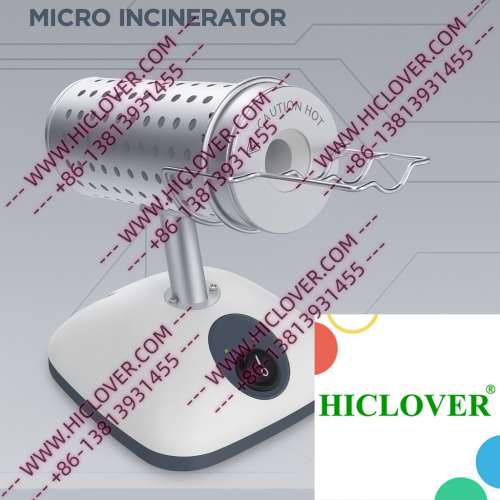
The Micro Incinerator utilizes infrared heat to provide rapid thermal sterilization of inoculating loops and other small laboratory instruments. Encased within a ceramic heating chamber, it effectively generates high temperatures without creating harmful aerosols or flames. Unlike traditional methods such as alcohol lamps or Bunsen burners, which present considerable risks of contamination and flammability, this modern sterilization device offers numerous advantages.
- Clean-bench-safe: Safe for use in biosafety cabinets.
- Aerosol-free handling: Reduces the risk of airborne contamination.
- Rapid heating: Ensures quick turnaround for sterilization needs.
- Environmentally friendly: Minimizes waste produced during sterilization processes.
- What makes the Micro Incinerator preferable to traditional sterilizers?
It offers faster, safer sterilization without the risks associated with open flames. - Can the Micro Incinerator be used in field settings?
Yes, its compact design and efficient sterilization capabilities make it ideal for mobile health units. - Is the Micro Incinerator compliant with WHO standards?
Absolutely, it aligns with international biosafety guidelines for laboratory sterilization. - What is the maintenance required for a Micro Incinerator?
Minimal maintenance is required, primarily periodic cleaning to maintain efficiency. - How does it enhance laboratory workflow?
It provides a rapid sterilization process that improves efficiency and reduces downtime for researchers.
Application Scenarios of Micro Incinerators
1. University Teaching Labs
In universities across Uganda, the Micro Incinerator serves as an essential tool for teaching microbiology students about proper laboratory techniques. Students utilize it for sterilizing inoculating loops and other instruments, promoting a culture of biosafety and methodological precision. This not only ensures the safety of experimental processes but also encourages responsible waste management practices among future scientists.
2. Clinical Diagnostics in Resource-Limited Settings
In many Ugandan healthcare settings, the necessity for effective sterilization is paramount. Mobile health units often utilize Micro Incinerators in field testing to ensure that all biological samples are handled with the utmost care. The device’s compact design makes it an ideal choice for settings where space is limited, enabling healthcare workers to perform necessary procedures without compromising their safety or environmental integrity.
Compliance with Biosafety Standards
Compliance with internationally recognized biosafety standards is crucial for laboratories operating in Uganda. The Ministry of Health, along with guidance from organizations like WHO, emphasizes the importance of maintaining a sterile environment to minimize infection risks. The use of the Micro Incinerator aligns with these guidelines, offering a flame-free solution that adheres to cleanliness standards required in clean rooms and laboratory environments.
“Incorporating micro incinerators into laboratory practices not only aligns with WHO biosafety standards but also reduces the pollution impact of laboratory waste.”
Micro Incinerator vs. Traditional Flame Sterilizers
| Feature | Micro Incinerator | Flame Sterilizers |
|---|---|---|
| Heat Source | Infrared Heat | Open Flame |
| Safety | No flame, aerosol-free handling | Flammable, risk of contamination |
| Speed | Rapid thermal sterilization | Variable, often slower |
| Environmental Impact | Minimal waste production | Possible waste accumulation |
Frequently Asked Questions
Conclusion
The integration of Micro Incinerators into Uganda’s laboratory practices represents a significant advancement in both safety and environmental responsibility. With increasing demands for reliable sterilization equipment, this modern solution is paving the way for cleaner, safer research and clinical environments. If you’re exploring top-notch laboratory sterilization solutions, consider reaching out to us today to learn more about the Micro Incinerator / Infrared Inoculating Loop Sterilizer and how it can transform your laboratory practices.
Categories:
Tags: