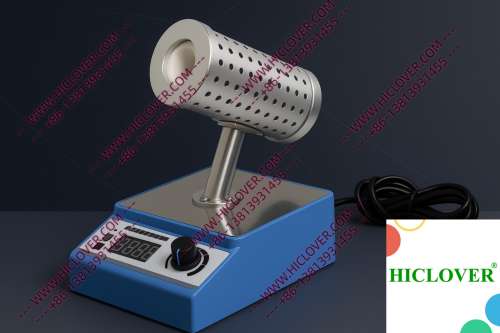
In the evolving landscape of laboratory biosafety, the introduction of state-of-the-art sterilization equipment has become crucial for effective pathogen control, particularly in regions like Rwanda. Laboratories encounter daily challenges in maintaining sterility while ensuring rapid workflow, especially in environments that demand high biosafety standards. Traditional flame sterilizers, while widely used, can compromise these essential conditions, necessitating a more advanced solution. Enter the Micro Incinerator / Infrared Inoculating Loop Sterilizer—a transformative tool in laboratory sterilization.
Features and Technical Principles of Micro Incinerators
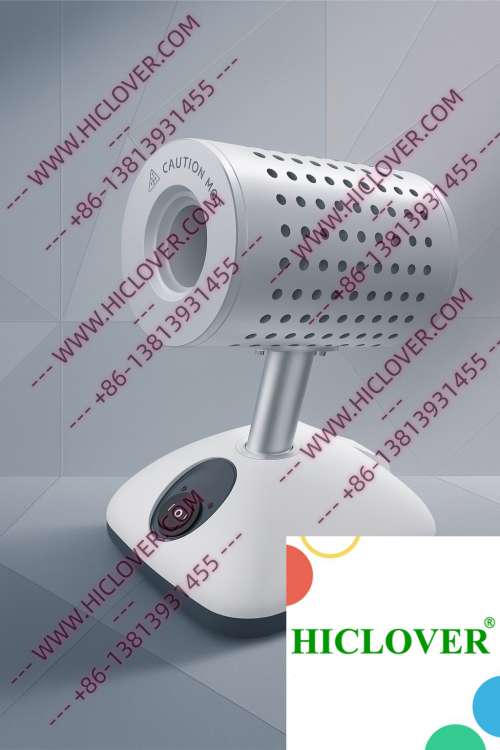
The Micro Incinerator operates on the principles of infrared heat and rapid thermal sterilization. Unlike conventional flame-based systems that pose risks of aeolian contamination and are unsuitable for cleanroom environments, this innovative device utilizes a ceramic heating chamber that provides enclosed and consistent temperatures, allowing for efficient disinfection without the drawbacks of open flames.
Advantages Over Traditional Flame Sterilizers
- Contamination Control: Minimizes aerosol production during operation.
- Fast and Efficient: Rapid thermal sterilization ensures quicker cycle times.
- Safety: Eliminates the risks associated with open flames, making it ideal for BSL-2 and BSL-3 environments.
- Versatility: Suitable for use in both facility laboratories and field settings.
- Non-flame sterilization: Ideal for cleanroom operations.
- Low emissions: Contributes toward environmentally sustainable practices in laboratory settings.
- Compliance with Local Regulations: Addresses Rwanda’s commitment to enhancing public health capabilities through reliable and safe laboratory practices.
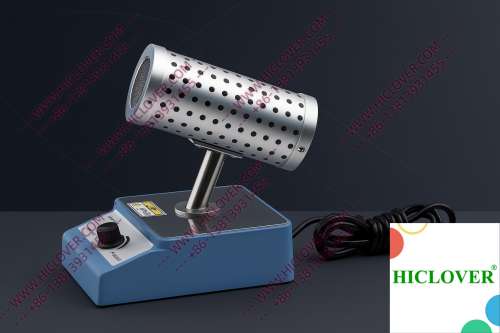
Application Scenarios in Laboratories
The versatility of the Micro Incinerator makes it ideal for project implementation in diverse laboratory scenarios:
1. University Teaching Labs
In academic institutions, particularly within Rwanda, the Micro Incinerator is used in microbiology courses to train students on biosafety practices. It allows students to practice aseptic techniques without the distractions and dangers of an open flame. The rapid sterilization process supports a timely educational flow, enabling students to conduct multiple experiments within a single lab session.
2. Field Testing Laboratories
In remote areas where laboratory access may be limited, field testing labs utilize Micro Incinerators to ensure immediate pathogen deactivation on-site. For instance, during community health initiatives, public health teams can deploy these sterilizers in portable formats to ensure that samples are handled safely, effectively preventing the risk of contamination that may hinder pivotal community health assessments.
Biosafety Compliance and Environmental Considerations
According to WHO guidelines for laboratory biosafety, proper sterilization practices are essential in laboratories handling pathogens. The Micro Incinerator aligns with these global standards by offering:
Insights on the Market Needs in Rwanda
Rwanda’s healthcare system is continually evolving, particularly as the nation invests in modern technologies for public health. Micro Incinerators offer a necessary advancement, ensuring sterilization processes meet biosafety standards. By shifting from flame-based methods to infrared technologies, Rwandan laboratories can enhance safety, improve workflow efficiency, and promote better control of contamination without compromising sterility in high-stakes environments.
Comparison: Micro Incinerator vs. Flame Burners
| Feature | Micro Incinerator | Flame Burners |
|---|---|---|
| Safety | No open flame, minimal risk | Risk of burns and flames |
| Contamination Control | Aerosol-free operation | Possible aerosol production |
| Efficiency | Rapid sterilization cycle | Longer heating times |
| Environmental Impact | Low emissions | Contributes to air quality issues |
FAQs About Micro Incinerators
What is the principle of operation for a Micro Incinerator?
The Micro Incinerator uses infrared heat generated by a ceramic heating chamber to achieve rapid and effective sterilization of inoculating loops, preventing contamination during laboratory work.
Can Micro Incinerators be used in field tests?
Yes, the portability and efficiency of Micro Incinerators make them suitable for field testing laboratories that operate in remote locations, allowing for immediate disinfection of samples.
Why is it critical to avoid open flames in cleanrooms?
Open flames can create uncontrolled conditions, promoting the risk of contamination and compromising the integrity of the cleanroom environment, which is why alternatives like Micro Incinerators are preferred.
How do Micro Incinerators ensure compliance with biosafety standards?
Micro Incinerators’ design minimizes aerosol production, operates without flames, and meets both WHO biosafety and local regulatory requirements, ensuring safe handling of pathogens.
What are the advantages of using a Micro Incinerator in educational settings?
In teaching labs, Micro Incinerators allow students to practice proper sterilization techniques safely, promoting better learning experiences without the inherent risks of open flames.
Conclusion
As Rwanda continues to strengthen its laboratory capabilities, the integration of Micro Incinerators marks a significant step forward in public health initiatives. The transition from traditional flame sterilizers to innovative loop sterilizers equips laboratories with the necessary tools to enhance biosafety, efficiency, and workflow effectiveness. For comprehensive solutions in laboratory sterilization equipment, reach out today for assistance in acquiring the Micro Incinerator—transforming your laboratory into a safer, more efficient environment.
Categories:
Tags: