
In recent years, the challenges surrounding laboratory biosafety and sterilization workflows have become increasingly evident. With the growing need for stringent contamination control, particularly in microbiology labs, efficient sterilization methods are essential. Traditional flame sterilizers, such as alcohol lamps and Bunsen burners, while effective, present significant safety concerns and limitations in various laboratory settings. One emerging technology poised to transform this landscape is the Micro Incinerator, specifically the Infrared Inoculating Loop Sterilizer, which offers rapid thermal sterilization without the risks associated with open flames.
Understanding the Technology: Principles Behind the Micro Incinerator
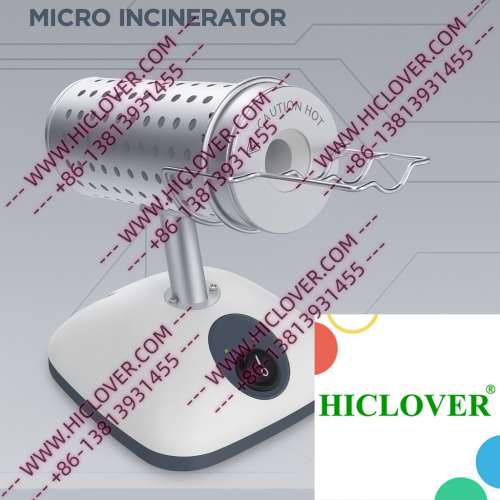
The Micro Incinerator operates on the principle of infrared heat, utilizing an enclosed ceramic heating chamber that reaches high temperatures almost instantly. This design effectively eliminates the need for flames, making the sterilization process not only safer but also more efficient. The device allows for aerosol-free handling, significantly reducing the risk of contamination during the sterilization of inoculating loops and other lab instruments.
Key Features of Micro Incinerators
- Rapid Sterilization: Achieves temperatures of up to 850°C in seconds, ensuring quick sterilization cycles.
- Safety: No open flame reduces the risk of fire hazards in the lab environment.
- Energy Efficiency: Consumes less energy compared to traditional flame sterilizers.
- Ease of Use: Simple operation with adjustable temperature settings for different sterilization needs.
- Compact Design: Space-saving and easy to integrate into BSL-2 and BSL-3 laboratory settings.
-
What is the operating temperature range of a Micro Incinerator?
The Micro Incinerator operates at high temperatures of up to 850°C, allowing for rapid sterilization of various instruments.
-
Are Micro Incinerators compliant with laboratory safety standards?
Yes, Micro Incinerators are designed to meet WHO biosafety and lab sterilization standards, making them suitable for BSL-2 and BSL-3 labs.
-
How does a Micro Incinerator compare to traditional flame sterilizers?
Micro Incinerators are faster, safer, and more energy-efficient than traditional flame sterilizers while eliminating aerosol risks.
-
Can Micro Incinerators be used in field testing environments?
Absolutely! The portable design of Micro Incinerators makes them ideal for field testing and outdoor laboratory settings.
-
What types of laboratories can benefit from using Micro Incinerators?
Micro Incinerators are beneficial for clinical diagnostics, university teaching labs, and microbiological research settings.
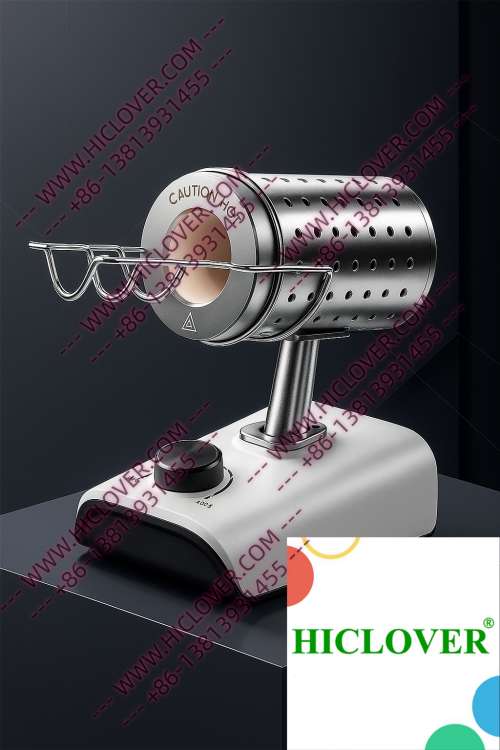
Application Scenarios in Modern Laboratories
Micro Incinerators are transforming laboratory workflows in various applications. Here are two significant use cases:
1. Biosafety Cabinets
In BSL-2 and BSL-3 microbiology labs, where pathogen handling requires strict containment measures, Micro Incinerators are becoming invaluable. Their ability to swiftly sterilize inoculating loops and tools while maintaining a clean, flame-free environment mitigates contamination risks. As researchers prepare samples for analysis, the Micro Incinerator enables them to efficiently decontaminate surfaces and instruments without introducing aerosols, thereby preserving the integrity of sensitive experiments.
2. Field Testing Laboratories
Field testing labs often operate in temporary or outdoor settings where traditional flame sterilizers may not be practical. The lightweight and portable nature of the Micro Incinerator allows for on-site sterilization of equipment and tools, facilitating safe and effective testing processes. Researchers can sterilize instruments quickly and thoroughly, ensuring that the integrity of samples collected in the field is maintained.
Compliance with Biosafety Standards
Adhering to biosafety standards is crucial for laboratory practices. The World Health Organization (WHO) has established guidelines for laboratory safety and sterilization methods, emphasizing the importance of aerosol-free disinfection processes. Micro Incinerators align with these standards by providing a clean and efficient way to sterilize instruments used in clinical diagnostics, university teaching labs, and more.
Moreover, the use of Micro Incinerators in clean rooms facilitates compliance with applicable lab sterilization standards. The absence of open flames ensures that contamination risks are minimized, making them suitable for operations alongside CO₂ incubators and anaerobic chambers, where even minor contaminations can compromise experiments.
Comparative Analysis: Micro Incinerator vs. Flame Sterilizers
| Feature | Micro Incinerator | Flame Sterilizer (Bunsen Burner) |
|---|---|---|
| Sterilization Speed | Rapid (seconds) | Slower (depending on flame strength) |
| Safety | No flame hazards | Fire risk |
| Aerosol Creation | No aerosols | Potential aerosols |
| Energy Efficiency | More efficient | Less efficient |
| Portability | Highly portable | Less portable |
Frequently Asked Questions
Conclusion
The emergence of Micro Incinerators in laboratory settings presents a transformative approach to sterilization, particularly in the context of China’s environmental policy. By providing an efficient, safe, and compliant method for sterilizing instruments, these devices address the pressing needs of modern research environments. For laboratory supply distributors, hospitals, and universities seeking to enhance their sterilization workflows, investing in a Micro Incinerator or Infrared Inoculating Loop Sterilizer can be a game-changer. Explore the possibilities today, and elevate your laboratory’s standards of safety and efficacy.
Categories:
Tags: