
In laboratories worldwide, maintaining biosafety and controlling contamination is paramount to successful experiments and analysis. As scientific inquiry intensifies, the reliability of laboratory sterilization equipment is put to the test, especially in high-stakes environments such as BSL-2 and BSL-3 microbiology labs. Here, traditional flame-based methods often fall short in meeting modern safety and workflow demands. Luckily, innovative solutions like the Micro Incinerator, also known as the Infrared Inoculating Loop Sterilizer, are revolutionizing how labs ensure sterile environments without the risks associated with flame sterilizers.
Technical Principles Behind Infrared Sterilization
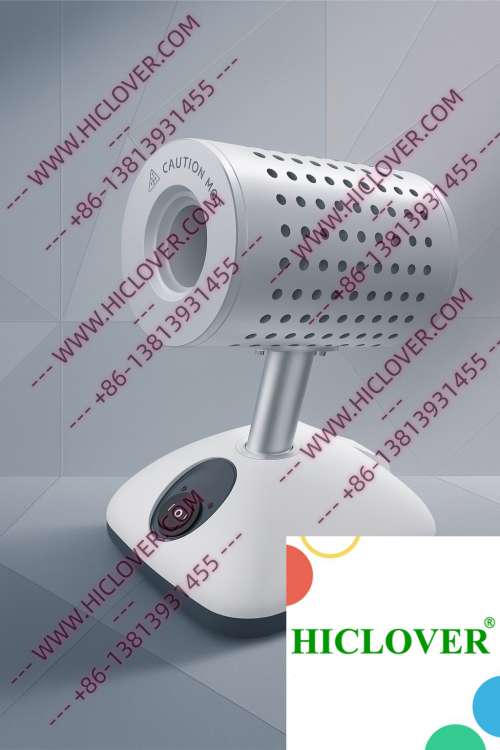
The Micro Incinerator utilizes rapid thermal sterilization technology, which harnesses infrared heat to achieve effective sterilization. This method involves the use of an enclosed ceramic tube that minimizes exposure to heat while maximizing heating efficiency. Unlike conventional alcohol lamps or Bunsen burners, which elevate temperatures through combustion, the infrared system produces concentrated, high-temperature disinfection in a safe, contained manner.
Upon activation, the ceramic heating chamber within the Micro Incinerator radiates targeted infrared wavelengths, allowing for rapid heating of inoculating loops, needles, and other metal implements. The result is a quick and reliable means to ensure the elimination of microbial contaminants without the risk of an open flame. This innovation not only enhances the sterilization process but also aligns with modern safety standards sought in high-regulation environments.
Real-World Applications
Application Scenario 1: University Teaching Labs
In university teaching labs, students often experiment with microbiological techniques, calling for reliable sterilization methods that diminish contamination risks. The Micro Incinerator fits perfectly in these settings, providing an aerosol-free handling environment. Students can confidently use the device to sterilize their inoculating loops between microbial culture transfers, ensuring that their results remain uncontaminated by external microorganisms.
Application Scenario 2: Clinical Diagnostics
In clinical diagnostic labs, the Micro Incinerator plays a crucial role in ensuring that samples are processed under stringent safety measures. Here, the device helps technicians achieving sterile conditions while working within biosafety cabinets. Its closed heating system provides technicians with increased safety by eliminating the risk of fires, burns, or aerosolized contaminants that can arise from traditional flame methods. Moreover, this burn-free sterilization technology favors operational efficiency, as technicians can sterilize tools quickly and move seamlessly between tasks.
Compliance and Environmental Considerations
Laboratory environments must adhere to stringent biosafety regulations to minimize health risks to personnel and the environment. The World Health Organization (WHO) outlines strict guidelines for laboratory sterilization, underscoring the importance of efficient contamination control measures. Implementing a Micro Incinerator not only aligns with WHO biosafety standards but also addresses specific requirements regarding the absence of open flames in clean rooms or controlled environments.
- No open flames reduce fire risk
- Lower emissions, contributing to a cleaner laboratory atmosphere
- Compliance with national and international sterilization standards
Moreover, the Micro Incinerator’s design emphasizes safety and efficiency, making it an excellent solution for mobile or field testing labs where controlled environments may not be feasible. With the device’s rapid thermal sterilization capabilities, it provides users with the peace of mind required to focus on research and diagnostics without the burden of contamination concerns.
Comparative Advantages Over Traditional Flame Sterilizers
| Feature | Micro Incinerator | Flame Sterilizers (Alcohol Lamps/Bunsen Burners) |
|---|---|---|
| Burn Risk | No | Yes |
| Rapid Heating | Yes | Variable |
| Aerosol-Free Handling | Yes | No |
| Environmental Emissions | Minimal | Higher |
| Portability | High | Limited |
Frequently Asked Questions (FAQs)
1. What are the main benefits of using a Micro Incinerator in a lab?
The primary benefits include rapid sterilization, reduced burn risks, and improved contamination control, making it ideal for various laboratory settings.
2. Can the Micro Incinerator be used in a biosafety cabinet?
Yes, the Micro Incinerator is designed for safe use in biosafety cabinets, providing a burn-free method of sterilization.
3. How does infrared sterilization compare to traditional methods in terms of efficiency?
Infrared sterilization offers faster heat-up times and minimizes the risk of aerosols, leading to a cleaner and more efficient sterilization process.
4. Are there specific regulations the Micro Incinerator complies with?
Yes, the device complies with WHO biosafety guidelines, national sterilization standards, and requirements for clean room operations.
5. Is the Micro Incinerator suitable for field testing?
Absolutely, its compact design and rapid sterilization capabilities make it an excellent choice for mobile or field laboratories.
Conclusion
As laboratories gear up for more significant challenges in contamination control, the Micro Incinerator stands out as a revolutionary tool. Its capabilities combine safety, efficiency, and compliance with the strictest sterilization standards, making it an ideal solution for various laboratory environments. Whether you are operating a university teaching lab, clinical diagnostics facility, or mobile testing unit, this infrared inoculating loop sterilizer can significantly enhance your sterilization workflow.
If you’re ready to upgrade your lab with cutting-edge sterilization technology, do not hesitate to reach out for inquiries and purchases. Your commitment to research and safety deserves nothing less than the best in sterilization equipment!
Categories:
Tags: